Introduction
Cupra, the performance-oriented arm of SEAT, has gained a loyal fan base among UK drivers who cherish the fusion of style, speed, and affordability. However, like any vehicle, Cupra cars come with their own set of reliability challenges. This comprehensive guide delves into the top Cupra reliability issues, offering insights and actionable tips to help current and potential owners maintain their vehicles effectively.
Whether you are new to the Cupra experience or a seasoned owner facing ongoing challenges, understanding these reliability concerns is essential. In the following sections, we will cover engine performance issues, electrical faults, suspension concerns, transmission problems, and various interior complaints commonly affecting Cupra owners. Additionally, we will provide maintenance tips to enhance your Cupra’s longevity and performance.
Understanding Cupra Cars and Their Popularity in the UK
A Brief History of Cupra Cars
Cupra began as a performance badge for SEAT, first debuting in 1985. Over the years, it evolved into a standalone brand in 2018, with a clear mission: to deliver high-performance vehicles rooted in thrilling driving experiences. As British drivers increasingly seek unique vehicles that offer dynamic performance without compromising style or practicality, Cupra has carved out a niche within the expanding performance car market.
The Appeal of Cupra Cars in the UK
Cupra models are well-regarded for their sporty looks, responsive handling, and powerful performance. Models like the Cupra Ateca and the Cupra Formentor have garnered acclaim for their mix of everyday usability and exhilarating driving experiences. While celebrated for their performance, reliability remains a concern for UK drivers who use their cars for both daily commutes and spirited drives.
Reliability Concerns for UK Drivers
With the rise in popularity of Cupra cars, understanding potential reliability issues is vital for ensuring satisfaction with vehicle ownership. Driver surveys often reveal that reliability concerns can negatively affect owner experiences and resale values. This blog aims to inform you about the most common reliability issues, enabling you to make informed decisions and safeguard your investment.
Common Cupra Reliability Issues
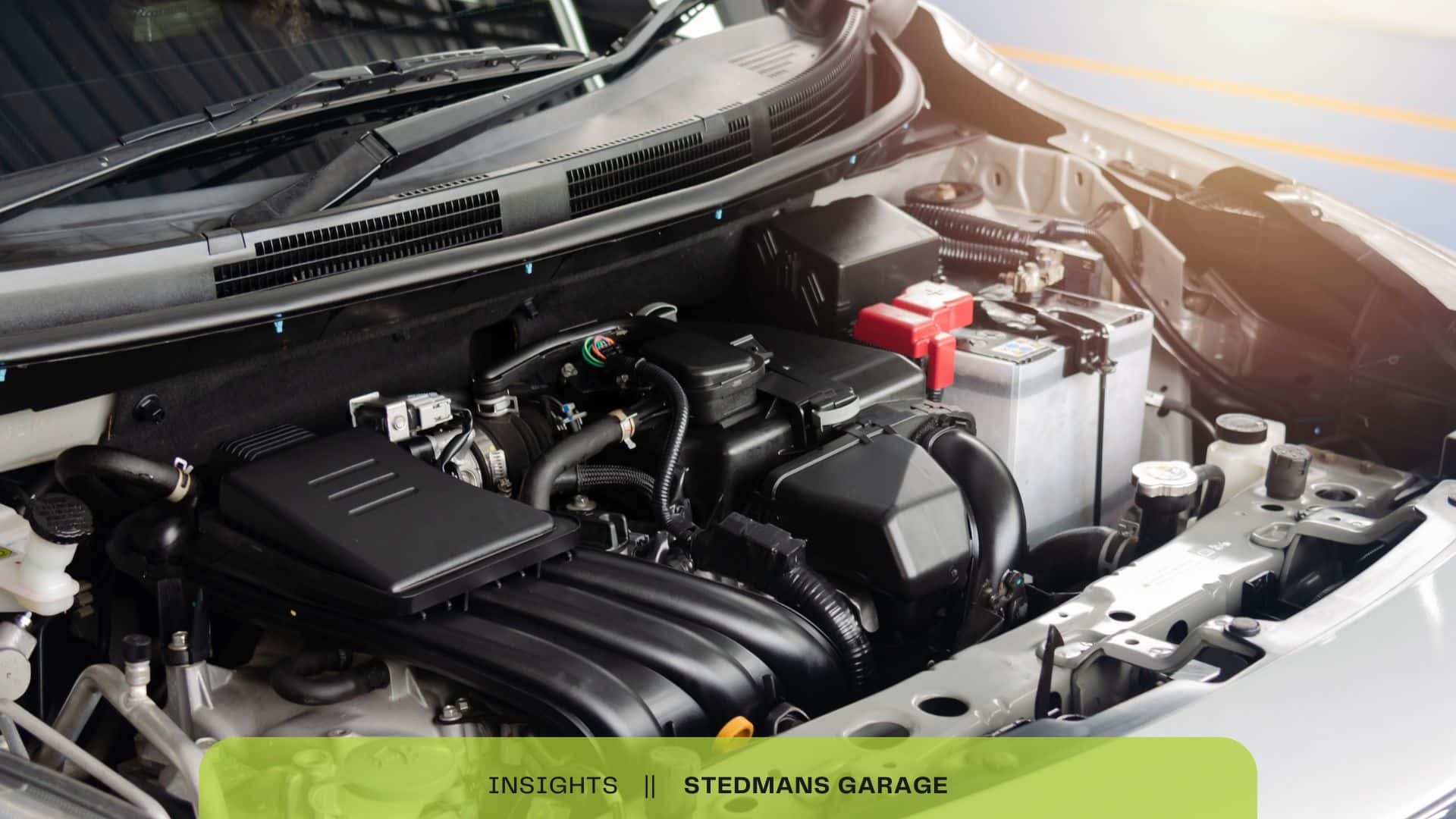
Engine Reliability: Common Problems and Solutions
Engine reliability is a critical facet of any vehicle, including Cupra cars. Here are some common issues reported by Cupra owners:
- Oil Leaks: A prevalent issue that can cause considerable anxiety for drivers. Detecting an oil leak early is essential as it can lead to severe engine damage. Regularly check your oil levels; if you notice a significant drop, consult a mechanic right away.
- Excessive Oil Consumption: Many Cupra engines tend to consume oil at a rate quicker than average. Regular oil checks can help identify this early, and using high-quality synthetic oil can mitigate some of this loss.
- Engine Misfires: Various Cupra models are prone to ignition coil failures that can result in engine misfires. Symptoms may include poor acceleration or uneven idling. Replacing ignition coils every 40,000 miles is advisable to avoid this issue.
Example and Potential Fixes
For instance, a Cupra Leon owner faced frequent activation of the engine warning light, which revealed a fault in the ignition coil after a diagnostic test. By replacing all four ignition coils, he resolved the issue and restored engine performance.
Electrical Faults: Symptoms and Resolutions
Electrical issues can range from minor annoyances to significant reliability concerns. Here are some common electrical problems in Cupra cars:
- Flickering Dashboard Lights: This could indicate a failing alternator or poor battery connections. Regular checks of the electrical system can help identify these issues before they worsen.
- Infotainment System Glitches: Many users report problems with the infotainment system, such as unresponsive screens or Bluetooth connectivity issues. Keeping your software updated can alleviate these problems.
Diagnosing Electrical Faults
To diagnose electrical issues, begin by inspecting your fuses and connections. If dashboard lights flicker, consider having a professional inspect the battery and alternator for potential faults.
Suspension and Handling Issues: What to Watch Out For
Cupra cars are widely praised for their sporty handling, but suspension problems can hinder that experience. Some common suspension complaints include:
- Worn Bushings: The bushings in the suspension system can wear out over time, leading to reduced performance and increased road noise. Regular inspections during servicing can help catch these issues early.
- Shock Absorber Failures: If you experience excessive bouncing or instability while driving, it may be time to check your shock absorbers. Signs of leakage may indicate that replacements are necessary.
Maintenance Tips
To mitigate suspension and handling issues, have your suspension system checked every 10,000 miles. Investing in high-quality aftermarket parts can also enhance durability and performance.
Transmission Concerns: Automatic vs Manual Issues
Transmission is crucial in any vehicle, and Cupra owners may experience concerns primarily related to:
- Automatic Transmission Jerking: Some owners report jerking sensations when shifting gears. This could indicate low transmission fluid levels or a need for software updates. Regular checks of fluid levels can prevent these issues.
- Clutch Wear in Manual Models: Manual Cupra models can experience premature clutch wear, especially if driven aggressively. Replacing your clutch at the first signs of slipping can save on repair costs in the long run.
Care and Maintenance Suggestions
For automatic transmission owners, consider changing your transmission fluid every two years. Manual drivers should adopt smoother driving techniques to prolong the life of their clutches.
Interior and Infotainment Problems: Reliability and User Experience
The quality of a vehicle’s interior significantly contributes to user satisfaction. Unfortunately, Cupra owners have reported several issues, including:
- Dashboard Quality Issues: Some users noted that soft-touch materials degrade quicker than expected. Regular cleaning and conditioning can help sustain these materials.
- Infotainment System Failures: As technology evolves, so do expectations. Many drivers express dissatisfaction with slow response times or system crashes in their infotainment units.
Maintaining In-Car Systems
To maintain your infotainment system, perform regular software updates via USB or dealership services. Monitoring touch sensitivity and responsiveness can help diagnose early signs of malfunction.
Factors Influencing Reliability in Cupra Models

Design and Engineering Choices
Reliability in Cupra cars is influenced by various factors, including design and engineering. Models like the Cupra Ateca have received high reliability ratings due to better build quality, while some older models may not have the same pedigree.
Model Comparisons
- Cupra Formentor: As a newer entrant, the Formentor has shown promising reliability, driven by modern engineering and technology.
- Cupra Leon: Older Leon models tend to have more reported reliability issues, particularly concerning their engine and electrical systems.
Cupra Maintenance Tips for Enhanced Reliability
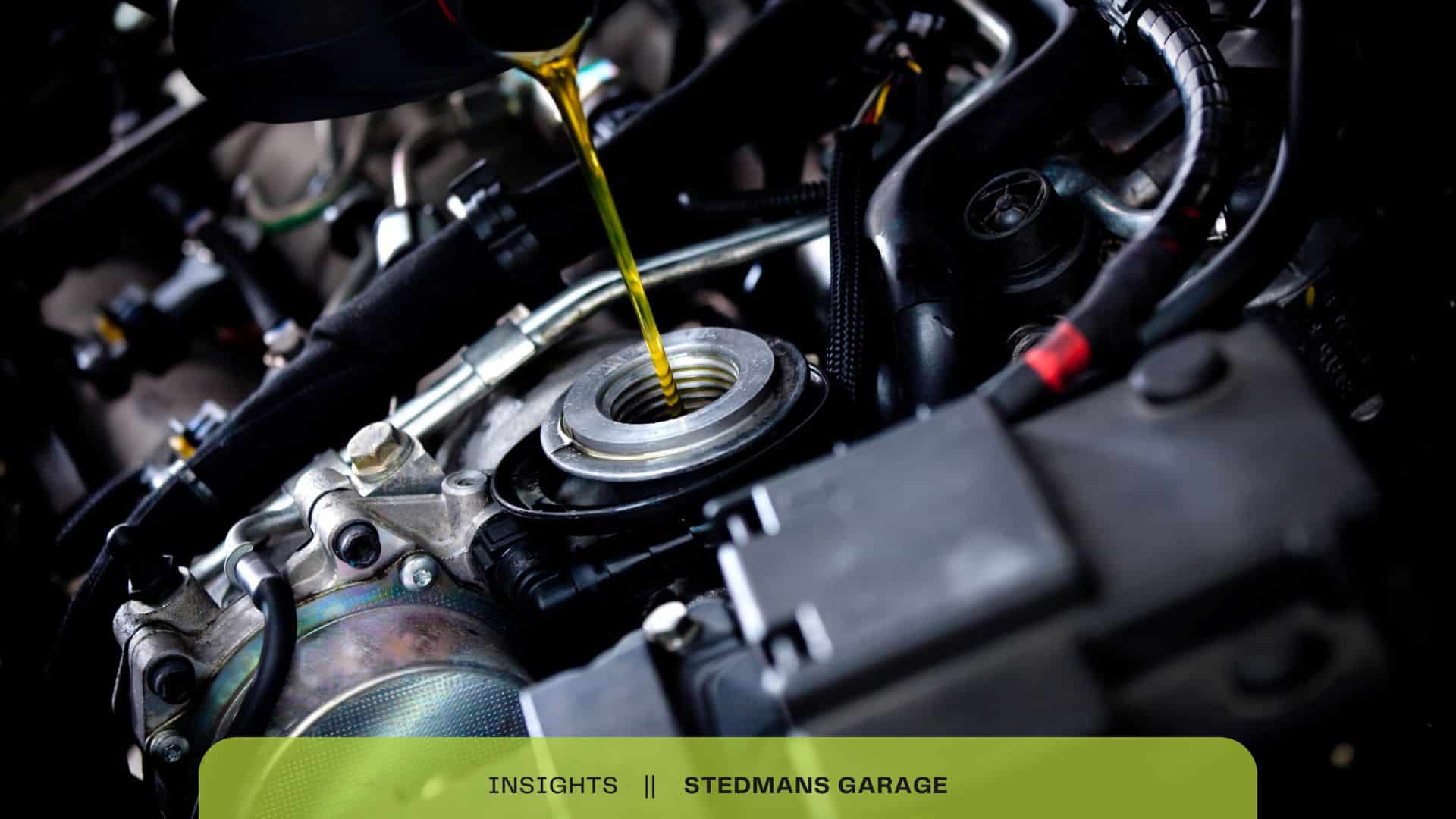
Proper maintenance can significantly enhance the reliability of your Cupra. Here are some practical tips:
- Regular Oil Changes: Always follow the manufacturer’s recommended intervals. High-performance engines often require more frequent oil changes.
- Check Fluids Regularly: In addition to oil, regularly check coolant, brake fluid, and transmission fluid levels. Low fluids can result in significant problems.
- Brake System Maintenance: Monitor the wear of brake pads and discs, replacing them before they cause damage to other brake components.
- Tire Checks: Ensure your tires are correctly inflated and have sufficient tread depth. This impacts safety and fuel efficiency.
- Comprehensive Diagnostic Checks: Seek a specialist mechanic for a thorough inspection once a year. They can catch problems you may overlook.
Actionable Tips Section
Here’s a step-by-step guide aimed at UK Cupra owners to help prevent common issues:
- Perform a Monthly Check: Inspect your vehicle’s oil level, coolant, and brake fluid.
- Flush the Transmission Fluid: Every two years, have your transmission fluid flushed and replaced to maintain smooth shifting.
- Schedule Regular Services: Stick to the recommended service schedule; a well-maintained Cupra is less likely to face reliability issues.
- Use Genuine Parts: When replacing components, opt for genuine Cupra parts or reputable aftermarket products to ensure compatibility and reliability.
- Learn Basic DIY Skills: Understand how to check tire pressure, replace wiper blades, and other minor maintenance tasks to save time and money.
Conclusion
To sum up, understanding the reliability issues associated with Cupra cars is crucial for both current owners and potential buyers. Being proactive about these concerns can significantly enhance your ownership experience. Whether it’s regular maintenance, timely repairs, or simply staying informed about common shortcomings, your efforts will pay off in performance and longevity.
Every automobile has its strengths and weaknesses, yet by being aware of these pitfalls and taking preventive measures, you can enjoy your Cupra confidently for many years to come.
Stay informed and empowered about your Cupra’s performance, start implementing these tips today!