Introduction to Dashboard Warning Lights
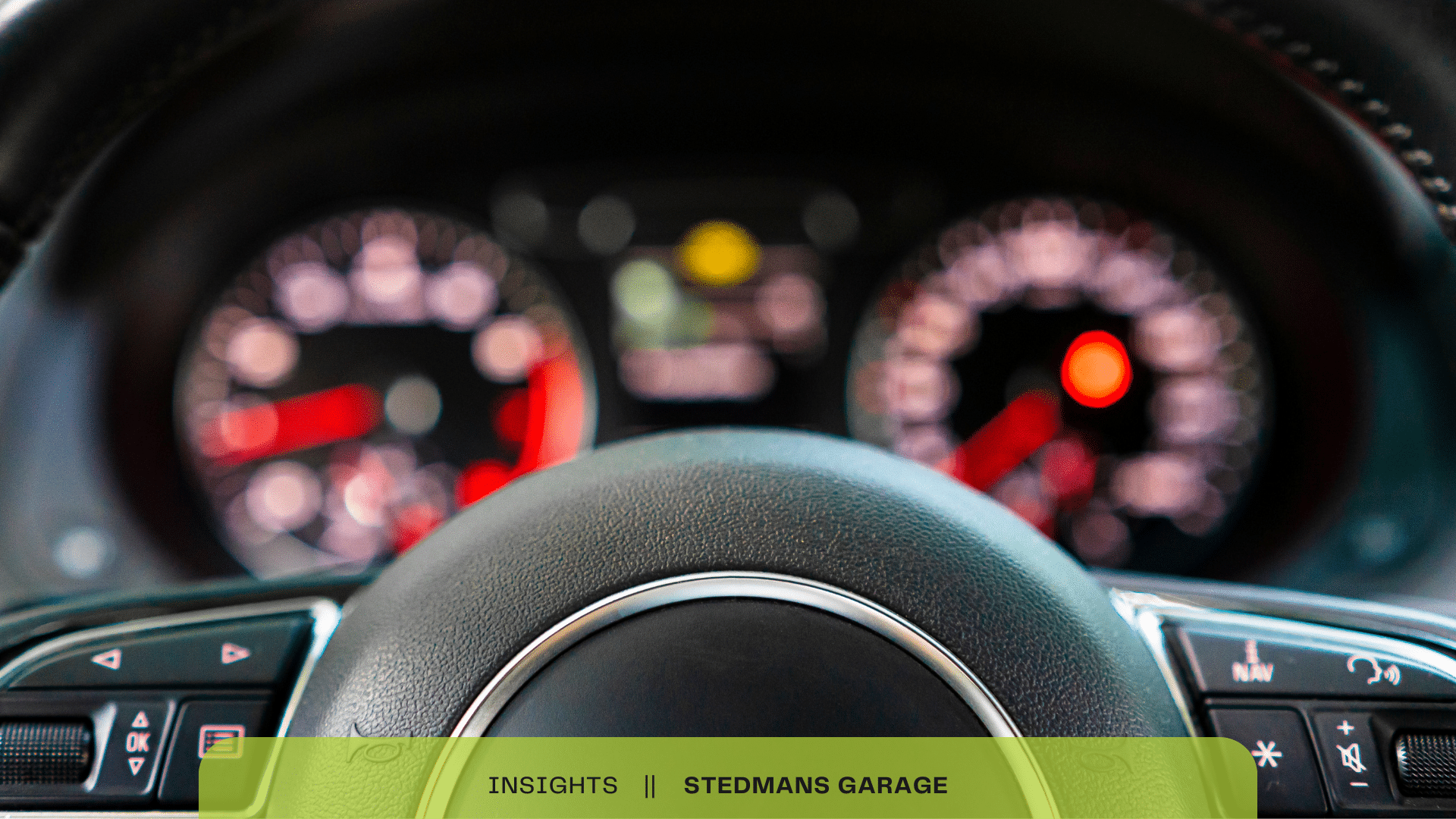
Your vehicle’s dashboard is more than just a display of speed and fuel levels; it is a vital communication tool that conveys critical information about the health and functionality of your car. Dashboard warning lights alert drivers to both minor and significant issues within the vehicle. These lights are your car’s way of signalling potential problems that may require immediate attention, scheduled maintenance, or simple actions like closing a door or fastening a seatbelt.
In this guide, we will walk you through the purpose of these lights, their meanings, and why it is crucial to understand and address them. Whether you need routine servicing, a diagnostic check, or an MOT in Worthing, knowing what these lights mean can help you maintain your car and avoid costly repairs.
Purpose of Dashboard Warning Lights
Dashboard lights serve one essential purpose: to alert drivers to potential issues. These issues can range from something as simple as a reminder to fasten your seatbelt to more serious problems like low oil pressure or engine overheating. The lights help you catch issues early before they escalate into more significant, often more expensive, problems.
Understanding these lights can make a big difference in how well your car performs over time. Ignoring them could result in breakdowns that not only affect your safety but also lead to costly repairs. When your dashboard lights up, it’s your car’s way of asking for help, and responding promptly can save you time, money, and stress in the long run.
Types of Warning Lights: Red, Amber, Green
Dashboard warning lights are categorised into three primary colours: red, amber (or orange), and green. Each colour has a specific meaning and level of urgency associated with it. Let’s take a closer look at what each colour signifies.
Red Lights: Immediate Attention Required
Red warning lights indicate a serious issue that requires immediate attention. When a red light illuminates, it means your car has a problem that could compromise safety or cause severe damage if not addressed promptly. For example, a red oil pressure warning light suggests that your engine’s oil pressure is critically low, demanding immediate action to avoid engine damage.
If you see a red light, it’s critical to stop driving as soon as it’s safe and address the issue. Ignoring these warnings can result in significant damage to your vehicle. For instance, if your brake warning light is red, it could mean there’s an issue with your brake fluid, or worse, your braking system. If you’re not sure what the issue is, it’s always best to schedule a visit to a car diagnostics service immediately.
Amber/Orange Lights: Service Needed Soon
Amber or orange lights signify a less critical issue, but one that still needs attention soon. These signals serve as advisories, suggesting that you should address the underlying issue at your earliest convenience to prevent it from escalating. A common example is the check engine light, which can indicate various potential issues, some minor but needing timely resolution nonetheless.
While amber lights don’t typically require you to stop driving, they should not be ignored for long. Delaying service can lead to more significant issues down the road. Consider booking an interim or full car service to tackle these problems before they become serious.
Green Lights: System Operating Normally
Green lights generally indicate that the system they represent is operational and functioning normally. They offer reassurance that certain functions, like cruise control or headlights, are active. While these lights usually don’t require any action, they serve as useful reminders during your drive.
Importance of Understanding Warning Light Meanings
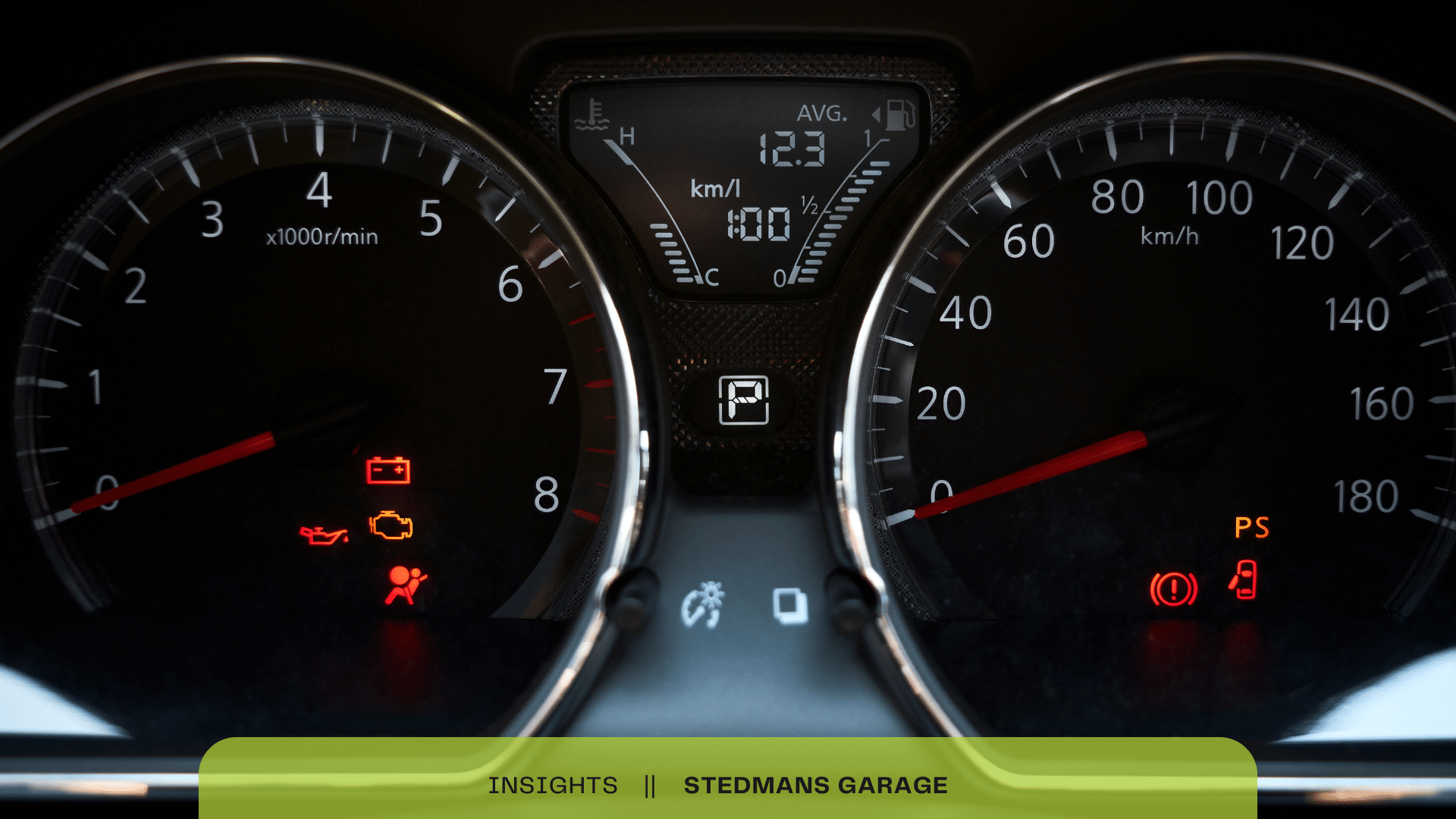
Understanding the meanings of dashboard warning lights is critical for maintaining your vehicle’s health and safety on the road. Ignoring these alerts can lead to more significant problems, costly repairs, or even dangerous driving conditions. Many drivers are not familiar with the meanings of these lights, which can lead to inadvertent neglect of issues that could have been easily resolved.
For instance, ignoring a low oil pressure warning light could lead to severe engine damage due to insufficient lubrication. Similarly, the engine temperature warning light might signal overheating, which can cause irreparable damage to your engine if not addressed immediately.
By becoming familiar with your dashboard lights and their specific meanings, you can take action promptly, ensuring your safety and prolonging the lifespan of your vehicle. Stedmans Garage offers a variety of services, including diagnostics and vehicle repairs to help you keep your car in top shape.
Common Dashboard Warning Lights
Let’s dive into some of the most common dashboard warning lights and what they mean for your vehicle.
1. Check Engine Light
The check engine light, often depicted as a silhouetted engine, is a critical notification from your car’s engine computer. It indicates something is amiss within the vehicle’s motor or emissions system. Causes for the check engine light can range from minor issues, such as a faulty gas cap, to more serious problems like a misfiring engine. Ignoring this warning can lead to diminished fuel efficiency, performance, and potential engine damage. In such cases, it’s essential to bring your vehicle to a qualified service centre for diagnosis and repair.
2. Tire Pressure Warning Light
The tire pressure warning light, part of the Tire Pressure Monitoring System (TPMS), alerts you when tire pressure is too low, posing unsafe driving conditions. This light usually appears as a cross-section of a tire with an exclamation point. Low tire pressure leads to increased wear and risks of tire failure. Various factors can trigger this light, such as a tire puncture, temperature changes, or sensor malfunction. It is advisable to check your tires and, if necessary, consult a technician for further diagnosis.
3. Brake System Warning Light
When the brake system warning light illuminates, your car is signalling either low brake fluid, an engaged parking brake, a problem with the Anti-lock Braking System (ABS), or an issue within the sensors. This light typically indicates urgent attention since braking efficiency is paramount for safety. Often symbolised by the word “BRAKE” or an exclamation point inside a circle, it’s crucial to check if the parking brake is fully disengaged first. If the light remains on, seeking professional service is necessary to evaluate and remedy the root cause.
Understanding Warning Light Colours
Dashboard warning lights are integral for vehicle safety and maintenance. Understanding their colours—red, amber/orange, and green—is crucial for interpreting the urgency of each warning and responding appropriately.
Red Lights: Immediate Attention Required
Red dashboard lights indicate serious issues that demand immediate attention. These warnings signify critical system failures or safety concerns that could jeopardise your vehicle’s functionality or safety. Common red warning lights include the engine temperature warning, oil pressure warning, and brake system warning.
When a red light illuminates, it’s imperative to act promptly. For instance, if the oil pressure warning lights up, your engine may not be receiving adequate lubrication, which could lead to catastrophic engine damage. Similarly, the engine temperature warning suggests overheating, necessitating an immediate pull-over to avoid severe engine damage. Ignoring red lights can result in significant repair costs and safety hazards.
Amber/Orange Lights: Service Needed Soon
Amber or orange warning lights signal that something needs attention soon but isn’t an immediate threat. These lights often relate to the vehicle’s emissions control system, brake wear, or minor engine issues. For example, the check engine light, which is usually amber, can indicate a range of issues from a loose fuel cap to problems with the catalytic converter.
While not as urgent as red lights, amber warnings shouldn’t be ignored. Delaying service can lead to more severe issues and costly repairs. It’s advisable to schedule a service appointment soon after an amber light appears and consult a mechanic to diagnose the issue.
Critical Warning Lights

Engine Temperature Warning Light
The engine temperature warning light signals a significant hazard: engine overheating. When this light illuminates in red, it indicates that your vehicle’s coolant temperature is exceedingly high. Overheating can be caused by a variety of factors such as a malfunctioning cooling system, low coolant levels, a faulty thermostat, or a failing water pump. If this light turns on, it’s crucial to pull over immediately and turn off the engine for at least 20 minutes to cool down.
Driving an overheated vehicle can result in severe engine damage. It’s advisable to inspect the coolant level and condition, and if the issue persists, seek professional assistance to diagnose and rectify the underlying problem.
Oil Pressure Warning Light
The oil pressure warning light resembles an oil can and signifies a drop in oil pressure. This is an urgent issue because low oil pressure means insufficient lubrication for the engine. The engine requires continuous lubrication to prevent metal components from grinding against each other, which could lead to engine damage or total failure.
If this light comes on, stop driving as soon as it’s safe and check the oil level. If the oil level is low, add oil and see if the light turns off. However, if the light persists, it might be due to other issues such as a clogged oil filter, a faulty oil pump, or an oil pressure sensor malfunction. Continuing to drive with low oil pressure can result in catastrophic engine damage.
Battery Charge Warning Light
The battery charge warning light, shaped like a battery, indicates a problem with the car’s electrical system. This could signify a failing battery, a faulty alternator, or loose and corroded battery connections. When this light illuminates, it’s essential to reduce electrical load by turning off non-essential accessories and head to a mechanic promptly. The alternator might not be charging the battery properly, leading to a potential breakdown.
Ignoring this light can result in the battery draining completely, leaving you stranded. It is important to diagnose and address any issues related to the charging system to avoid such inconvenient situations.
Responding to Dashboard Warnings
When to Pull Over Immediately
Red dashboard lights signify urgent issues. If you see a red light like the oil pressure or engine temperature warning, pull over as soon as it’s safe. Continuing to drive can cause severe damage or lead to dangerous situations. For example, a red oil pressure light may indicate insufficient oil, which can destroy your engine due to lack of lubrication. Similarly, a red engine temperature light points to potential cooling system failures that could cause overheating.
Other immediate pull-over scenarios include unusual sights like smoke or flames. If you see steam from your hood, it likely means your coolant is boiling. In such cases, pull over, turn off the car, and call a mechanic. Extreme situations like flames under the hood necessitate pulling over, exiting the car, and calling emergency services.
When It’s Safe to Continue Driving
Amber or yellow warning lights don’t require immediate stoppage but do need prompt attention. If you encounter, for instance, a yellow check engine light, it indicates an issue that should be checked soon but isn’t an immediate risk. Likewise, a tire pressure warning allows you to continue to your destination safely but necessitates a visit to a mechanic at your earliest convenience.
Additionally, minor alerts like a sensor error might not immediately jeopardise your safety. Still, ignoring them can lead to significant problems over time.
Importance of Consulting the Owner’s Manual
Understanding your vehicle’s specific warning lights is best achieved through consulting the owner’s manual. This guide can provide detailed interpretations of each alert and recommend appropriate actions. The manual outlines safety instructions, essential for knowing when to pull over or seek immediate help.
Moreover, the manual includes valuable maintenance schedules and troubleshooting tips, enabling you to address issues before they escalate. Being familiar with its content can enhance your response to dashboard warnings and ensure your safety.
Multiple Warning Lights
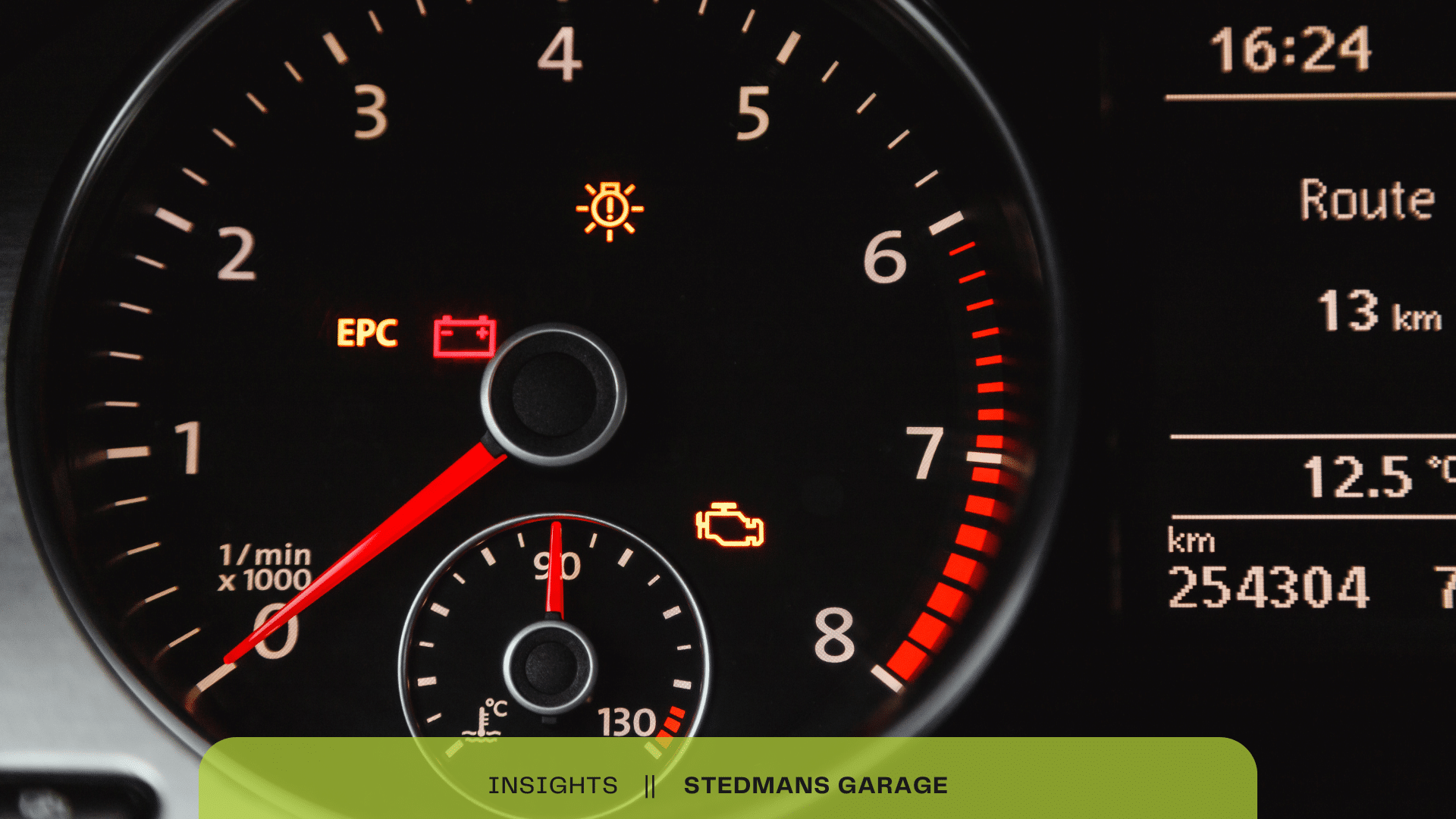
When multiple dashboard warning lights activate simultaneously, it often signals a broader issue that needs attention. The main culprits are usually related to the car’s electrical system, which encompasses several integral components such as the alternator and battery.
Potential Causes of Multiple Lights Activating
One of the most common reasons for multiple warning lights illuminating at once is a problem with the alternator or battery. When the alternator fails, it can no longer charge the battery efficiently, leading to low voltage. This low voltage can create a myriad of electrical problems, thereby causing multiple warning lights to activate.
A failing battery has a similar impact. As the electrical power drops, it can confuse the car’s computer systems, triggering various diagnostic codes and warning lights. For example, you might see lights for the airbag, ABS, and check engine all at once.
Common Issues Like Alternator or Battery Problems
Beyond alternator and battery failures, other electrical issues can also lead to multiple warning lights. For instance:
- Faulty Wiring: Poor or corroded connections can disrupt the electrical flow, leading the vehicle’s computer to register multiple faults. This can cause warning lights to illuminate erratically.
- Transmission and Electrical Faults: Problems with the transmission control system or other significant electrical systems can trigger the dashboard to light up with multiple warnings. These issues often require precise diagnostic tools to identify and correct.
Importance of Professional Diagnosis
Given the complexity involved in diagnosing multiple warning lights, consulting a professional mechanic is crucial. While basic diagnostic tools may help in reading fault codes, a seasoned professional can interpret these readings accurately and identify underlying issues quickly. Ignoring these warning signals can lead to severe consequences, including sudden vehicle breakdowns or more extensive and expensive repairs down the line.
Professional diagnosis not only addresses the immediate problem but also provides preventive insights, ensuring your vehicle’s systems remain in prime condition. Ensuring timely professional intervention can safeguard your car’s longevity, ensuring it performs optimally and safely on the road.
Maintenance and Prevention
Regular Vehicle Check-ups
Regular check-ups for your vehicle are crucial in ensuring its longevity and performance. Routine maintenance tasks such as oil changes, tire rotations, and fluid checks are fundamental. These tasks help in identifying potential problems early, preventing minor issues from escalating into major ones. This also ensures that your vehicle operates efficiently, enhancing overall performance and fuel economy.
Regular maintenance is the key to preventing costly repairs. At Stedmans Garage, we offer comprehensive services like MOT testing, air conditioning repair, and vehicle diagnostics to help you keep your car running smoothly.
Addressing Minor Issues Before They Escalate
Ignoring small problems can lead to severe consequences. Addressing minor issues promptly not only avoids expensive repairs but also prevents potential hazards. For instance, a small crack in a belt or a low fluid level might seem insignificant but can lead to major failures if not corrected timely. Regular inspections allow for the early detection of such minor defects, which can be addressed with minimal cost and effort.
Similarly, monitoring warning lights and responding accordingly can prevent minor faults from becoming critical. For example, ignoring a tire pressure warning might result in a blowout, whereas attending to it immediately ensures continued safety and better fuel efficiency. Thus, it’s imperative to heed these alerts consistently.
Importance of Not Ignoring Warning Lights
Dashboard warning lights are not mere suggestions; they are vital indicators of your vehicle’s health. Ignoring these lights can lead to severe damage and costly repairs. For instance, overlooking a “Check Engine” light could result in significant engine problems, potentially leading to a complete breakdown.
Moreover, ignoring warning lights can compromise your safety. Faults in critical systems such as brakes or airbags can endanger the driver, passengers, and others on the road. Addressing these warnings promptly not only enhances your vehicle’s reliability but also ensures the safety of all road users.
Conclusion

The Significance of Understanding Dashboard Warning Lights
Dashboard warning lights are critical indicators of your vehicle’s health and safety. Each light serves a specific purpose, alerting you to various aspects of your car that may require attention. By mastering the meanings of these lights, you can prevent minor issues from escalating into major problems. This understanding facilitates prompt and appropriate responses, ensuring both your safety and the longevity of your vehicle.
Addressing Issues Promptly
Promptly addressing dashboard warning lights cannot be overstated. Ignoring these alerts can lead to severe consequences, including mechanical failures and costly repairs. Whether it is a red light signalling immediate action or an amber light advising timely service, paying attention to these warnings is crucial. Regular check-ups and early intervention can help maintain your vehicle’s optimal performance.
Safety First
One of the foremost benefits of heeding dashboard warnings is enhanced safety. These lights are your vehicle’s way of communicating issues that, if left unchecked, can compromise both your safety and that of others on the road. For instance, an unattended brake system warning light can lead to brake failure, posing serious risks. By addressing these alerts promptly, you not only ensure your own safety but also contribute to safer driving conditions for everyone.
In conclusion, dashboard warning lights are more than just illuminations on your car’s dashboard; they are vital indicators that demand your attention and action. Ignoring them can lead to severe, costly consequences. Embracing a proactive approach to vehicle maintenance by promptly addressing these warnings enhances your vehicle’s durability and ensures a safer driving experience for all.