Introduction
In today’s technologically advanced automotive landscape, understanding electrical faults and dashboard errors is crucial for both car owners and automotive professionals. The BMW F10 and F30 Series, popular for their performance and luxurious features, are no exceptions. Maintaining these vehicles involves not only routine maintenance but also an awareness of the common electrical issues that can arise over time. This blog post aims to explore the intricacies of the F10 and F30 Series, detailing the prevalent electrical faults and dashboard errors that owners may encounter.
By the end of this article, readers will gain insights into diagnosing common electrical faults, understanding dashboard errors, and troubleshooting effectively to keep their vehicles in optimal condition. Whether you’re a seasoned automotive professional or a car owner seeking to enhance your knowledge, this guide will equip you with the necessary tools to tackle BMW electrical issues confidently.
Overview of the F10 and F30 Series

The F10 and F30 Series represent two of BMW’s most significant offerings in the premium sedan and compact executive car markets, respectively. Launched in 2010 (F10) and 2012 (F30), these models have been widely embraced in the UK for their blend of performance, elegance, and advanced technology.
Significance in the UK Market
The F10 Series, known as the 5 Series, has been a staple in the executive car segment, appealing to professionals and families alike for its spacious interior and robust performance. The F30 Series, or 3 Series, is often regarded as the quintessential compact executive car, celebrated for its agility and driving dynamics.
Both series feature cutting-edge technology, including advanced onboard diagnostics, which help monitor various systems within the vehicle. However, as with any complex machinery, they are not without their electrical faults. Understanding these issues is essential for maintaining the longevity and reliability of these vehicles.
Common Electrical Faults in F10 and F30 Series
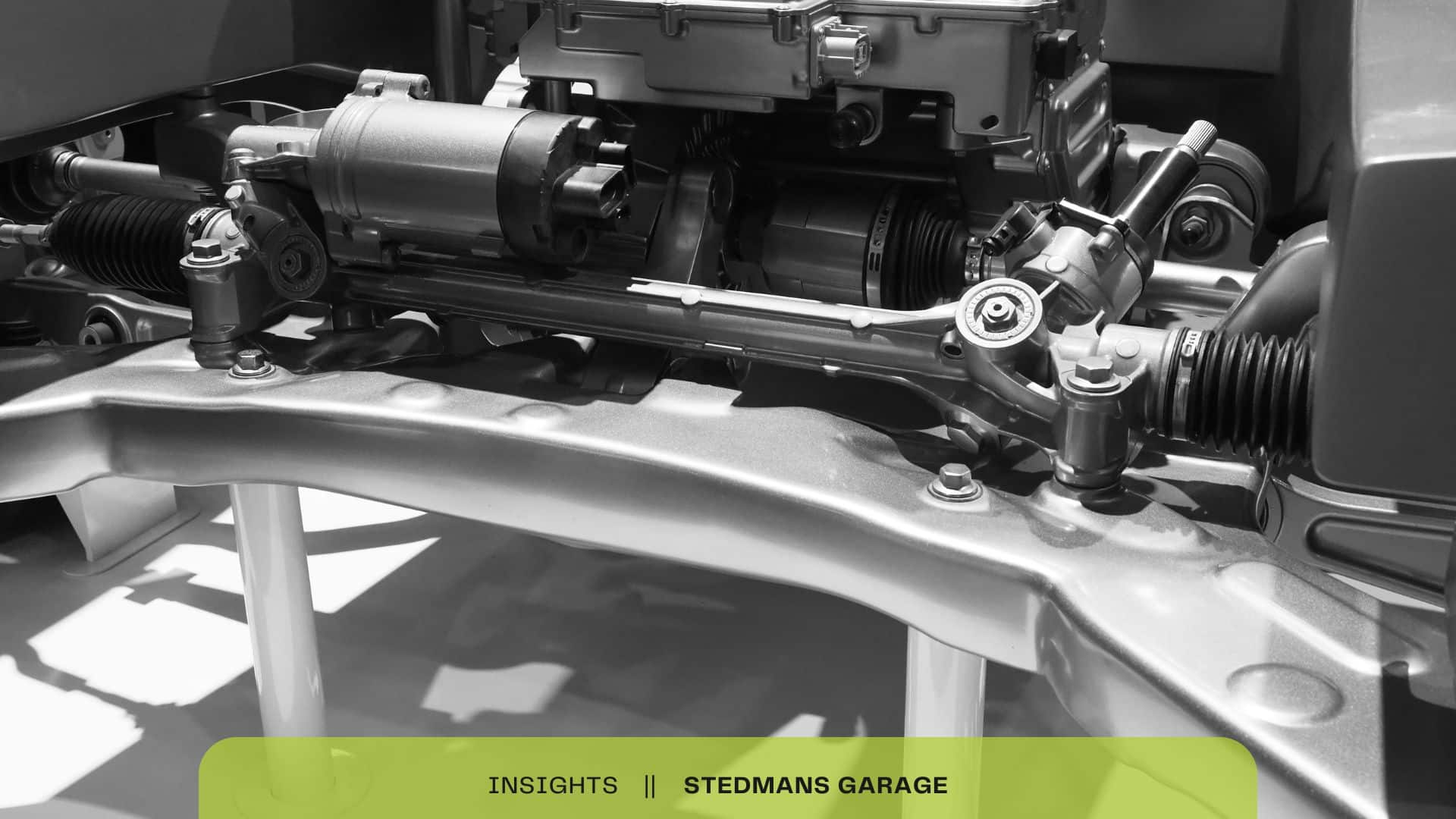
As with many modern vehicles, the F10 and F30 Series are prone to various electrical faults that can compromise performance and safety. Here, we will delve into the most common electrical issues, providing practical examples to illustrate their impact on vehicle operation.
Faulty Sensors and Their Impact
Understanding Sensors in BMW Vehicles
Sensors play a critical role in the functioning of modern vehicles, including the F10 and F30 Series. They monitor various parameters such as engine temperature, air-fuel mixture, and vehicle speed, feeding this information to the engine control unit (ECU). When these sensors malfunction, it can lead to significant performance issues.
Common Sensor Failures
- Mass Air Flow (MAF) Sensor: A faulty MAF sensor can cause poor engine performance, reduced fuel efficiency, and increased emissions. Symptoms may include rough idling and stalling.
- Oxygen Sensors: These sensors monitor the exhaust gases to ensure the engine runs efficiently. A failing oxygen sensor can trigger the check engine light and result in increased fuel consumption.
- Coolant Temperature Sensor: If this sensor fails, it can lead to overheating or poor engine performance. Drivers may notice fluctuating temperature readings on the dashboard.
Potential Causes
Faulty sensors may stem from various causes, including wear and tear, exposure to extreme temperatures, or contamination from oil or coolant leaks.
Wiring Issues and Short Circuits
Typical Wiring Problems
Wiring issues are another common electrical fault in the F10 and F30 Series. The intricate wiring harnesses in these vehicles can suffer from wear, corrosion, or damage due to environmental factors.
Examples of Wiring Faults
- Short Circuits: A short circuit can occur when wires come into contact with each other or with metal components. This can lead to blown fuses, malfunctioning lights, or even the complete failure of electrical systems.
- Corrosion: Corroded wiring connectors can cause intermittent electrical faults, resulting in erratic behaviour of dashboard components or failure of critical systems like the ABS or traction control.
Impact on Dashboard Errors
Wiring faults often manifest as dashboard errors, such as warning lights that remain illuminated without a clear cause. Addressing these issues promptly is crucial to prevent further damage.
Battery and Charging System Problems
Signs of Battery Failure
The battery and charging system of the F10 and F30 Series are vital for starting the engine and powering electrical components. Common signs of battery failure include:
- Slow Engine Crank: Difficulty starting the engine, especially in cold weather.
- Dimming Lights: Headlights that dim when the engine is idling or under load.
- Check Battery Light: An illuminated battery warning light on the dashboard.
Charging System Issues
Charging system problems can also arise, particularly in older models. Symptoms include:
- Frequent Jump Starts: Needing to jump-start the vehicle often indicates a failing battery or alternator.
- Battery Drain: If the battery dies quickly, it may be due to a malfunctioning alternator not charging the battery adequately.
Practical Examples
- F10 Series Example: A BMW 520d owner might experience intermittent starting issues due to a failing battery, which can lead to frustration and unexpected delays.
- F30 Series Example: An F30 330i owner may notice the dashboard flickering as the alternator struggles to keep the battery charged, leading to potential breakdowns.
Dashboard Errors: What Do They Mean?
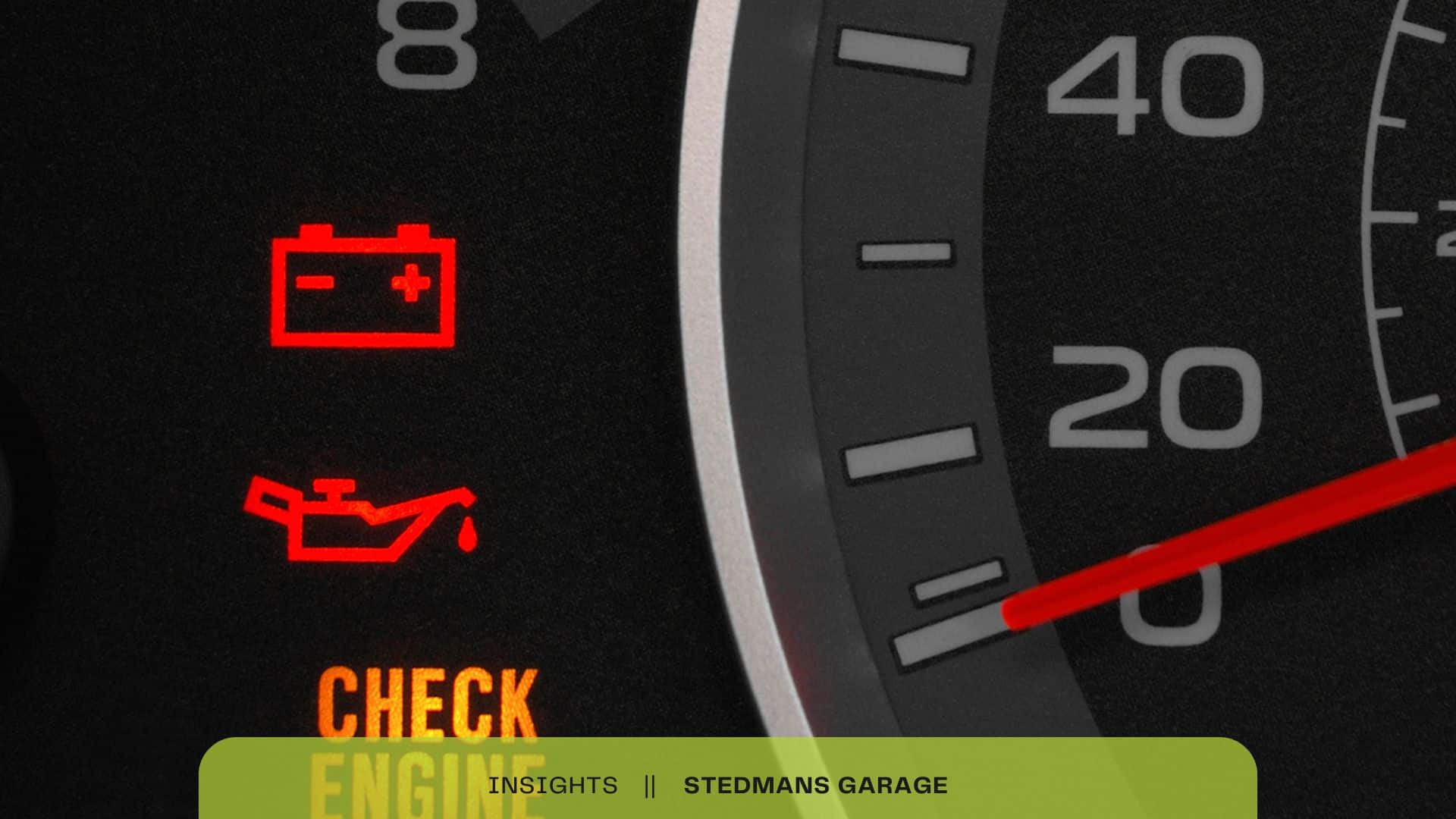
Understanding dashboard errors is essential for diagnosing issues in the F10 and F30 Series. The dashboard serves as the vehicle’s communication hub, alerting drivers to potential problems.
Understanding Warning Lights and Messages
Common Dashboard Warning Lights
Both the F10 and F30 Series are equipped with a variety of dashboard warning lights. Common ones include:
- Check Engine Light: Indicates a problem with the engine or emissions system.
- Battery Warning Light: Signals an issue with the battery or charging system.
- ABS Warning Light: Indicates a fault in the anti-lock braking system.
Actions to Take
When a warning light illuminates, it’s important to take action:
- Check Engine Light: Use an OBD-II scanner to retrieve diagnostic trouble codes (DTCs) and determine the underlying issue.
- Battery Warning Light: Inspect the battery and charging system, and consider having a professional check the electrical system.
- ABS Warning Light: A prompt diagnosis is necessary to ensure the safety of the braking system.
Diagnostic Trouble Codes (DTCs)
How DTCs Assist in Diagnosis
DTCs are alphanumeric codes generated by the vehicle’s ECU when it detects a fault. They are essential for diagnosing electrical issues in the F10 and F30 Series.
Examples of Common DTCs
- P0420: Catalyst System Efficiency Below Threshold – Indicates a potential issue with the catalytic converter or O2 sensors.
- P0300: Random/Multiple Cylinder Misfire Detected – Could be due to faulty spark plugs, ignition coils, or fuel delivery issues.
Understanding these codes allows for efficient troubleshooting and targeted repairs.
Troubleshooting Electrical Faults in F10 and F30 Series
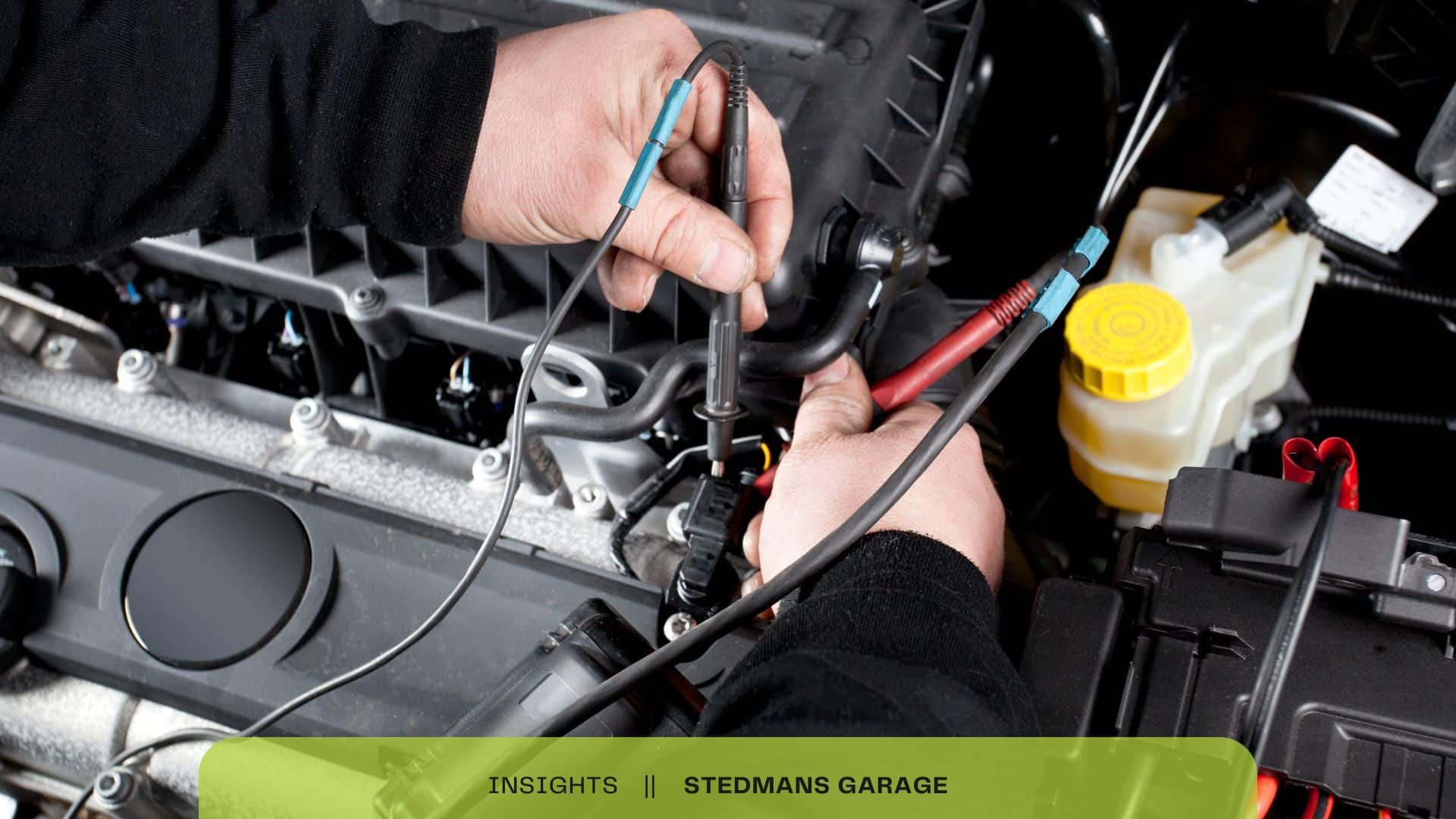
Diagnosing electrical issues can be daunting, but following a systematic approach can simplify the process. Here’s a step-by-step guide to troubleshooting electrical faults in these models.
Step-by-Step Diagnosis
- Start with the Basics: Check the battery voltage using a multimeter. A healthy battery should read around 12.6 volts when fully charged.
- Inspect Fuses: Look for blown fuses that could indicate a short circuit or overload in the system. Consult the owner’s manual for fuse locations and ratings.
- Use Diagnostic Tools: An OBD-II scanner can provide valuable information by retrieving DTCs. This step is crucial for pinpointing the exact problem.
- Visual Inspection: Examine wiring harnesses for signs of wear, corrosion, or damage. Pay particular attention to connectors and junctions.
- Test Components: If specific sensors or components are suspected, use a multimeter to check their functionality. For example, testing a MAF sensor involves measuring voltage and resistance.
- Consult Service Manuals: For more complex issues, refer to BMW service manuals or technical bulletins for detailed troubleshooting procedures.
Tips for Using Diagnostic Tools
- Invest in a high-quality OBD-II scanner that can read manufacturer-specific codes for BMW vehicles.
- Familiarise yourself with the common DTCs associated with the F10 and F30 Series.
- Keep a log of any warning lights or performance issues to provide context during diagnostics.
Actionable Tips for Car Owners
In addition to understanding common electrical faults and dashboard errors, here are some practical tips for car owners to help maintain their F10 and F30 Series vehicles:
- Regularly Check Battery Health: Use a multimeter to monitor battery voltage and inspect connections for corrosion.
- Keep Software Updated: Periodically check for software updates from BMW, as these can resolve known electrical issues.
- Perform Regular Visual Inspections: Check wiring and connectors for wear or damage, particularly in high-moisture areas.
- Be Proactive with Dashboard Warnings: Don’t ignore warning lights; investigate promptly to prevent further damage.
- Consider Professional Help: If diagnosing a fault is beyond your expertise, consult a BMW specialist for accurate diagnosis and repair.
Conclusion
Understanding the common electrical faults and dashboard errors in the F10 and F30 Series is vital for maintaining these exceptional vehicles. By being aware of potential issues and taking proactive measures, car owners can ensure their vehicles operate smoothly and reliably.
Regular maintenance, prompt diagnosis, and timely repairs can save drivers from costly breakdowns and enhance the overall driving experience. Start monitoring your vehicle’s electrical systems today, and don’t hesitate to seek professional help when needed.