Introduction
For Range Rover owners and automotive enthusiasts in West Sussex, efficiently addressing electrical faults is essential for optimal vehicle performance. The blend of performance and comfort that defines a Range Rover can often be disrupted by electrical issues, making it important to identify and resolve these common faults. By understanding the electrical systems and their complexities, particularly in West Sussex, you can significantly enhance your driving experience.
This blog aims to guide Range Rover owners through the common electrical faults that may arise, especially in the West Sussex climate. Timely recognition and resolution of these issues can prevent more serious complications, ensuring that your vehicle operates at its best. We’ll explore the intricacies of electrical systems, common problems, troubleshooting methods, and weigh the benefits of DIY solutions against professional repairs, all while considering the unique environmental elements of West Sussex.
Overview of Range Rover Electrical Systems
Importance of Electrical Systems in Modern Vehicles
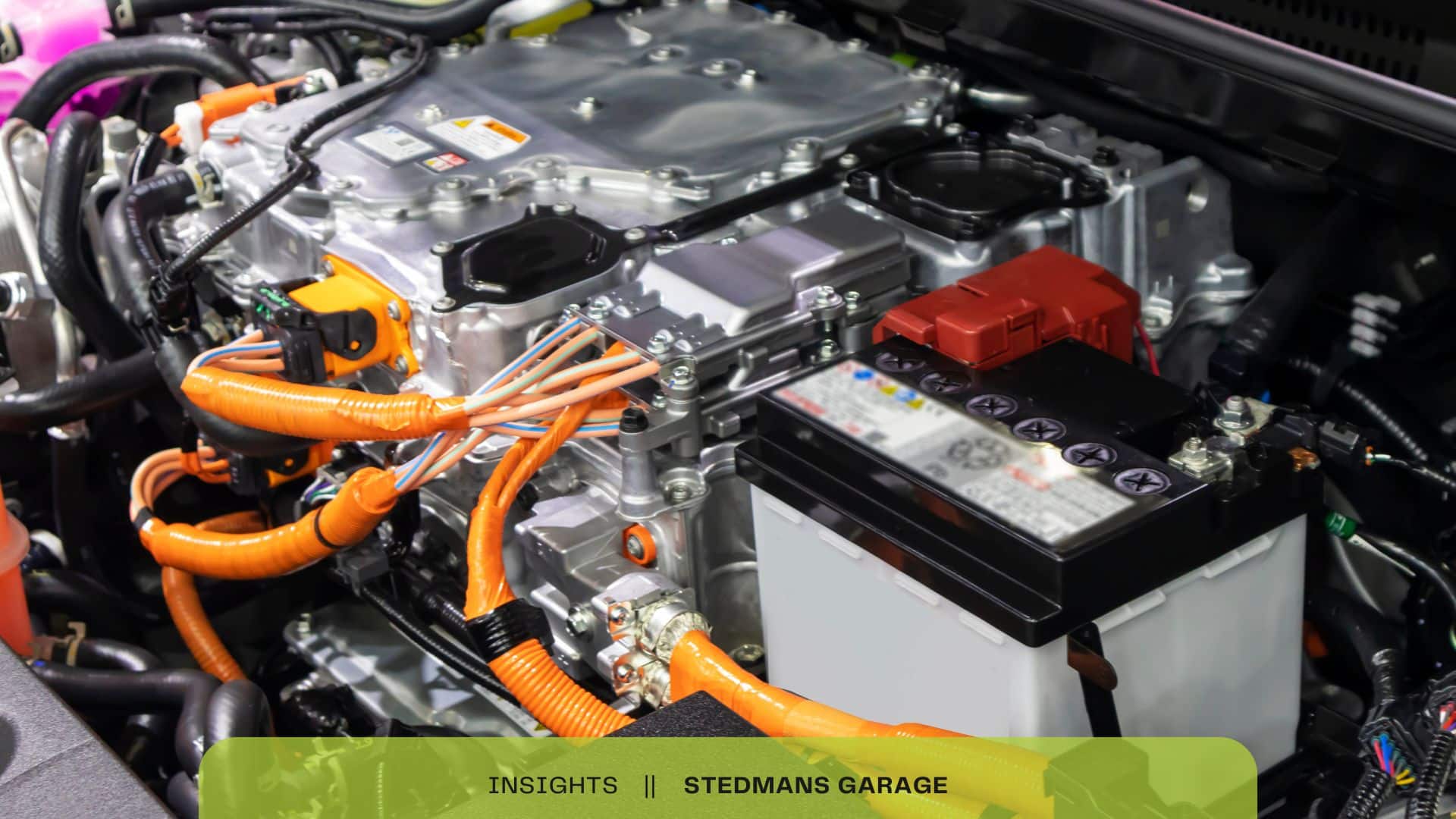
The electrical systems in modern vehicles, including Range Rovers, are critical to their functionality. These systems govern a range of operations, from starting the engine to regulating climate control, illuminating dashboard indicators, and powering entertainment features. Essentially, they enable efficient communication between various components, enhancing the overall driving experience.
In Range Rovers, electrical systems are vital for traditional functions and advanced features such as adaptive cruise control, automated parking, and various driver assistance technologies. Understanding these systems is essential for diagnosing potential issues that may arise.
Common Electrical Faults Found in Range Rovers
Despite their reputation for reliability, Range Rovers can still exhibit electrical faults. Here are some of the most common issues:
- Battery Problems: Frequent dead batteries or poor battery performance can be linked to faulty alternators or battery management systems.
- Symptoms: Dimming lights, slow engine crank, or a failure in electronic components.
- Faulty Wiring: Electrical connections can degrade over time, especially in moisture-prone environments.
- Symptoms: Intermittent electrical failures, where certain features may function while others do not.
- Electrical Short Circuits: Shorts often occur due to improper connections, frayed wires, or corroded terminals.
- Symptoms: Blown fuses and occasionally an inability to start the vehicle.
Identifying these faults early can save owners considerable time and money on repairs, making it vital to understand their symptoms and implications.
Common Electrical Issues Experienced by Range Rover Owners in West Sussex

Climate Considerations and Their Impact on Electrical Systems
West Sussex’s climate can significantly influence the performance of vehicle electrical systems. Humidity, especially in coastal areas, can lead to moisture-related issues such as corrosion of electrical connections. Temperature fluctuations through the seasons can also impact battery performance, potentially resulting in problems at inconvenient times.
For instance, during the damp winters common in West Sussex, corrosion may accumulate on battery terminals or wiring harnesses, leading to poor electrical conductivity and an increased risk of faults. Similarly, during warmer days, extreme temperatures may worsen any existing battery issues, potentially leading to reduced performance or total failure.
Case Studies: Real-World Examples from West Sussex Owners
- John from Bognor Regis: John experienced sporadic issues with his Range Rover’s climate control system. The problem was traced back to a faulty wiring connection worsened by moisture buildup. Cleaning and sealing the connectors restored proper function.
- Sarah from Chichester: Sarah’s vehicle battery frequently drained, especially after short trips. A West Sussex vehicle repair specialist discovered a failing alternator that wasn’t maintaining the required charge. After a replacement, her battery now performs well, even after extended non-use.
- Tom from Worthing: Tom faced electrical short circuits resulting in blown fuses. Consulting a local specialist revealed corroded terminals as the culprit. Replacing the affected connectors solved the intermittent issues.
These examples demonstrate the importance of timely identification and seeking expertise in addressing common electrical faults in Range Rovers.
Troubleshooting Electrical Faults: A Step-by-Step Guide
For those comfortable working on their Range Rovers, troubleshooting electrical faults can be rewarding. Here’s a straightforward guide to help diagnose common issues:
- Inspect the Battery:
- Check terminals for corrosion, cleaning if necessary.
- Ensure the battery is securely fastened and that all connections are tight.
- Examine Fuses:
- Locate the fuse box and check for blown fuses.
- Replacement is typically simple, ensure you use the correct amperage.
- Check Wiring Harnesses:
- Inspect wiring harnesses for signs of wear, fraying, or corrosion.
- Any visible damage may necessitate repairs or replacements.
- Test the Alternator:
- Using a multimeter, check the voltage output while the engine is running; it should be between 13.7 – 14.7 volts.
- If the output is lower, consult a professional for further assessment.
- Consult Diagnostic Tools:
- Many modern Range Rovers have onboard diagnostics (OBD). Using a scanning tool can help identify fault codes.
- Understanding these codes guides you toward the component needing attention.
By methodically following these steps, owners can identify most common electrical faults with relative ease. Always prioritise safety, if unsure, consult a professional.
Professional Repairs vs. DIY Solutions
When to Attempt DIY Repairs
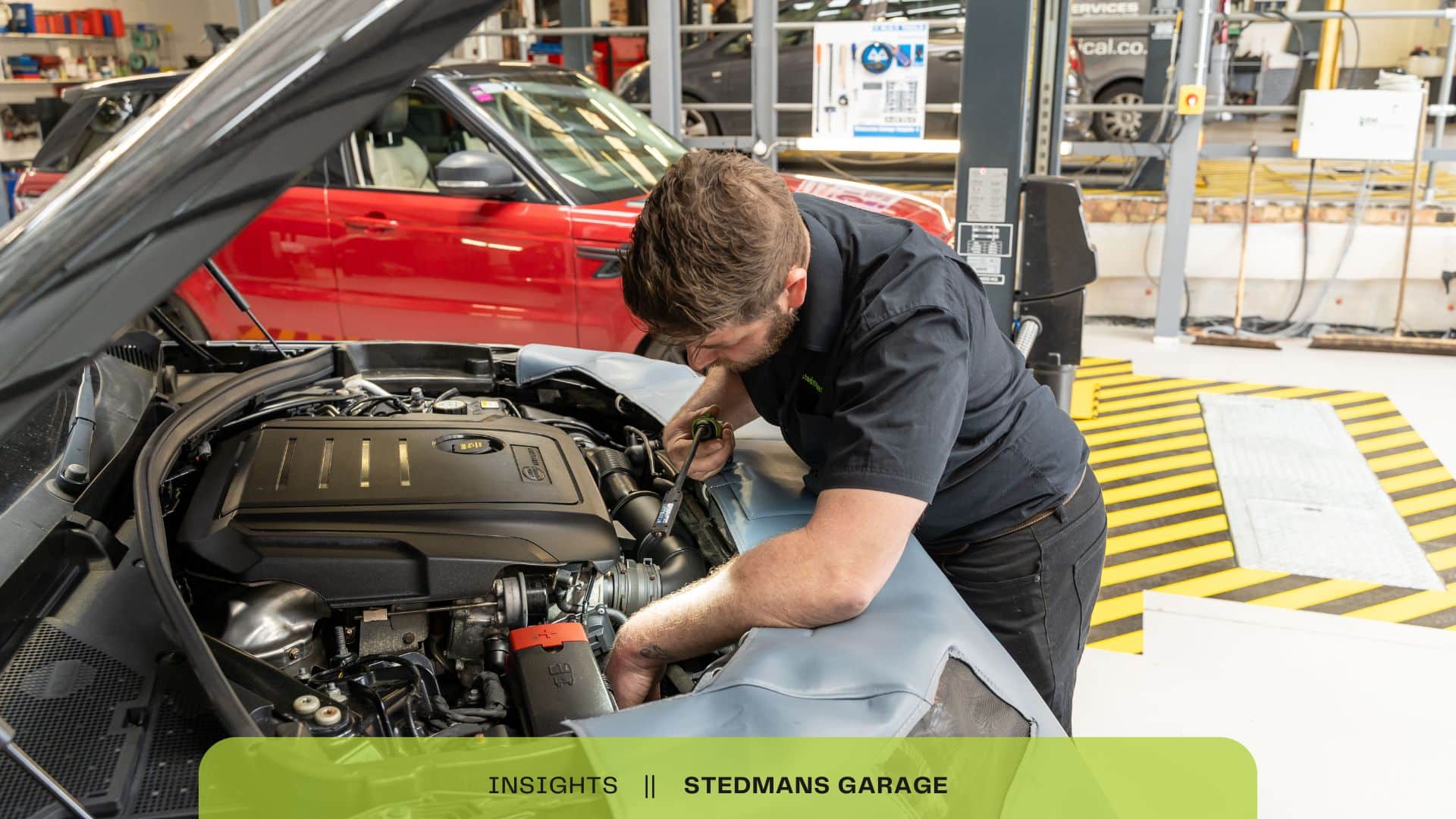
While DIY solutions can save money, they aren’t always advisable. Consider the following factors:
- Complexity of the Issue: For simpler faults, like replacing fuses or batteries, DIY is usually appropriate. However, for more complex issues, such as diagnosing a short circuit or ECU problems, professional expertise is essential.
- Available Tools and Equipment: Evaluate whether you have the necessary tools for the task. Complex electrical work often requires specialised equipment that may not be found in a standard toolkit.
Pros and Cons of Each Approach
- DIY Repairs:
- Advantages: Cost-effective, convenient, and satisfying to solve issues yourself.
- Disadvantages: Risk of misdiagnosis leading to further complications and potential safety hazards if knowledge or skills are lacking.
- Professional Repairs:
- Advantages: Expertise from experienced technicians well-versed in Range Rover systems and access to specialised diagnostic tools, often with warranties on work and parts.
- Disadvantages: Tends to be more expensive and may require scheduling that doesn’t align with personal availability.
West Sussex is home to various garages and dealerships specialising in Range Rover troubleshooting, ensuring quality service tailored to the region’s climate and conditions.
Actionable Tips Section
Here are preventive maintenance tips designed to help Range Rover owners avoid common electrical issues:
- Regular Battery Checks: Inspect the battery for corrosion and ensure it holds a proper charge, looking for signs of wear on terminals and connections.
- Wiring Inspection: Inspect wiring harnesses at least twice a year for signs of damage or degradation, especially in high-use areas.
- Seasonal Maintenance: Schedule additional checks during seasons of heavy precipitation or extreme temperatures, given West Sussex’s climate.
- Use Quality Replacement Parts: Always opt for OEM or high-quality aftermarket parts when replacing fuses, batteries, or other components suitable for Range Rovers.
- Utilise Local Services: Engage with skilled vehicle repair specialists in West Sussex familiar with Range Rover-specific electrical issues for effective resolutions.
Conclusion
Understanding common Range Rover electrical faults and how to resolve them is crucial for all owners, particularly in regions like West Sussex where environmental factors can exacerbate these issues. Timely diagnosis and proactive maintenance can enhance your vehicle’s lifespan and ensure a smoother, more enjoyable driving experience.
If you notice any irregularities in your Range Rover’s electrical system, don’t hesitate, monitor these symptoms and take appropriate action. Whether troubleshooting on your own or seeking professional assistance, being informed empowers you to keep your vehicle running smoothly.
Start monitoring your Range Rover’s electrical system today to safeguard the performance and integrity of your cherished vehicle for years to come!