Introduction
As a British icon of luxury and performance, the Range Rover stands out on the roads of the UK. It appeals to those seeking both style and substance in their vehicles. However, like any high-end automotive marvel, understanding common problems associated with Range Rovers is crucial for both current owners and potential buyers. From transmission issues to electrical faults, these challenges can significantly affect the ownership experience.
This comprehensive guide aims to arm you with knowledge about prevalent Range Rover problems encountered by many drivers, why these issues arise, and how to address them effectively. We will explore various issues, including transmission problems, electrical faults, and suspension difficulties. Being informed can enhance your vehicle’s longevity and ensure you make a wise investment for your driving future.
Overview of Range Rover Reliability and Common Issues
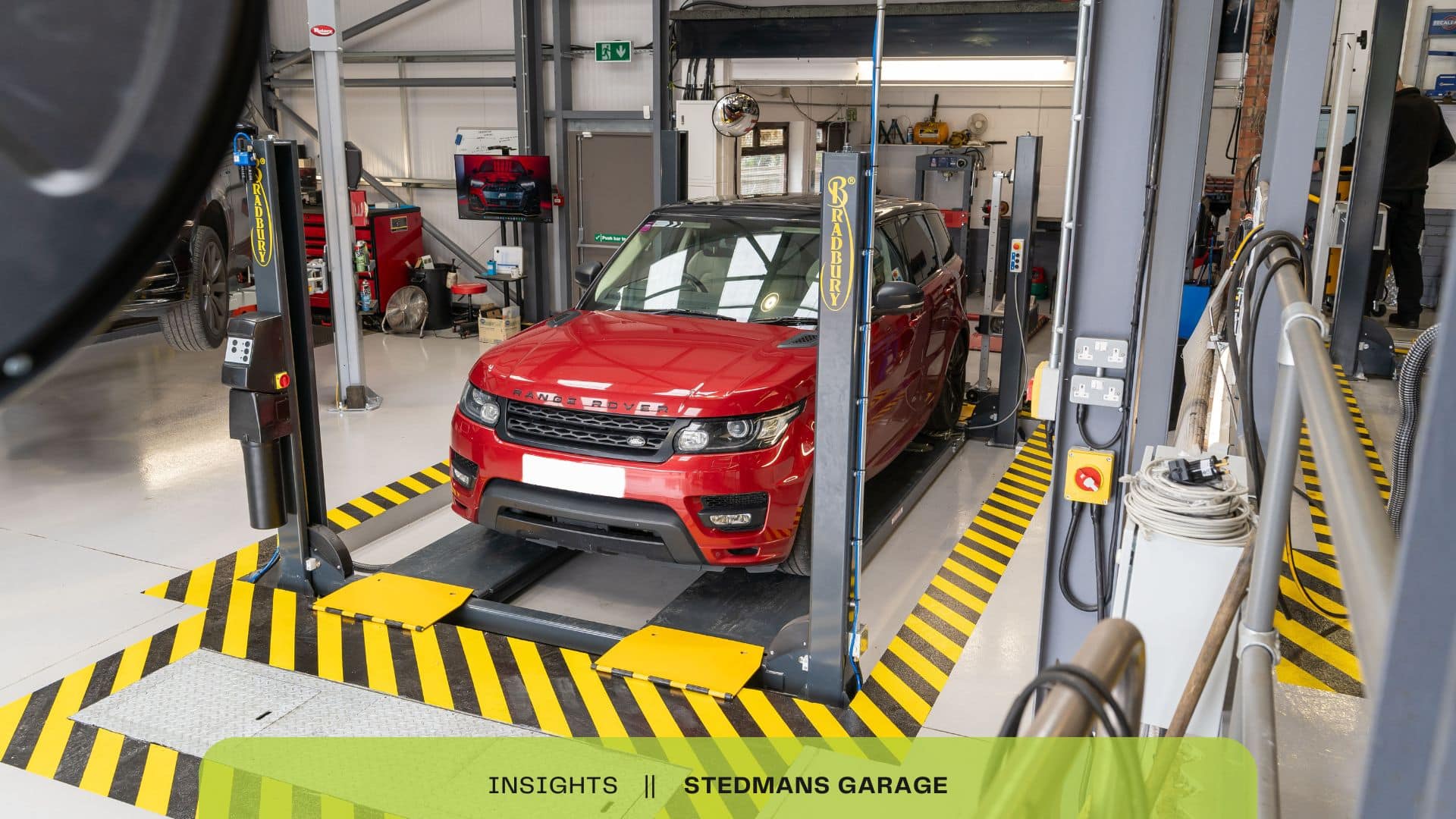
When discussing Range Rover problems, it is essential to consider the brand’s overall reliability and reputation in the UK market. In various reliability surveys, Range Rovers often receive mixed reviews. While many owners praise the vehicle’s extravagant features and capabilities, others report significant issues that can tarnish the brand’s appeal.
Defining Range Rover Problems
“Range Rover problems” refer to the mechanical, electrical, and operational issues that users may face, which can stem from either manufacturing defects or general wear and tear. High repair costs and frequent visits to the garage can be frustrating for owners, impacting their overall satisfaction with these luxurious vehicles.
Reliability Ratings
While Range Rovers are celebrated for their off-road capability and plush interiors, they often receive lower reliability ratings compared to competitors. According to surveys by organisations such as What Car? and JD Power, the models can suffer from various issues, particularly in the first few years of ownership. The financial implications of these common issues make it paramount for potential buyers to understand the associated risks prior to purchasing.
In-Depth Analysis of Common Range Rover Problems

Transmission Issues
One of the most frequently reported Range Rover problems relates to transmission issues. These problems can range from slipping gears to delayed shifting, which can be both frustrating and potentially dangerous.
Symptoms and Causes
If your vehicle hesitates when shifting or makes unusual revving sounds, these may be symptomatic of declining transmission performance. Common causes include:
- Fluid Leaks: Low transmission fluid can result in improper gear function.
- Faulty Sensors: Defective transmission sensors could lead to erratic shifting patterns.
Repair Costs
Repair costs can vary significantly based on severity. Minor repairs such as a fluid change might cost between £100 and £400. However, a complete transmission overhaul may set you back £1,500 to £3,500.
Electrical Faults
Electrical faults are another prominent issue among Range Rover owners. These problems manifest as battery drainage and dashboard warning lights.
Symptoms and Troubleshooting Steps
Common symptoms include:
- Dashboard Warning Lights: Unexplained lights may indicate electrical system malfunctions.
- Battery Drainage: A dead battery during colder climates often points to electrical faults.
If you experience these issues, temporary fixes include performing a hard reset by disconnecting the battery for a few minutes or checking for parasitic drains on the battery’s voltage.
Repair Estimates
Electrical repairs can vary widely, with costs ranging from £100 for minor battery issues to upwards of £800 when dealing with complex wiring problems or component replacements.
Suspension Problems
The luxury and comfort of a Range Rover is greatly influenced by its suspension system. However, issues often arise, especially related to air suspension systems.
Observable Symptoms
- Uneven Ride Height: If one side of your vehicle sits lower than the other, this often indicates suspension problems.
- Bumpy Ride: Excessive bumpiness may signal that the suspension requires attention.
Maintenance Advice
Regular inspections, particularly prior to long journeys, can help catch potential issues before they escalate. Owners should also be aware of service intervals and ensure timely checks for all suspension components.
Repair Costs
Repairing suspension issues can be costly, with charges ranging from £300 for minor repairs to over £1,200 for major air suspension repairs.
Engine Issues
Engine-related problems like oil leaks and overheating are prevalent among Range Rover models. These issues can escalate rapidly if not addressed.
Preventative Measures and Maintenance Tips
- Regular Oil Changes: Changing the oil can help mitigate leak problems.
- Temperature Monitoring: Keep an eye on the temperature gauge during long drives.
Ignoring engine issues can lead to severe damage, so it’s advisable to consult a professional mechanic at the first indication of trouble.
Cost Implications
Engine repairs vary drastically; fixing minor oil leaks may cost less than £200, while addressing significant overheating issues can exceed £1,500.
Infotainment and Electronic Glitches
As technology integrates more into vehicles, Range Rovers are not immune to electronic glitches, especially in their infotainment systems.
Common Issues and Troubleshooting Tips
- Software Malfunctions: Regularly check for system updates.
- Touchscreen Failures: Restarting the system or resetting the infotainment device can sometimes resolve glitches.
Repair Costs
Fixing infotainment system issues may range from £100 for simple software updates to £900 for hardware replacements.
Maintenance Tips for Avoiding Common Range Rover Problems
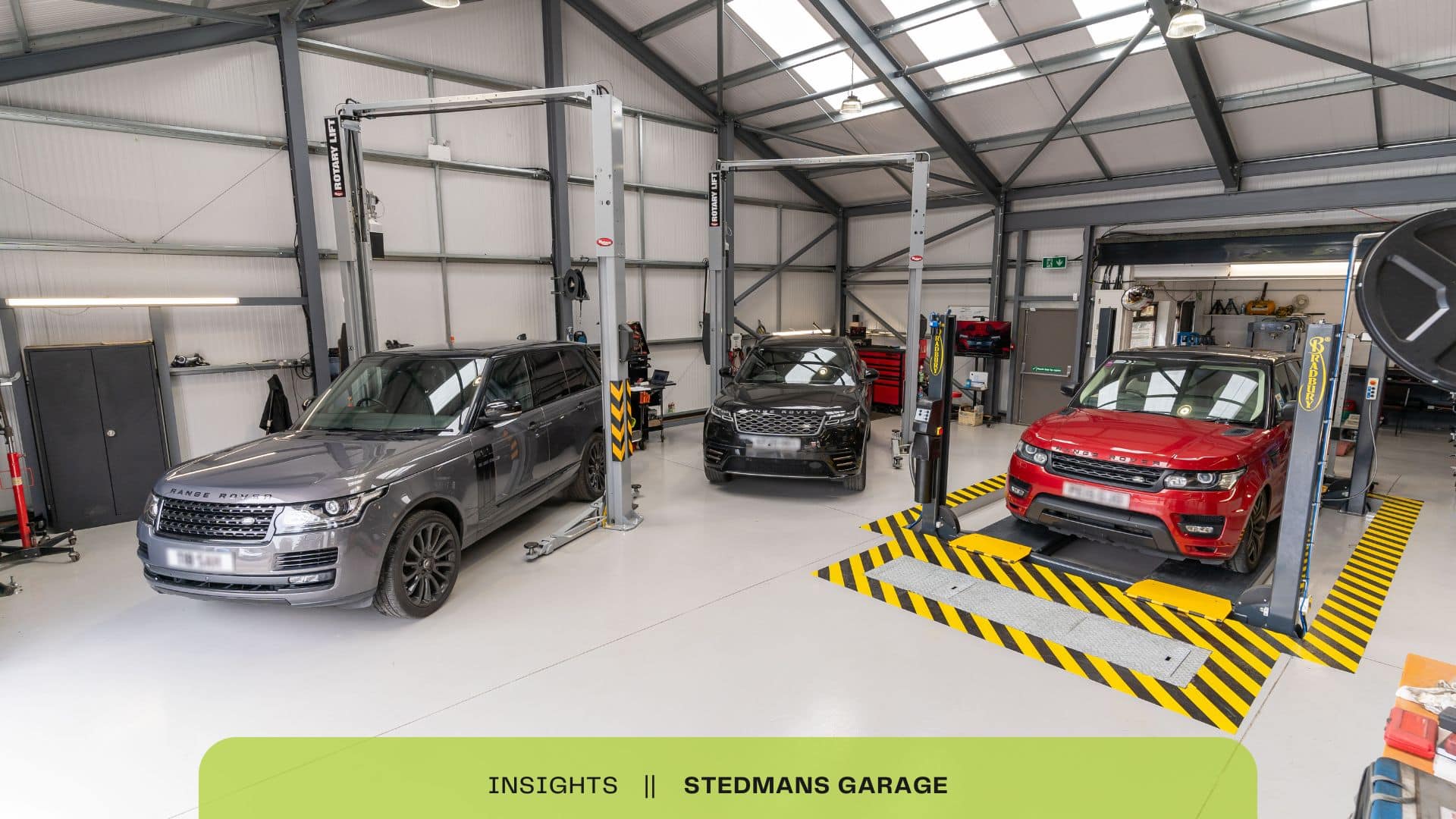
To extend the longevity of your Range Rover and avoid common issues, regular maintenance is essential. Here are vital practices for keeping your vehicle in optimal condition:
- Regularly Check Fluid Levels: Maintain all fluid levels, including transmission, brake, and coolant fluids.
- Conduct Biannual Inspections: Schedule comprehensive inspections to catch lingering problems.
- Verify Tire Condition: Regularly check tire pressure and replace worn tires according to seasonal requirements.
- Battery Maintenance: Inspect the battery regularly for signs of wear and ensure proper connections.
Keeping a record of your vehicle’s maintenance will help identify emerging issues sooner rather than later.
Actionable Tips for Range Rover Owners
To mitigate potential Range Rover problems, consider implementing the following strategies:
- Join a Range Rover Owners Community: Engage with fellow enthusiasts who can provide insights and tips.
- Stay Updated on Recalls: Keep informed about any recalls on your specific model from the manufacturer.
- Invest in Quality Insurance: Opt for comprehensive insurance that covers repairs for common issues.
- Choose Professional Servicing: Having your vehicle serviced by qualified professionals can save you money in the long run.
Conclusion
Understanding common Range Rover problems equips you with the knowledge to effectively manage and mitigate issues that may arise during ownership. By being proactive in addressing concerns, ranging from transmission issues to electrical faults and suspension problems, you can significantly enhance your driving experience.
Seek assistance from qualified professionals for regular vehicle maintenance checks and ensure your Range Rover remains a symbol of luxury and performance on the roads. For any questions or experiences you’d like to share, join our community of Range Rover owners today!