Understanding the various dashboard warning lights in your vehicle is crucial for every car owner and driver in the UK. These indicators are your car’s way of communicating with you, signalling everything from routine maintenance needs to potential safety risks. Ignoring a dashboard warning light can lead to severe mechanical problems, costly repairs, and unsafe driving conditions. This guide aims to illuminate the importance of these dashboard indicators, helping you to be more proactive in managing vehicle safety and maintenance. By the end of this post, you will have a comprehensive understanding of key dashboard warning lights that should never be ignored, how to respond when they illuminate, and preventative measures to keep your vehicle operating smoothly.
Overview of Dashboard Warning Lights
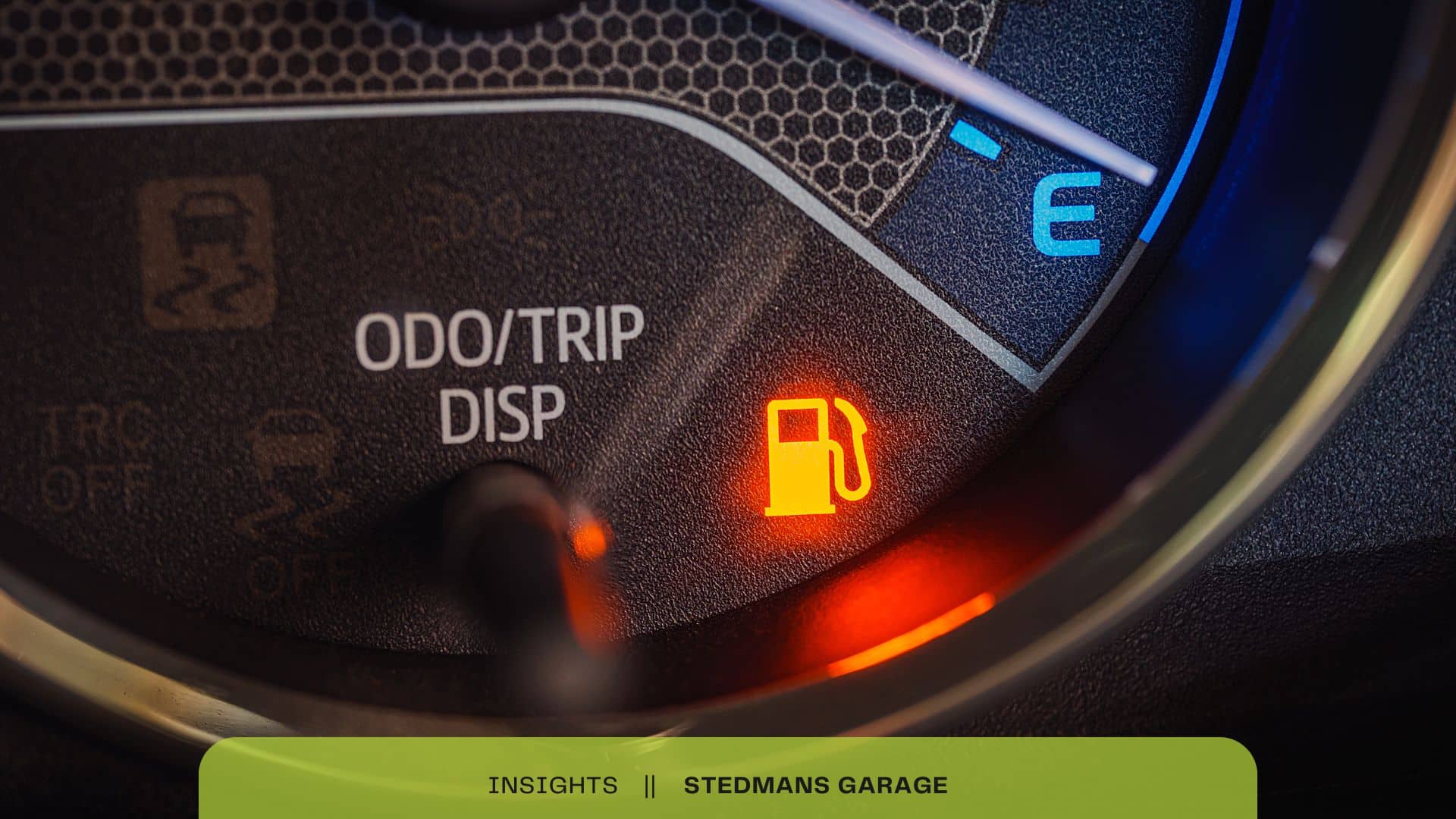
Dashboard warning lights are essential indicators that alert drivers to potential issues within their vehicles. Located on the dashboard, these lights play a vital role in vehicle maintenance and safety. Some indicators might seem benign, while others, if ignored, can lead to catastrophic failures.
The Significance of Dashboard Warning Lights
The modern car dashboard is equipped with a variety of symbols, each designed to convey specific messages about the vehicle’s performance and health. For example, certain lights indicate that routine maintenance is needed, while others suggest urgent attention is required, such as problems with the engine or brakes.
Ignoring these signals can have dire consequences. For instance, if the engine warning light (often shaped like an engine) is illuminated and not addressed, you could end up with extensive engine damage, leading to potentially thousands of pounds in repairs. Familiarising yourself with these indicators will empower you to take timely action, enhancing both your vehicle’s longevity and your safety on the road.
Common Dashboard Warning Lights You Should Never Ignore

Engine Warning Light
The engine warning light is one of the most critical indicators on your dashboard. This light may appear as an engine silhouette or the words “Check Engine.” When it illuminates, it can signal various issues, from minor sensor malfunctions to severe engine problems.
What It Indicates
Among the myriad of issues that could trigger the engine warning light, some common problems include:
- Faulty oxygen sensors
- Loose fuel caps
- Catalytic converter issues
Practical Example and UK Regulations
In the UK, under the MOT regulations, a car must pass specific emissions standards. A malfunctioning catalytic converter can fail this test, resulting in fines and the need for repairs. Thus, if the engine warning light appears, consult a mechanic as soon as possible to diagnose the issue.
Oil Pressure Light
The oil pressure light, represented as an oil can icon, is crucial for engine longevity. When illuminated, this warning light suggests that the engine oil pressure is either too low or non-existent.
Importance and Actions
Low oil pressure can result in severe engine damage, including seized bearings and complete engine failure.
If this light comes on, consider these actionable steps:
- Pull over safely as soon as possible.
- Check the oil level using the dipstick.
- If levels are low, top up with the appropriate oil.
- If the light remains on, contact a mechanic immediately.
Highlighting Preventive Maintenance
Regular oil changes and checks of oil levels can prevent low pressure situations. UK drivers should follow the manufacturer’s recommendations, typically every 5,000 to 7,500 miles.
Brake System Warning Light
The brake system warning light, often depicted as an exclamation mark within a circle, is an essential indicator related to your vehicle’s braking system. Ignoring this warning can lead to brake failure, which is a major risk on both urban and rural roads.
What It Signifies
This light can be triggered by various issues, including:
- Low brake fluid levels
- Worn brake pads
- Problems with the Anti-lock Braking System (ABS)
Urgency of Addressing This Warning Light
Addressing this indicator quickly is crucial, as poor brake performance can lead to accidents. If this light illuminates, don’t hesitate; your safety depends on a fully functional braking system.
Tyre Pressure Warning Light
The tyre pressure warning light, typically shaped like a flat tyre with an exclamation mark, is a reminder to check your tyre pressure. Incorrect tyre pressure can impact fuel efficiency, handling, and overall safety.
Implications of Incorrect Tyre Pressure
Low tyre pressure can lead to:
- Decreased traction on wet roads
- Increased fuel consumption
- Tyre blowouts
Real-World Examples Relevant to UK Driving Conditions
Many drivers in the UK may encounter roads that can quickly deteriorate under adverse weather conditions. A well-inflated tyre can improve handling during rain and mitigate the risks associated with slipping or skidding. Therefore, regularly checking tyre pressures, especially during seasonal changes, is essential for safe driving.
How to Respond to Dashboard Warning Lights
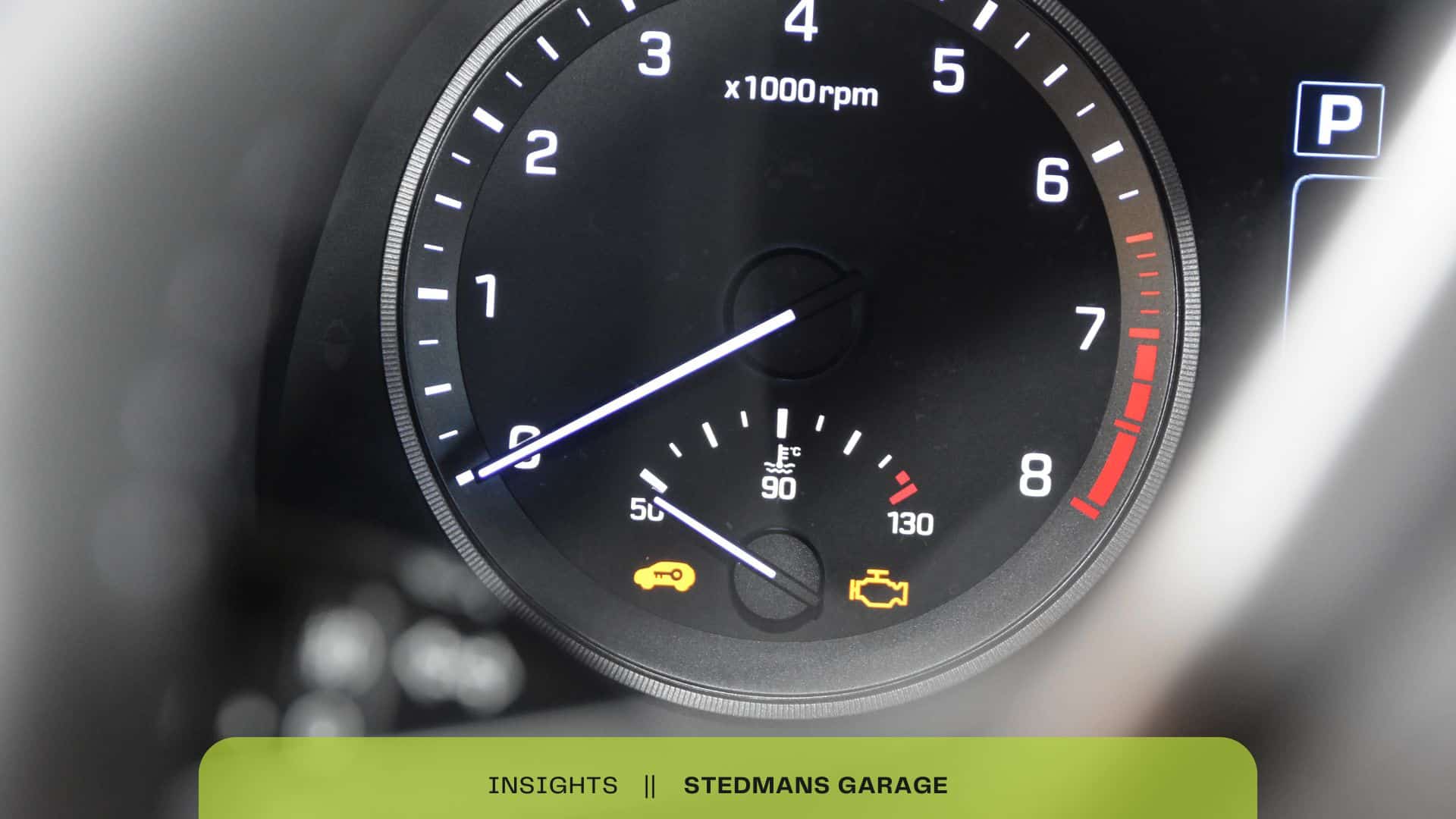
When a dashboard warning light illuminates, knowing how to respond can mean the difference between a minor inconvenience and a costly repair.
Steps to Follow When a Warning Light Comes On
- Stay Calm: Do not panic; proceed safely.
- Check Your Manual: Refer to your vehicle’s owner manual for specific information regarding the illuminated light.
- Evaluate the Situation: If possible, check relevant fluid levels (engine oil, brake fluid, coolant).
- Inspect the Vehicle: Look for any unusual smells, leaks, or sounds.
- Pull Over Safely: If the light indicates a severe problem, find a safe place to stop.
- Consult a Mechanic: If the warning persists or if you’re unsure about the problem, seek professional help.
Practical Advice for Safety in the UK
- Regularly maintain your vehicle to ensure its systems are functioning well.
- Familiarise yourself with the dashboard symbols; some newer cars have extensive systems that may require more in-depth knowledge.
- Conduct regular checks on oil, coolant, and tyre pressure to anticipate warning lights before they illuminate.
Actionable Tips Section
Routine vehicle checks can significantly reduce the likelihood of dashboard warning lights appearing unexpectedly. Here are practical maintenance tips:
Regular Inspection Checklist
- Engine Oil: Check the level monthly and top up as necessary.
- Brakes: Have your brakes inspected at least once a year or every 10,000 miles.
- Tyres: Check tyre pressure at least every two weeks, especially before long trips.
- Windscreen Wipers: Replace every six months for optimal visibility.
- Lights: Regularly inspect all lights, including brake and indicator lights.
Resources for Learning
- Local Garage Services: Seek out reputable garages in your area for regular checks. Look for establishments with good customer reviews.
- Online Tutorials: Many websites and YouTube channels provide visual guidance on basic maintenance. Websites such as the RAC offer invaluable resources for understanding car care.
Conclusion
Recognising and responding to dashboard warning lights is essential for maintaining vehicle safety and performance. By understanding what various indicators signify, you not only protect your investment but also enhance your safety on the road. Remember to stay proactive, regular maintenance checks can prevent many issues from becoming severe. If you notice any warning lights on your dashboard, don’t wait; take action to ensure your vehicle remains safe to drive. Regularly check your car and consult a mechanic if you’re concerned. Vehicle safety is a shared responsibility, so equip yourself with the knowledge to keep yourself and others safe on UK roads.