Introduction
Understanding EV diagnostics, particularly focusing on battery and software issues, is crucial for electric vehicle (EV) owners and automotive enthusiasts alike. As electric vehicles become increasingly popular in the UK, the need for effective diagnostics to keep your vehicle performing well cannot be overstated. Battery health and software functionality are two key elements that significantly influence the overall performance of an electric vehicle.
Understanding EV Diagnostics
What Are Diagnostics?
Diagnostics refer to the methods and tools used to identify and troubleshoot issues within a vehicle’s systems. For electric vehicles, diagnostics encompass both hardware and software assessments to ensure that all components are functioning optimally. This process typically involves analyzing data from various sensors and systems that monitor the vehicle’s performance, health, and safety.
Importance of Diagnostics in EVs
- Proactive Maintenance: Regular diagnostics can help detect potential issues before they escalate into serious problems. By identifying faults early, EV owners can address them promptly, thus avoiding costly repairs and unexpected breakdowns.
- Performance Optimization: Diagnostics allow for the continuous monitoring of battery health and software functionality. This ensures that the vehicle operates at peak performance, maximising efficiency and range.
- Safety Assurance: Many EV components are critical for safe operation. Diagnostics help ensure that systems such as the battery management system, thermal management, and braking systems are functioning correctly, thereby reducing the risk of accidents.
- Environmental Impact: By maintaining optimal performance through diagnostics, EVs can operate more efficiently, leading to reduced energy consumption and a lower carbon footprint.
Common Diagnostic Indicators
When performing diagnostics on an electric vehicle, several key indicators are assessed to evaluate the health of the vehicle:
- Battery State of Health (SoH): This indicator measures the overall condition of the battery relative to its new state. A lower SoH can indicate capacity loss and reduced driving range.
- Battery State of Charge (SoC): This reflects the current charge level of the battery. Understanding the SoC is crucial for effective energy management and planning charging sessions.
- Temperature Readings: Monitoring temperature across the battery cells helps identify thermal management issues that could lead to performance degradation or safety hazards.
- Error Codes: Diagnostic tools can retrieve error codes that indicate specific faults or malfunctions within the vehicle’s systems. These codes provide valuable insights into the nature of the problem and guide technicians in resolving issues.
Diagnostic Tools and Technologies
Advancements in technology have led to the development of sophisticated diagnostic tools that enhance the efficiency of the diagnostic process. Here are some of the most notable tools used in EV diagnostics:
- Advanced Scanners: These diagnostic scanners can connect to OBD systems to retrieve a wealth of information about vehicle performance, including error codes and real-time data.
- Battery Testers: Specialised battery testers can assess various parameters of the battery, such as voltage, current, and internal resistance, providing detailed insights into its health.
- Data Logging: Some diagnostic tools allow for data logging, which records performance metrics over time. This information can be invaluable for identifying trends and potential issues.
- Cloud-Based Diagnostics: Emerging technologies enable cloud connectivity for real-time diagnostics. This allows manufacturers and technicians to monitor vehicle health remotely, facilitating quicker responses to issues.

Understanding EV Battery Issues
Overview of EV Batteries
An electric vehicle battery is a critical component that stores energy and powers the vehicle’s electric motor. The most common type of battery used in modern electric vehicles is the lithium-ion battery, known for its high energy density and efficiency. Lithium-ion batteries typically consist of several key components, including:
- Anode and Cathode: The anode is usually made of graphite, while the cathode is often composed of lithium metal oxide. These materials facilitate the flow of lithium ions during charging and discharging cycles.
- Electrolyte: The electrolyte is a chemical medium that allows ions to move between the anode and cathode, enabling energy storage and release.
- Battery Management System (BMS): The BMS monitors the battery’s health, manages charging and discharging, and ensures optimal performance. It plays a vital role in extending battery life and maintaining safety.
In the UK, the majority of electric vehicles utilise lithium-ion battery technology due to its efficiency and relatively low environmental impact compared to older battery technologies.
Common Battery Issues
Despite their advantages, EV batteries can encounter a range of issues that may affect performance. Here are some common problems faced by electric vehicle owners in the UK:
- Reduced Capacity: Over time, an EV battery’s capacity may diminish due to repeated charging cycles, temperature fluctuations, and age. This can lead to reduced driving range and performance.
- Charging Problems: Issues such as slow charging, inability to charge, or incomplete charging cycles can arise due to faulty charging equipment or battery malfunctions.
- Thermal Management Issues: EV batteries operate best within a specific temperature range. Extreme heat or cold can affect performance, leading to potential safety hazards and reduced efficiency.
- Cell Imbalance: Variations in the charge levels of individual battery cells can lead to reduced overall battery performance and lifespan.
Diagnostic Tools and Techniques
Diagnosing battery issues requires the use of specific tools and techniques. Here are some of the most common diagnostic methods employed in the UK:
- Onboard Diagnostics (OBD) Systems: Most electric vehicles are equipped with OBD systems that provide real-time data on battery health, charge levels, and performance metrics. Technicians can connect a diagnostic scanner to these systems to retrieve error codes and other vital information.
- Battery Management Systems (BMS): The BMS continuously monitors the battery’s health and can flag issues such as cell imbalance or overheating. Understanding the data provided by the BMS is crucial for effective diagnostics.
- Multimeters and Specialized Battery Testers: These tools can measure the voltage and current of the battery, helping to identify issues such as short circuits or voltage drops.
- Thermal Imaging Cameras: These devices assess temperature variations across the battery pack, allowing technicians to detect overheating cells or other thermal issues.
Resolving Battery Issues
Addressing common battery issues proactively can significantly enhance the longevity and performance of an electric vehicle. Here are some effective strategies for EV owners:
- Proper Charging Techniques:
- Avoid Overcharging: Use a Level 2 charger for optimal charging speed and avoid leaving the vehicle plugged in for extended periods.
- Maintain Charge Levels: Keep the battery charged between 20% and 80% to prolong its lifespan. Regular deep discharges can lead to capacity loss.
- Temperature Management:
- Use Climate Control: Precondition the vehicle before driving in extreme temperatures to maintain optimal battery performance.
- Park in Shade or Garages: Protect the vehicle from extreme heat or cold to prevent thermal stress on the battery.
- Regular BMS Updates: Ensure that the battery management system is updated regularly to take advantage of the latest features and improvements, which can enhance battery longevity and safety.
Exploring EV Software Challenges
Role of Software in EV Functionality
Software plays a pivotal role in the functionality of electric vehicles. It governs everything from vehicle control systems to battery management and user interface features. Key areas where software impacts performance include:
- Battery Management: Software algorithms ensure that the battery operates within optimal parameters, balancing charge levels across cells and managing temperature.
- Vehicle Controls: Software controls the electric motor, regenerative braking, and various drive modes, influencing the overall driving experience.
- User Interfaces: Software enables features such as navigation, infotainment, and connectivity options, providing a seamless experience for the driver.
Common Software Issues
As with any technology, software in electric vehicles can encounter issues that may hinder performance and user experience. Some common software problems include:
- Glitches and Freezes: Software bugs can lead to system freezes or malfunctions, causing inconvenience and safety concerns for drivers.
- Update Failures: Failed software updates can lead to incomplete installations, resulting in performance issues or loss of features.
- System Resets: In some cases, the vehicle may require a reset to restore normal functionality, which can be frustrating for owners.
- Connectivity Issues: Problems with wireless connectivity can hinder access to remote features or software updates, impacting user convenience.
Diagnostic Approaches for Software Issues
To effectively diagnose software issues, technicians and owners can employ several diagnostic methods:
- Diagnostic Software Applications: Many manufacturers provide proprietary diagnostic software that can assess vehicle systems, identify errors, and facilitate troubleshooting.
- Firmware Updates: Keeping the vehicle’s software up to date is essential for optimal performance. Monitoring for firmware updates can help address known issues and improve functionality.
- Error Code Retrieval: Using OBD scanners, technicians can retrieve error codes related to software problems, aiding in the identification of specific issues.
- User Feedback: Engaging with user forums and support channels can provide insights into common software issues and potential fixes.
Resolving Software Issues
When encountering software issues, EV owners can take several steps to resolve them effectively:
- Perform a Soft Reset: A simple reset can sometimes resolve temporary glitches. This may involve turning the vehicle off and on again or disconnecting and reconnecting the battery.
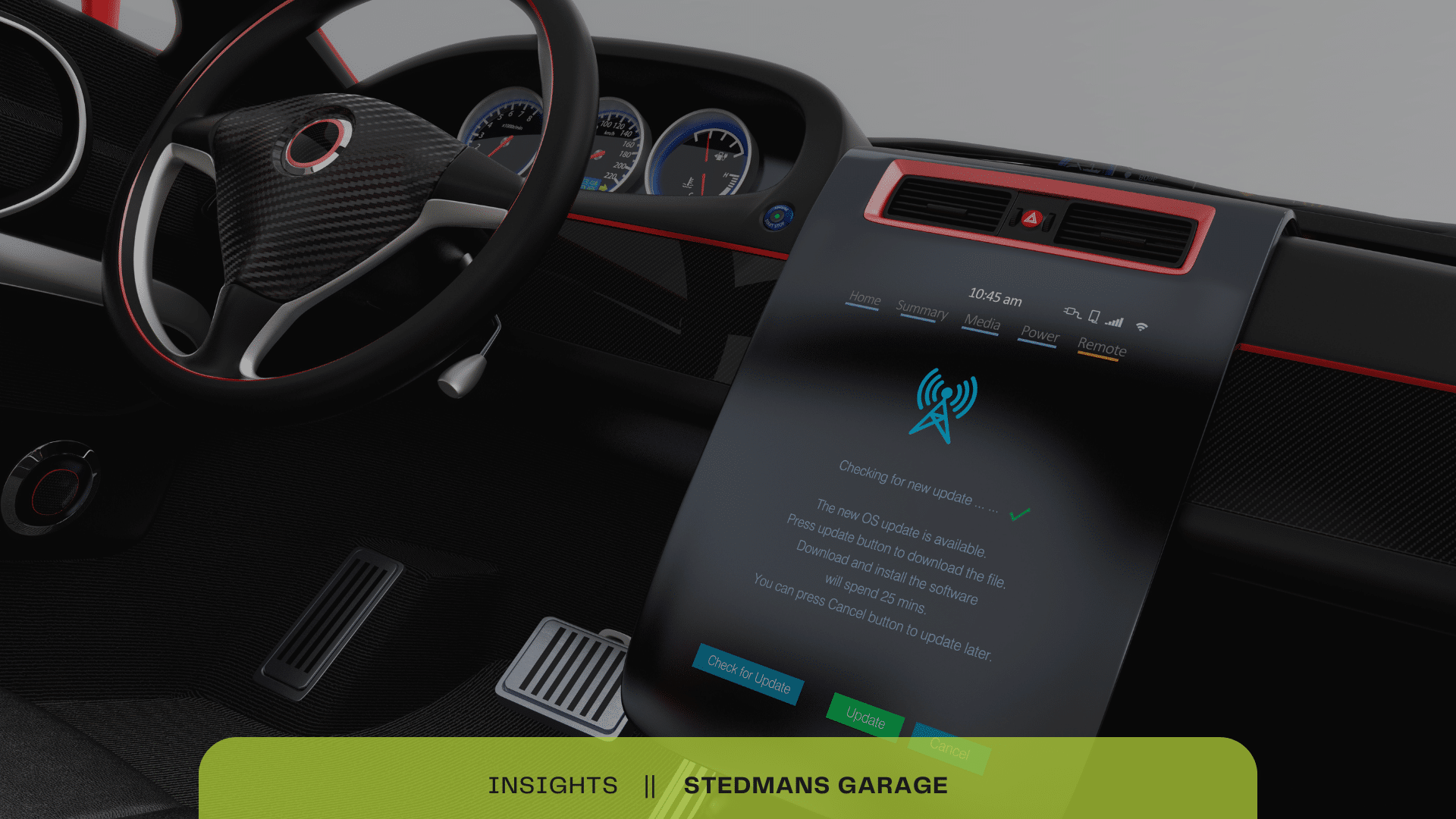
- Check for Software Updates: Regularly check the manufacturer’s website or in-vehicle notifications for available software updates. Installing these updates can often resolve known bugs and improve performance.
- Reinstall Software Applications: If specific applications are malfunctioning, uninstalling and reinstalling them can often restore functionality.
- Consult Professional Technicians: For persistent software issues, consulting a qualified technician can provide expert insights and solutions. They may have access to diagnostic tools and resources not available to the average owner.
Conclusion
In conclusion, a comprehensive understanding of EV diagnostics, particularly concerning battery and software issues, is vital for electric vehicle owners and automotive enthusiasts. By proactively identifying and resolving common battery and software problems, EV owners can enhance their vehicle’s performance and longevity. Regular maintenance, effective diagnostic tools, and staying informed about the latest software updates are essential for optimal performance and reliability. As electric vehicles continue to shape the future of transportation in the UK, mastering EV diagnostics will empower owners to enjoy a seamless and efficient driving experience. Start exploring your vehicle’s diagnostics today to ensure optimal performance and reliability!