Introduction
As electric vehicles (EVs) continue to gain traction in the UK automotive market, understanding the intricacies of their technology becomes essential for owners, enthusiasts, and professionals alike. One of the standout features of Tesla vehicles is their self-diagnosis system, a sophisticated mechanism designed to monitor the health of various components and alert drivers to potential issues. This blog post provides an in-depth look at Tesla’s self-diagnosis system, exploring its functionality, limitations, and common oversights. Whether you’re a proud Tesla owner, an automotive enthusiast, or a technology professional, this article will equip you with valuable insights into the workings of Tesla’s diagnostic capabilities.
We’ll delve into the key features of the self-diagnosis system, its integration with Tesla software updates, and the limitations that can affect UK drivers. Additionally, we will provide real-world examples of missed diagnostics, compare Tesla’s system with those of other electric vehicle manufacturers, and offer actionable tips for optimising the use of this technology.
Overview of Tesla’s Self-Diagnosis System

What is the Tesla Self-Diagnosis System?
The Tesla Self-Diagnosis System is an integrated feature that continuously monitors the vehicle’s performance and health. It uses a suite of sensors and advanced software algorithms to assess various components, including the battery, motor, brakes, and tyres. By collecting real-time data, Tesla’s system can identify anomalies and potential failures, alerting drivers through notifications on the vehicle’s touchscreen or mobile app.
Importance in Electric Vehicles
For electric vehicle owners, particularly in the UK, maintaining vehicle health is crucial, as EVs rely heavily on complex electronic systems. The self-diagnosis system not only helps identify issues before they escalate into more significant problems but also plays a role in ensuring the safety and reliability of the vehicle. Given the rapid advancement of electric vehicle technology and the unique challenges it presents, having a robust diagnostic system is indispensable for both the driver’s peace of mind and the vehicle’s longevity.
How Does the System Operate?
The operation of Tesla’s self-diagnosis system is rooted in sophisticated technology. It employs onboard diagnostics (OBD) that communicate with various sensors and control units throughout the vehicle. Real-time data is continuously collected and analysed, allowing the system to generate reports on the vehicle’s performance and health. This proactive approach not only helps identify faults but also enhances the overall driving experience by ensuring the vehicle operates at optimal levels.
Key Features of the Self-Diagnosis System

Real-time Monitoring and Alerts
One of the most significant advantages of Tesla’s self-diagnosis system is its ability to provide real-time monitoring and alerts. This feature allows the vehicle to constantly check its various systems for abnormalities. For instance, if the battery temperature exceeds safe limits or if the tyre pressure drops below recommended levels, the system will immediately alert the driver through visual and auditory notifications.
Advantages:
- Proactive Alerts: By receiving alerts in real-time, drivers can address issues before they develop into serious problems, potentially saving on costly repairs and ensuring safety on the road.
- User-Friendly Interface: The alerts are displayed on the central touchscreen in an intuitive manner, making it easy for drivers to understand the nature of the issue.
Disadvantages:
- Dependence on Technology: If the system encounters a software glitch or sensor failure, it may fail to provide critical alerts, leaving the driver unaware of underlying issues.
Integration with Tesla’s Software Updates
Tesla vehicles are renowned for their software updates, which are frequently rolled out over the air. These updates not only enhance the vehicle’s performance but also improve the self-diagnosis system’s capabilities. With each update, Tesla can refine the algorithms used for diagnostics, add new features, and enhance existing ones, ensuring that the vehicle remains state-of-the-art.
Advantages:
- Continuous Improvement: The integration of software updates means that Tesla vehicles can benefit from the latest diagnostic technologies without the need for physical visits to service centres.
- Enhanced Performance: Updates can lead to better energy management, improved battery health, and overall enhanced vehicle performance.
Disadvantages:
- Update Dependency: The effectiveness of the self-diagnosis system can depend on the timely installation of software updates. Neglecting updates may result in missing out on critical improvements.
Limitations of Tesla’s Self-Diagnosis System
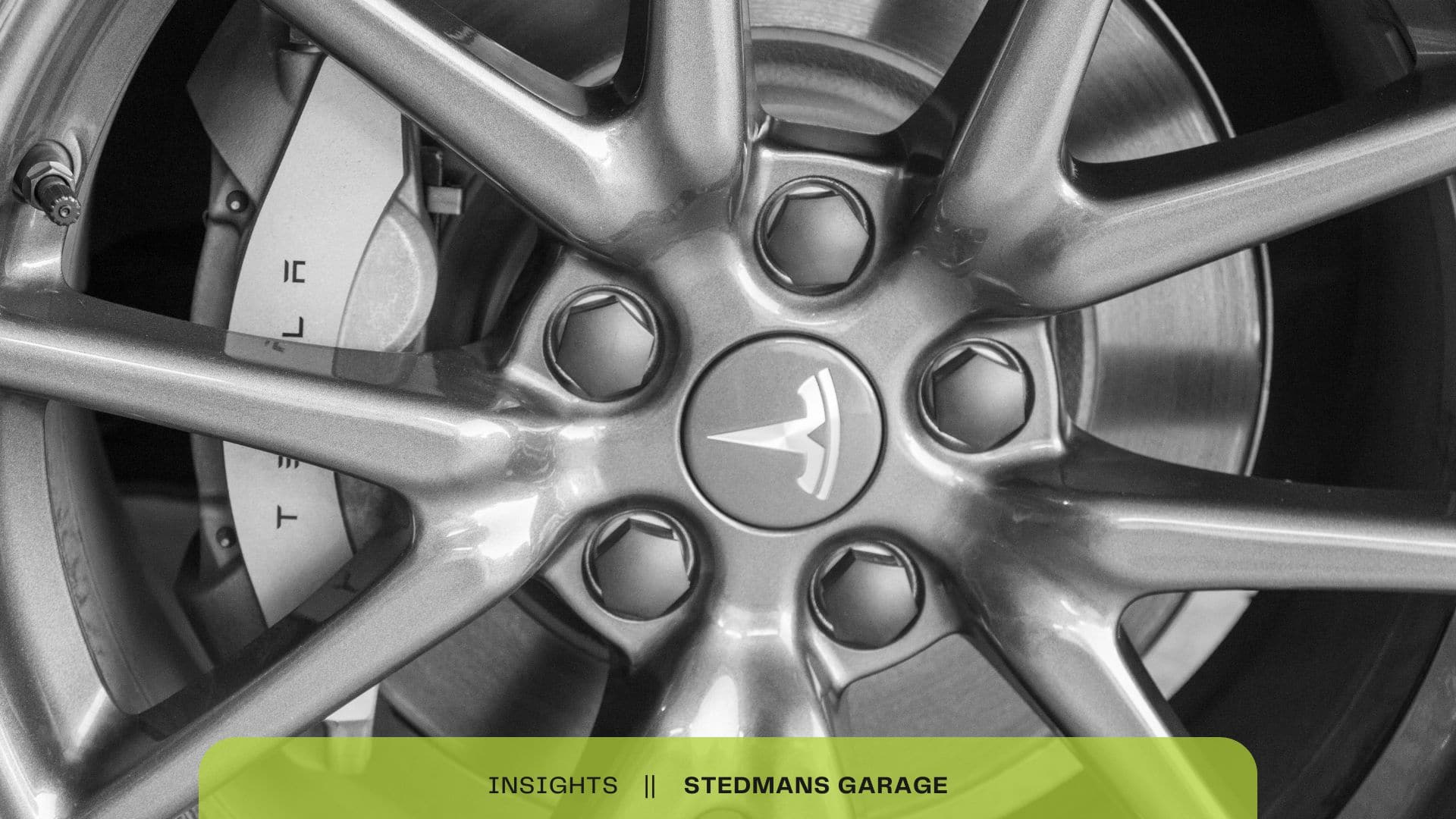
While the Tesla self-diagnosis system is cutting-edge, it is essential to understand its limitations. Despite its advanced capabilities, there are scenarios where the system may not function optimally, leading to potential oversights that could affect vehicle safety and maintenance.
Common Issues Missed by the System
- Sensor Failures: If a sensor malfunctions, the system may not detect the problem it is supposed to monitor. For example, a faulty tyre pressure sensor might not alert the driver of low tyre pressure, leading to unsafe driving conditions.
- Software Bugs: Like any software system, Tesla’s self-diagnosis system can be susceptible to bugs that might prevent it from functioning correctly, resulting in false alarms or no alerts when an issue is present.
- Environmental Factors: Certain external factors, such as extreme weather conditions, can affect the performance of the sensors and, consequently, the self-diagnosis system. Heavy rain or snow might obscure sensors, leading to inaccurate readings.
Implications for UK Drivers
Understanding these limitations is particularly important for UK drivers, where varying weather conditions and road types can impact vehicle performance. Neglecting to consider these factors could lead to safety risks and unexpected breakdowns. Moreover, with the increasing emphasis on electric vehicle diagnostics, drivers must remain proactive in monitoring their vehicle’s health, rather than relying solely on automated systems.
Real-World Examples of Missed Diagnostics
To highlight the limitations of the Tesla self-diagnosis system, let’s explore real-world scenarios where the system failed to identify problems:
- Battery Management Issues: A Tesla owner in London reported that their vehicle’s self-diagnosis system did not alert them about deteriorating battery performance. Despite the car operating normally, the battery was unable to hold a charge effectively, leading to significant inconvenience and the need for a costly battery replacement.
- Brake System Warning: Another UK Tesla driver experienced brake system issues. The self-diagnosis system failed to notify them of a worn brake pad, which led to a sudden brake failure while driving in busy traffic. This incident underscores the importance of regular maintenance checks, even when a car’s technology suggests everything is functioning well.
- Tyre Pressure Monitoring: A Tesla Model 3 owner noticed a significant drop in tyre pressure but received no alerts from the self-diagnosis system. Upon inspection, it was revealed that a tyre pressure sensor had malfunctioned, leading to the oversight.
These examples illustrate the importance of being vigilant and taking proactive measures to monitor vehicle health, despite the advanced technology at play.
Comparing Tesla’s System with Other Electric Vehicle Diagnostics

As electric vehicles continue to evolve, it’s important to compare Tesla’s self-diagnosis system with those of other manufacturers in the market. This comparison can provide insights into the strengths and weaknesses of different systems, helping UK drivers make informed choices about their vehicles.
Tesla vs. Other Electric Vehicle Manufacturers
- Nissan Leaf: The Nissan Leaf employs a basic diagnostic tool that focuses primarily on battery health and performance. While it provides essential information, it lacks the depth of real-time monitoring available in Tesla vehicles. However, it is straightforward and user-friendly, making it accessible for less tech-savvy drivers.
- BMW i3: BMW’s i3 features an advanced diagnostic system that includes predictive maintenance alerts. However, it does not offer the same level of real-time data monitoring that Tesla provides. The BMW system is more focused on scheduled maintenance, which might lead to missed alerts for sudden issues.
- Audi e-Tron: Audi’s e-Tron model comes with a comprehensive diagnostic system that integrates with the brand’s infotainment system. While it offers good monitoring capabilities, the system is less intuitive compared to Tesla’s interface, potentially complicating the user experience for some drivers.
Actionable Tips for Tesla Owners
For Tesla owners looking to maximise the benefits of the self-diagnosis system, here are some actionable tips:
- Stay Updated: Regularly check for and install Tesla software updates. These updates often provide enhancements to the self-diagnosis system and other critical features. You can easily check for updates in the settings menu of the touchscreen interface.
- Monitor Alerts: Pay close attention to notifications from the self-diagnosis system. If an alert appears, take it seriously and investigate the issue promptly. It’s advisable to keep a record of any alerts and the actions taken to resolve them.
- Conduct Regular Checks: Even with a sophisticated self-diagnosis system, it’s crucial to perform regular vehicle health checks. This includes inspecting tyre pressure, brake pads, and battery performance. Consider scheduling these checks at regular intervals, especially before long journeys.
- Utilise Diagnostic Tools: Consider investing in third-party diagnostic tools compatible with Tesla vehicles. These tools can provide additional insights into vehicle health, enabling you to catch issues that the self-diagnosis system may overlook.
- Engage with the Community: Join Tesla owner forums and communities. Engaging with other Tesla drivers can provide valuable insights and experiences regarding the self-diagnosis system and how to effectively manage your vehicle’s health.
Conclusion
Understanding Tesla’s self-diagnosis system is vital for UK Tesla owners, automotive enthusiasts, and technology professionals interested in electric vehicle diagnostics. While the self-diagnosis system offers advanced monitoring capabilities and integrates seamlessly with Tesla’s software updates, it is crucial to be aware of its limitations and common oversights. By remaining vigilant and proactive in monitoring vehicle health, drivers can ensure their Tesla operates at peak performance and avoid potential safety hazards.
As electric vehicles continue to evolve, staying informed about your vehicle’s health is more important than ever. Consider regular check-ups and engage with the Tesla community to share insights. Start utilising your Tesla’s self-diagnosis system effectively today for a safer and more reliable driving experience.