Electric vehicles (EVs) are becoming increasingly popular in the UK as drivers seek more sustainable modes of transport. However, many potential and current EV owners often grapple with concerns about the range of their vehicles. This blog aims to provide UK electric vehicle owners and potential buyers with essential tips and techniques to extend electric vehicle range and enhance overall electric vehicle efficiency. By understanding the factors that affect range, implementing effective charging strategies, and adopting optimal driving habits, drivers can significantly improve their EV experience.
In this comprehensive guide, we will delve into various aspects of electric vehicle range, including what it means in the context of EVs, the factors influencing it, and actionable strategies to maximise it. By the end of this blog, readers will have a robust understanding of how to extend their vehicle’s range and make the most of their electric driving experience.
Understanding Electric Vehicle Range
What Does Range Mean for Electric Vehicles?
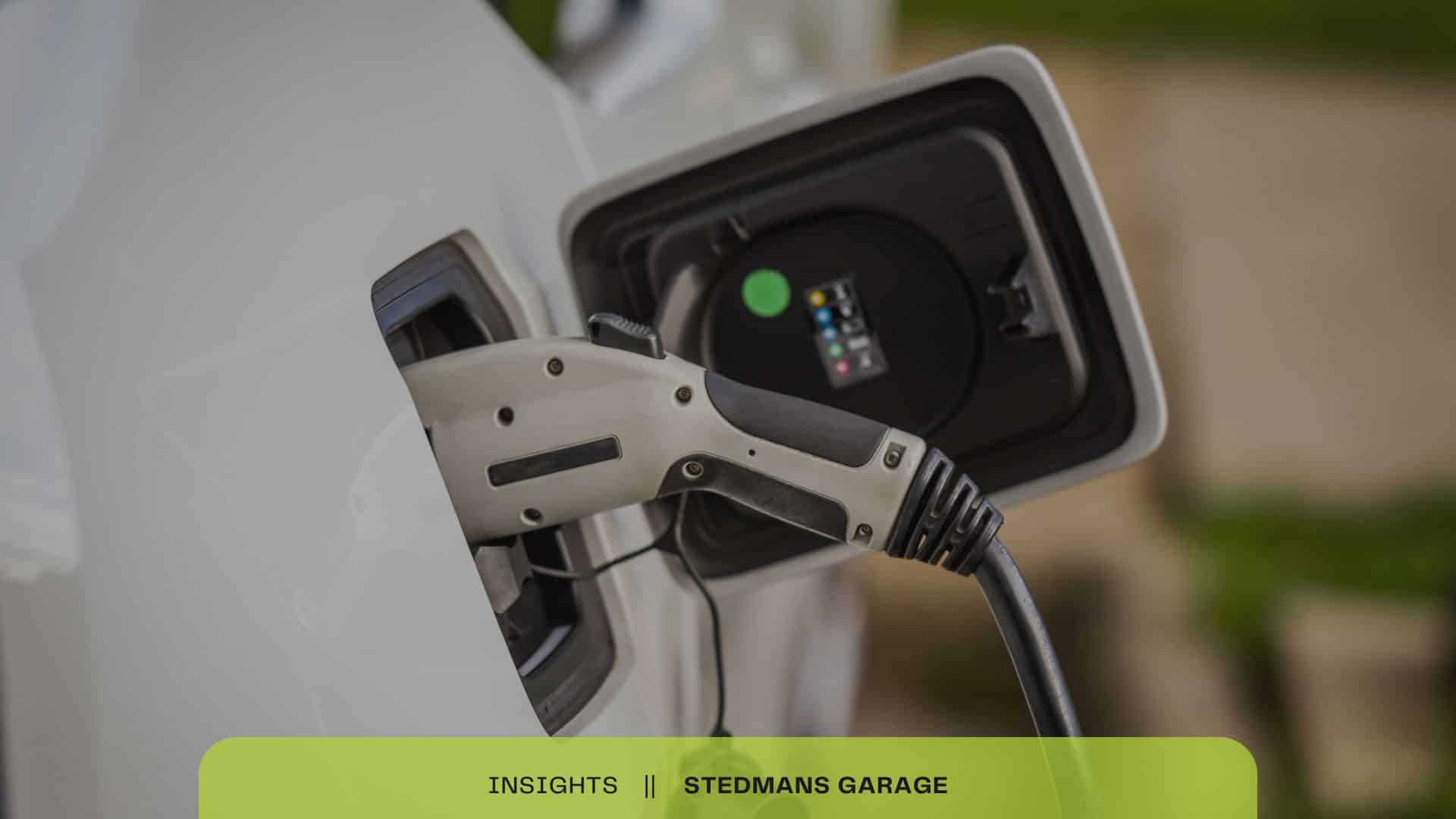
In the context of electric vehicles, “range” refers to the distance an EV can travel on a single charge. This measurement is crucial for potential buyers and current owners, as it directly affects the vehicle’s practicality and usability. The range can vary significantly depending on various factors, including the make and model of the vehicle, battery capacity, driving conditions, and individual driving habits.
How is Range Measured?
Range is typically measured in miles, and manufacturers often provide an estimated range based on standard driving conditions. However, these figures may not always reflect real-world usage, especially in the diverse and often unpredictable UK climate. For instance, a car’s advertised range may be 200 miles, but under specific conditions (such as cold weather, heavy traffic, or aggressive driving) this range can diminish significantly.
Factors Affecting Range in the UK Climate
In the UK, factors such as temperature, humidity, and road conditions can impact electric vehicle range. Cold weather, for instance, can reduce battery efficiency and, consequently, range. Additionally, driving on hilly terrains, as often found in certain UK regions, can lead to increased energy consumption. Understanding these factors is essential for EV owners aiming to maximise their range.
Factors Influencing Electric Vehicle Range

Battery Capacity and Maintenance
Battery Size and Its Impact on Range
The battery capacity of an electric vehicle is one of the most significant determinants of its range. Measured in kilowatt-hours (kWh), larger batteries can store more energy and thus provide a longer range. For example, a vehicle with a 60 kWh battery may have an estimated range of around 200 miles, while a 100 kWh battery could potentially offer around 300 miles or more.
Maintenance Tips to Prolong Battery Life
To ensure that the battery maintains its efficiency and range over time, regular maintenance is crucial. Here are some battery maintenance tips particularly suitable for UK drivers:
- Avoid Extreme Charging Practices: Frequent charging to 100% and letting the battery drop to 0% can strain the battery over time. Instead, aim to keep the battery between 20% and 80%.
- Temperature Control: Try to park the vehicle in shaded areas during hot weather and in garages during cold weather to avoid extreme temperature fluctuations that can affect battery performance.
- Regular Software Updates: Manufacturers often release software updates that can improve battery management systems, enhancing both efficiency and range.
Driving Habits
How Driving Style Affects Range
Driving habits have a profound impact on electric vehicle range. Aggressive acceleration and high speeds can lead to rapid energy depletion. For instance, accelerating quickly from a stop can consume significantly more energy than gradual acceleration.
Tips for UK Drivers
- Smooth Acceleration and Braking: Aim for gentle acceleration and braking to maximise efficiency. This is particularly important in urban environments like London, where stop-and-go traffic is common.
- Use Regenerative Braking: Many electric vehicles feature regenerative braking systems that recover energy during deceleration. Familiarise yourself with this feature to extend your range significantly.
- Maintain a Steady Speed: On motorways, driving at a consistent speed (ideally around 60 mph) can help conserve battery power, especially compared to driving at higher speeds where wind resistance increases.
Environmental Factors
Weather, Terrain, and Temperature Effects
The environmental conditions in the UK can considerably influence electric vehicle range. Cold temperatures can reduce battery efficiency, while hot weather can lead to increased energy consumption for air conditioning. Moreover, driving on hilly terrain can require more energy when climbing compared to flat surfaces.
Adapting Driving Practices
- Check the Weather Forecast: Be aware of the weather conditions before heading out, as cold or rainy days may require more energy. Plan your trips around these conditions when possible.
- Route Planning: Consider routes that minimise elevation changes to conserve energy. Tools and apps are available to help find the most efficient routes for electric vehicles.
- Preconditioning: If your EV allows it, precondition the battery while still plugged in. This means warming it up before you start driving, which can enhance efficiency in colder weather.
Charging Strategies to Maximise Range
Home Charging Setup
Benefits of Home Charging Solutions
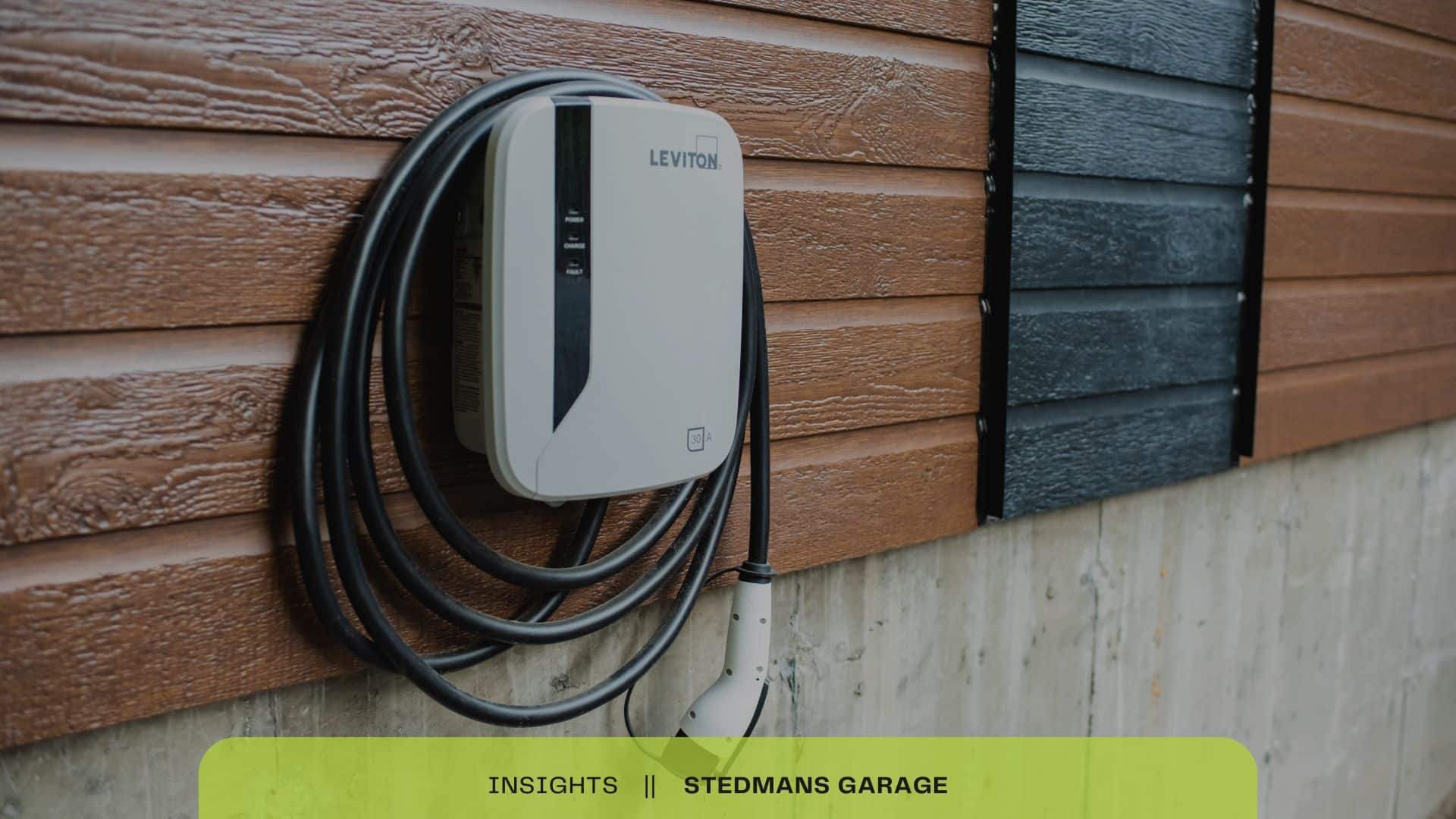
Having a home charging solution is one of the most effective ways to ensure your electric vehicle is always ready to go. Not only does this provide convenience, but it also allows drivers to take advantage of off-peak electricity rates, which can help in managing costs.
Optimising Home Charging
- Charge Overnight: Charging your EV overnight typically allows you to benefit from lower energy costs. Many energy providers offer reduced rates during off-peak hours, making this an economical choice.
- Smart Charging Solutions: Consider investing in a smart home charging unit that can schedule charging based on electricity tariffs or your vehicle’s charging needs.
- Regularly Monitor Battery Levels: Keeping an eye on your battery levels can help you determine when to charge and avoid any last-minute scrambles for power.
Public Charging Networks
Importance of Planning Longer Trips
For longer journeys, public charging stations become essential. Planning ahead can prevent range anxiety and ensure you have access to a charging point when needed.
Popular Charging Networks in the UK
- Pod Point: A widely used network with charging points across the UK. Many are located at supermarkets and shopping centres.
- ChargePoint: This network offers a range of fast chargers, making it easier for drivers to find a quick top-up.
- Tesla Superchargers: For Tesla owners, the Supercharger network provides rapid charging capabilities, allowing for longer trips with minimal downtime.
Accessories and Upgrades for Improved Range
Accessories to Enhance Range
Investing in certain accessories can help improve your electric vehicle’s efficiency and range. Here are a few options worth considering:
- Lightweight Wheels: Upgrading to lighter wheels can reduce the overall weight of the vehicle, thereby improving efficiency and range.
- Aerodynamic Kits: Installing aerodynamic enhancements like spoilers or underbody panels can reduce drag, allowing the vehicle to use less energy at higher speeds.
- Tyre Upgrades: Low rolling resistance tyres can significantly enhance the range by reducing the energy required to move the vehicle.
Government Grants and Incentives
The UK government offers various grants and incentives for EV owners looking to make upgrades. Research the latest schemes available, which may include financial support for home charging installations or grants for purchasing energy-efficient accessories.
Actionable Tips to Extend Electric Vehicle Range
To help UK electric vehicle owners maximise their range, here are some quick, actionable tips:
- Plan Your Journey: Use route planning apps to identify the most efficient paths, considering charging points along the way.
- Utilise Eco Driving Modes: Many EVs come equipped with eco driving modes that optimise performance for range.
- Regularly Check Tyres: Ensure that your tyres are properly inflated to reduce rolling resistance and improve efficiency.
- Limit Use of Accessories: Be mindful of heating, air conditioning, and other power-hungry accessories that can drain your battery.
- Stay Informed: Keep up-to-date with EV developments, as new technologies and strategies are constantly emerging to enhance electric vehicle range.
Conclusion
In summary, extending the range of your electric vehicle is essential for maximising efficiency and ensuring a hassle-free driving experience. By understanding the factors influencing range, adopting effective charging strategies, and modifying driving habits, UK electric vehicle owners can significantly enhance their EV experience.
As you embark on your electric driving journey, consider implementing the tips shared in this blog. Whether it’s adjusting your driving style, optimising your charging strategies, or exploring potential upgrades, taking these steps will not only improve your vehicle’s range but also contribute to a more sustainable future. Start maximising your electric vehicle’s range today for a more efficient and enjoyable driving experience!