Introduction
As the demand for electric vehicles (EVs) continues to rise in the UK, the Tesla Model 3 stands out as a leading option for consumers seeking a blend of performance, technology, and sustainability. This blog will provide an in-depth examination of the Tesla Model 3, exploring its features, common issues, and essential information that prospective buyers need to know. By the end of this article, readers will have a comprehensive understanding of what makes the Model 3 a compelling choice, alongside a realistic view of the challenges that may arise during ownership.
The purpose of this blog is to equip potential UK buyers with the knowledge necessary to make informed decisions about purchasing a Tesla Model 3. We will delve into its specifications, driving experience, interior features, common problems reported by owners, and the costs associated with owning this electric vehicle. Furthermore, we will explore the Model 3’s position in the UK market and provide actionable tips for those considering a purchase.
Overview of the Tesla Model 3

The Tesla Model 3 is an all-electric compact sedan that combines cutting-edge technology with impressive performance metrics. Launched in 2017, it has quickly become one of the most popular EVs in the UK and worldwide. The Model 3 is available in various configurations, including the Standard Range Plus, Long Range, and Performance models, each catering to different needs and preferences.
Specifications and Performance Metrics
The Tesla Model 3 boasts a range of specifications that make it an attractive option for UK drivers.
- Battery Life and Range: Depending on the model, the Model 3 offers a range between approximately 263 to 348 miles on a single charge. This range is particularly advantageous for long-distance travel and alleviates range anxiety, a common concern among electric vehicle users.
- Acceleration: One of the standout features of the Model 3 is its acceleration. The Performance model can go from 0 to 60 mph in just 3.1 seconds, delivering an exhilarating driving experience that rivals many traditional sports cars.
- Charging Options: The Model 3 can be charged at home using a standard wall outlet or a dedicated home charging station. Additionally, Tesla’s extensive Supercharger network allows for rapid charging on long journeys, making it practical for UK drivers.
Design Features
The design of the Tesla Model 3 is both modern and minimalist.
- Exterior: The sleek profile and aerodynamic design contribute to its efficiency and performance. Available in multiple colour options, the Model 3 appeals to a wide range of aesthetic preferences.
- Interior: Inside, the Model 3 is characterised by a spacious cabin and a large central touchscreen that controls almost all vehicle functions. This minimalist approach eliminates traditional buttons, presenting a clean and futuristic environment for drivers and passengers alike.
Unique Selling Points
In summary, the Tesla Model 3 offers a compelling package for UK consumers looking for an electric vehicle. Its impressive battery life, exhilarating performance, and cutting-edge technology make it a standout choice in the rapidly evolving EV market.
Key Features of the Tesla Model 3

Performance and Driving Experience
The driving experience in a Tesla Model 3 is unlike any other vehicle on the road.
Acceleration and Handling
- Acceleration: With its instant torque delivery, the Model 3 provides an unparalleled acceleration experience. In comparison to other electric vehicles in the UK, such as the Nissan Leaf or the Hyundai Kona Electric, the Model 3’s performance is superior, particularly in the higher-end models.
- Handling: The low centre of gravity, due to the floor-mounted battery, enhances the Model 3’s handling capabilities. It offers responsive steering and a comfortable ride, making it suitable for both urban driving and motorway cruising.
Comparison with Other Electric Vehicles
When comparing the Model 3 with competitors like the Audi e-tron GT or the BMW i4, it becomes evident that the Model 3 excels in terms of range and price-to-performance ratio. While the Audi and BMW models may offer luxury features, the Model 3’s combination of performance and affordability makes it a more attractive option for many UK buyers.
Interior and Technology
The interior of the Tesla Model 3 is designed with user experience in mind.
Infotainment System
- Central Touchscreen: The 15-inch touchscreen is the heart of the Model 3’s controls. It provides access to navigation, entertainment, and vehicle settings, reducing driver distraction by consolidating controls in one location. However, some users have reported a learning curve when transitioning from traditional button-based systems.
- Driver Assistance Features: The Model 3 comes equipped with Tesla’s Autopilot, which includes advanced driver-assistance features like adaptive cruise control and lane-keeping assist. While these features enhance safety and convenience, some drivers may find them overwhelming or may not fully trust the technology.
Advantages and Disadvantages of Technology
Advantages:
- Seamless software updates that improve performance and introduce new features over time.
- High-quality sound system and connectivity options for music and navigation.
Disadvantages:
- Reliance on the touchscreen can be distracting for some drivers.
- The absence of physical buttons for essential functions may not appeal to everyone.
Common Issues with the Tesla Model 3

Despite its many advantages, the Tesla Model 3 has faced its share of common issues reported by UK owners.
Software Glitches
One of the most frequently reported problems involves software glitches, which can affect the infotainment system’s responsiveness. While Tesla regularly pushes software updates to address these issues, some users have experienced frustrating delays in system performance.
Battery Concerns
Battery performance is often a significant concern for electric vehicle owners. Some Model 3 owners have reported a decrease in battery range over time. However, Tesla’s battery technology is designed for longevity, and many users still find their vehicles perform well even after several years of use.
Build Quality
Reports of inconsistent build quality have also surfaced, with some owners noting issues such as panel gaps or paint imperfections. While these concerns may seem minor, they can impact the overall ownership experience. It is advisable for prospective buyers to conduct a thorough inspection before purchasing a used Model 3.
Supporting Data
According to a recent survey conducted by the Electric Vehicle Association, approximately 15% of Tesla owners reported experiencing software issues within the first year of ownership. This statistic highlights the importance of understanding potential drawbacks before making a purchase.
Maintenance and Ownership Costs

Owning a Tesla Model 3 comes with unique maintenance and ownership costs that potential buyers should consider.
Maintenance Requirements
- Regular Software Updates: Tesla vehicles require minimal mechanical maintenance compared to traditional cars. However, regular software updates are crucial for ensuring optimal performance and safety features.
- Tire Maintenance: Due to the Model 3’s weight and performance capabilities, tire maintenance is essential. Owners should budget for regular tire rotations and replacements to maintain driving performance.
Typical Costs
When comparing ownership costs, the Tesla Model 3 generally incurs lower expenses than traditional petrol or diesel vehicles. According to recent figures, the average annual maintenance cost for a Tesla is approximately £400, which is significantly lower than the £800 to £1,200 typically spent on conventional cars.
Comparison with Traditional Vehicles
In addition to maintenance costs, the cost of electricity for charging a Tesla Model 3 is often less than petrol or diesel. With an average cost of £0.14 per kWh in the UK, charging a Model 3 can amount to approximately £6-£8 for a full charge, providing a cost-effective alternative for daily commuting.
Tesla Model 3 in the UK Market
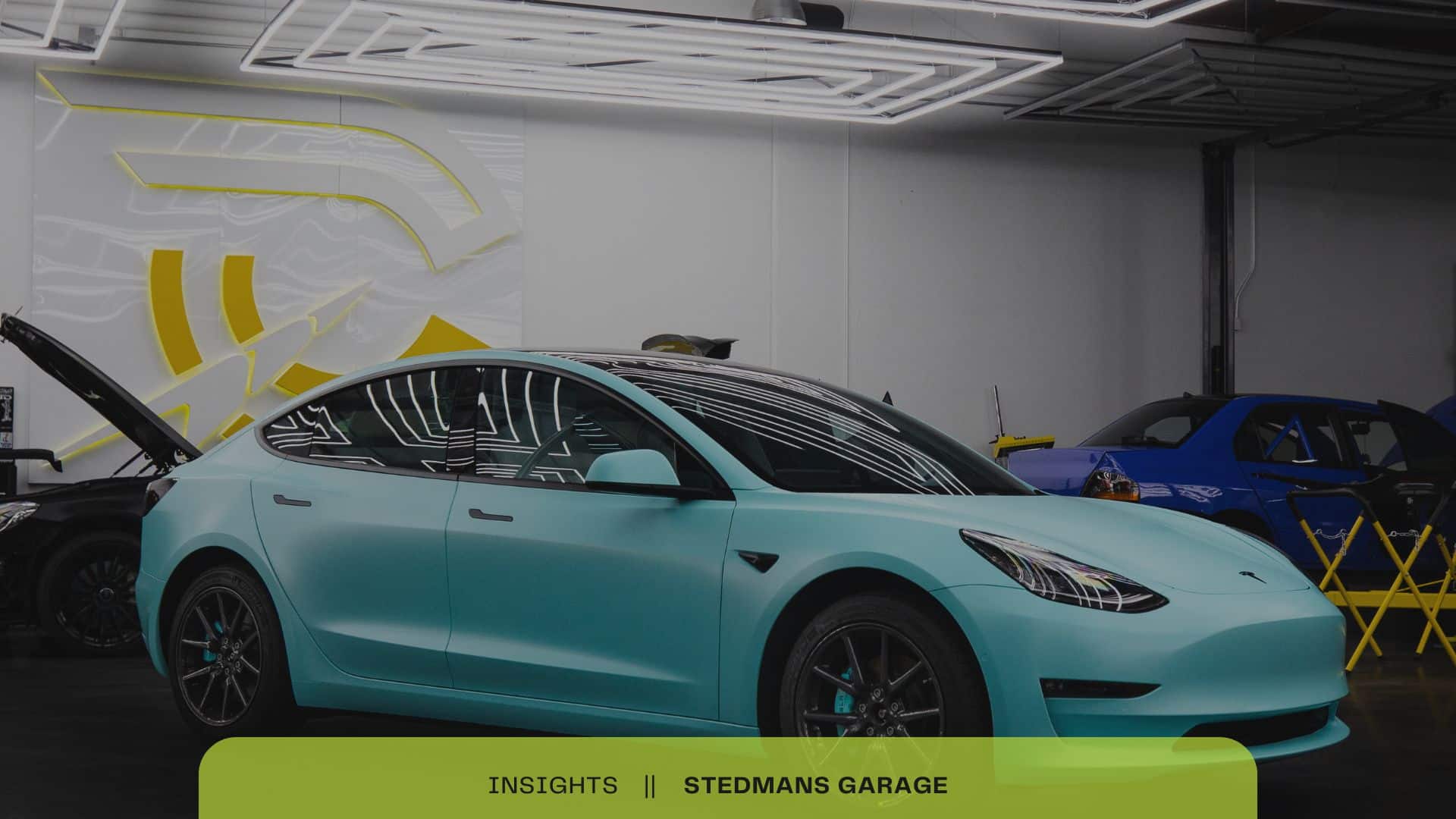
The market position of the Tesla Model 3 reflects its popularity and the growing acceptance of electric vehicles in the UK.
Sales Figures and Customer Satisfaction
Since its launch, the Model 3 has consistently ranked as one of the best-selling electric vehicles in the UK. In 2022 alone, Tesla sold over 30,000 Model 3 units, accounting for a significant percentage of the UK’s EV market. Customer satisfaction ratings are also high, with many owners praising the vehicle’s performance and technology features.
Government Incentives for Electric Vehicles
The UK government has introduced several incentives to encourage electric vehicle adoption, including grants for EV purchases and tax exemptions. These incentives can significantly reduce the overall cost of purchasing a Tesla Model 3, making it a more accessible option for UK consumers.
Actionable Tips Section
For those considering purchasing a Tesla Model 3, here are some actionable tips to ensure a successful buying experience:
1. Test Driving Tips
- Schedule a Test Drive: Before committing to a purchase, schedule a test drive at a local Tesla showroom. This will give you an opportunity to experience the driving dynamics and technology firsthand.
- Assess Comfort and Space: During the test drive, pay attention to the comfort of the seating and the spaciousness of the cabin. Ensure it meets your needs for both daily driving and longer trips.
2. Understanding Financing Options
- Explore Financing Options: Tesla offers various financing options, including leasing and loans. Research these options to find the best fit for your financial situation.
- Consider Trade-In Value: If you currently own a vehicle, consider its trade-in value, which can significantly reduce the upfront cost of your new Tesla Model 3.
3. Resources for Ongoing Support
- Join Tesla Communities: Engage with local Tesla communities or online forums for ongoing support and advice from current owners. These resources can provide valuable insights into ownership experiences and best practices.
- Stay Informed on Updates: Keep abreast of software updates and new features released by Tesla. Regularly checking Tesla’s official website or app will ensure you are always informed about your vehicle’s capabilities.
Conclusion
The Tesla Model 3 represents a significant advancement in electric vehicle technology and offers UK consumers a compelling blend of performance, technology, and sustainability. By understanding the features, common issues, and overall ownership costs, potential buyers can make informed decisions about this popular electric vehicle. With the growing acceptance of EVs and advantageous government incentives, now is an excellent time to explore the possibilities of the Tesla Model 3.
We encourage you to delve deeper into your options with the Tesla Model 3 and consider joining the electric vehicle revolution today! Whether you choose to visit a showroom, schedule a test drive, or explore financing options, you are taking a step towards a more sustainable future.