Is There a BMW Timing Chain Replacement Interval?
In most cases, no. A timing belt is changed on a schedule set for each engine, but a BMW timing chain is designed to last the life of the engine, and BMW does not list a set mileage for replacing it in its normal servicing. Any single figure quoted as the BMW timing chain replacement interval is an estimate rather than a BMW service item, so treat it with caution.
In practice a chain is replaced on condition. The decision depends on which engine is in the car, how it has been maintained and whether it is showing signs of wear. Your service book shows what BMW lists for your model, and a garage can confirm the engine from the registration.
Overview of Timing Chain Function in BMW Engines
The timing chain in BMW engines connects the crankshaft to the camshaft, ensuring the precise synchronisation necessary for optimal engine performance. This synchronisation is critical because it dictates the exact timing for opening and closing the engine valves, directly influencing the engine’s power, efficiency, and smoothness. Unlike timing belts, timing chains are typically more durable and designed to last longer, often considered a “lifetime” component by many manufacturers, including BMW. However, improper maintenance and certain design flaws can lead to premature failure.

When to Replace a BMW Timing Chain
When an Inspection Confirms Wear
A chain is due when an inspection shows that it has stretched, or that its guides or tensioner have worn, rather than when the car reaches a particular mileage. Wear builds up gradually, and it is faster on engines with a known weakness or a patchy oil change history. Chains, guides and tensioners are normally replaced together, because a new chain running on worn parts will not last.
When Warning Signs Appear
A rattle on a cold start, rough running, a loss of power or a camshaft or crankshaft fault code are all reasons to have the chain checked straight away, whatever the mileage. Our guide to BMW timing chain problems and failure symptoms explains each of them.

Timing Chain Replacement on the BMW 320d, X1 and X3
The 320d, X1 and X3 are the models owners ask about most. The answer on replacement is the same as for any other BMW, because there is no published mileage, but the engine fitted decides how closely the chain should be watched.
320d, X1 and X3 Diesels (N47)
The N47 2.0-litre diesel was fitted to the 320d and to diesel versions of the X1 and X3 from the late 2000s to the mid 2010s. Its chain sits at the rear of the engine, so the engine usually has to come out to replace it. N47 chains have a record of wearing early, which makes a rattle from the back of the engine a reason to book an inspection rather than wait. Where the chain has stretched, replacing it before it fails is far cheaper than repairing the engine afterwards.
The 320d engines most often discussed are:
- The BMW 320d 2.0 Diesel N47D20A
- The BMW 320d 2.0 Diesel N47D20C
X1, X3 and 3 Series Petrols (N20)
The N20 2.0-litre turbo petrol was used in petrol X1 and X3 models and in 3 Series cars such as the 328i. Its weak point is the plastic chain guides, which can break up. BMW later redesigned them, so engines built up to about early 2015 are the ones to have checked first, and replacing the chain and guides together is the usual fix once wear is found.

How a Garage Decides the Chain Is Due
Professional Diagnostic Techniques
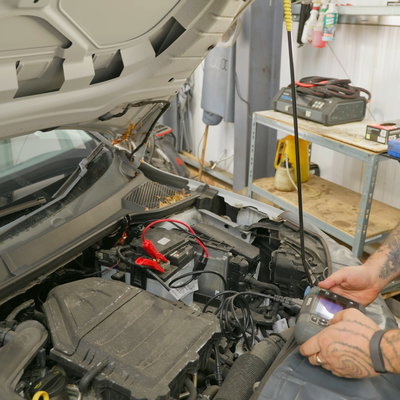
Consulting a professional mechanic for a thorough inspection is essential for confirming timing chain issues. Experienced technicians employ a multitude of tools and methods to diagnose the problem accurately. One common method is the use of a two-channel lab scope to examine the correlation between camshaft and crankshaft position sensors. In a healthy engine, these sensors’ signals align perfectly. Any misalignment may indicate timing chain elongation or failure.
Visual inspections are also crucial. Mechanics often look for signs of wear on timing chain guides and tensioners. Advanced diagnostic tools can further identify issues that may not be immediately visible, such as measuring the chain’s stretch and slack.

How to Make a BMW Timing Chain Last Longer
Importance of Using the Correct Engine Oil
Using the appropriate engine oil is critical to the longevity of the timing chain. Modern vehicles, especially BMWs, require synthetic oil because it ensures proper oil flow and pressure, which is vital for minimising timing chain wear. Synthetic oils provide superior lubrication and stability across a range of temperatures compared to conventional oils. This choice of oil helps reduce overall engine component wear and is particularly important for maintaining the condition of the timing chain. Consistently using high-quality synthetic oil can prevent sludge, varnish, and oil deposits, further safeguarding the timing chain’s operational integrity.
Regular Inspections and Maintenance Checks
Regular maintenance checks are essential for the longevity of the timing chain and the engine as a whole. BMW does not set a mileage for inspecting the chain either, so the sensible approach is to have it looked at whenever a warning sign appears, and on the engines above whenever the car is in for major work.
- Follow the oil service schedule for your car, and ask about an earlier oil change if it mostly does short journeys.
- Use only the manufacturer-recommended synthetic oil.
- Listen for a rattle on cold starts and have any noise checked promptly.
- Replace the chain, guides and tensioner when an inspection shows they are worn.
What Timing Chain Replacement Involves
Replacing a timing chain is a specialist job. The timing cover has to come off to reach the chain, and on engines with the chain at the rear the engine usually has to be removed first. The chain is replaced along with the guides and tensioner, the timing is set and the seals are renewed before the engine is rebuilt and tested. How long it takes depends on the engine.
Potential Consequences of Delayed Repairs
Leaving a worn chain in service is a gamble. On an interference engine a chain that snaps can let the pistons hit open valves, causing bent valves, cracked pistons and a damaged cylinder head, so a job that could have been a planned replacement becomes an engine rebuild.

Conclusion: Protecting Your BMW’s Engine
There is no fixed BMW timing chain replacement interval to work to, so condition decides. Regular oil changes with the correct oil, attention to warning signs and an inspection on the engines with a known weakness are what protect the engine.
Our BMW specialists in Worthing can inspect the chain and tell you whether it needs replacing. Contact us to arrange a check.