The Cupra Leon, a performance-focused variant of the SEAT Leon, attracts automotive enthusiasts and everyday drivers alike, thanks to its stylish design, fuel efficiency, and exhilarating driving experience. But beneath its sleek exterior and sporty performance lies a sophisticated engine management system, prominently featuring the turbocharger, an integral component in achieving robust engine performance. Understanding “Cupra Leon Turbo Failure” and the intricacies of boost leaks under load is crucial for owners seeking reliability and optimal performance.
Understanding Turbo Failure in the Cupra Leon
What is Turbo Failure?
Turbo failure refers to a malfunction of the turbocharger, which can lead to various performance issues and even engine damage if left unaddressed. In the Cupra Leon, turbo failure often manifests when the unit can no longer compress air effectively, leading to a loss of power, increased emissions, and several complications. Common OBD-II error codes associated with turbo failures include P0299, which indicates a turbo/supercharger underboost condition, and P00AF, signalling an unspecified turbo boost control malfunction.
How Turbochargers Work
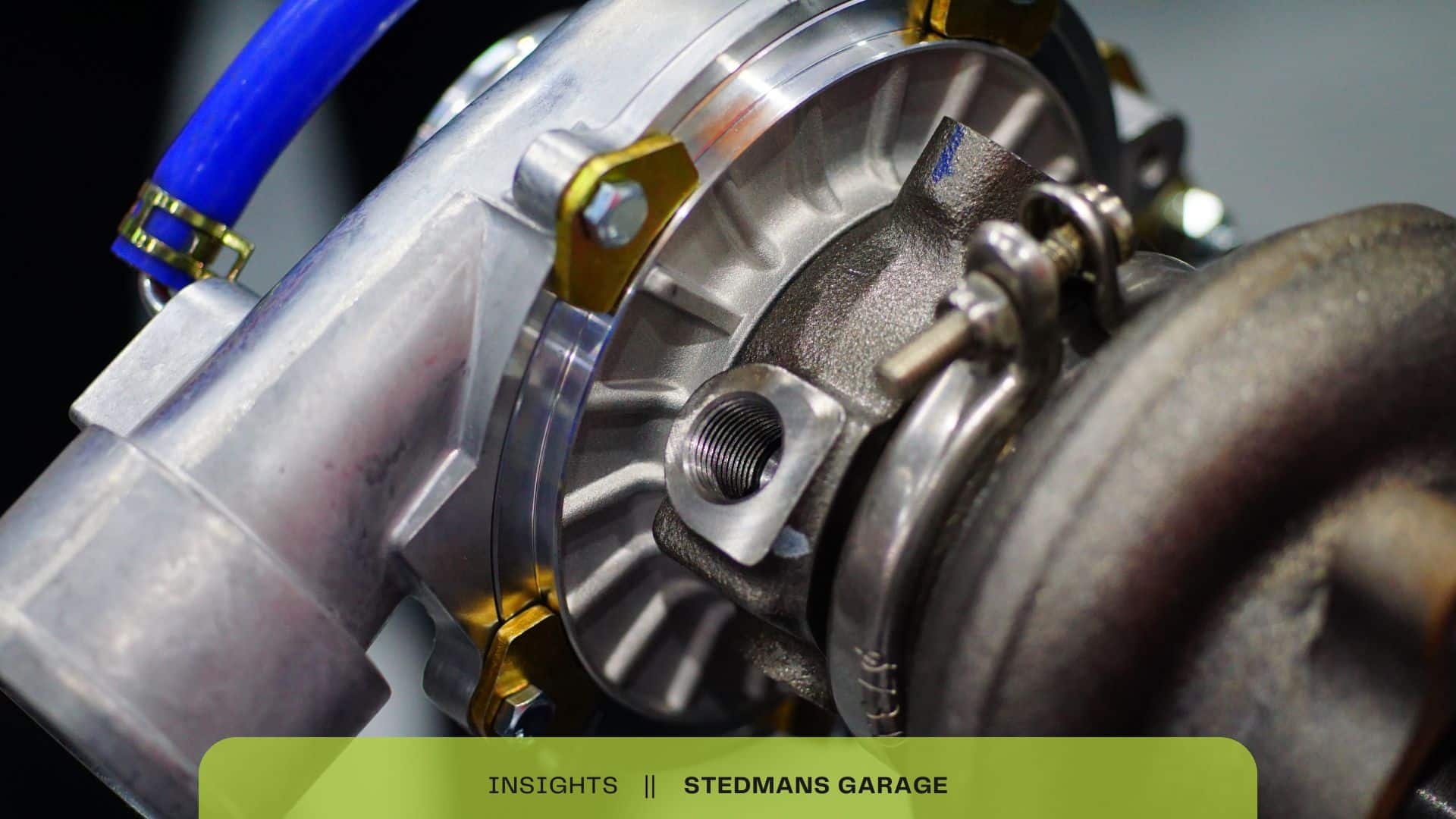
Turbochargers use exhaust gases to spin a turbine connected to a compressor. This action forces more air into the engine, allowing for a richer fuel mixture that enhances combustion and boosts overall power output. The Cupra Leon features a sophisticated turbocharging system designed to maximise engine efficiency while minimising lag, an essential aspect of sporty performance.
Key Components of a Turbocharger
Familiarity with the components involved in the turbocharging process is crucial for diagnosing potential failures:
- Compressor: Takes in ambient air and compresses it before sending it to the engine’s intake manifold.
- Turbine: Converts the energy from exhaust gases into mechanical energy that spins the compressor.
- Wastegate: Regulates turbo speed by diverting exhaust flow, preventing excessive boost pressure.
- Intercooler: Reduces the temperature of compressed air, allowing denser air into the engine.
- Diverter Valve: Maintains boost pressure by recirculating air; a faulty diverter valve can lead to boost leaks.
Recognising these components and their interactions aids in identifying potential failure points.
Symptoms Indicating Turbo Failure
Drivers should be vigilant for the following signs of turbo failure:
- Loss of Power: Significant reductions in acceleration or overall power output may signal a malfunctioning turbocharger.
- Unusual Noises: Whining or grinding sounds may indicate worn bearings or internal damage within the turbo.
- Excessive Exhaust Smoke: Blue or black smoke from the exhaust might suggest oil burning or incomplete combustion.
- Check Engine Light: OBD-II error codes, such as P0299 and P00AF, may trigger warning lights on the dashboard.
Being aware of these signs is crucial for timely intervention and repair.
Common Causes of Turbo Failure
Several factors can precipitate turbo failure in the Cupra Leon. Awareness of these causes can help owners prevent costly repairs and keep their turbocharger functional and efficient.
- Maintenance Neglect: Regular maintenance is essential. Skipping oil changes can lead to oil sludge accumulation, compromising lubrication and causing overheating. Neglecting filter changes can introduce contaminants into the turbo system, accelerating wear.
- Oil Contamination: Using poor-quality oil or incorrect viscosity can contribute to turbocharger wear. Contaminants like dirt and metal particles can lead to failures in bearings and seals, resulting in catastrophic failure under load.
- Overheating: Turbochargers operate under high temperatures; overheating can silently threaten performance. Conditions such as excessive boost pressure, inadequate oil supply, or failing cooling systems can lead to thermal failure.
- Diverter Valve Failure: The diverter valve is crucial for maintaining boost pressure. If it fails to recirculate air properly, it can lead to a loss of boost. Regular checks of this valve are vital for optimal turbo function.
- Actuator Issues: The actuator controls the wastegate. A malfunctioning actuator can cause overboost or underboost conditions, putting the turbo at risk of damage. Keeping an eye on this component can help avoid turbo-related issues.
- Carbon Buildup: Carbon accumulation in the intake and turbocharger can restrict airflow and severely affect performance. If left unchecked, this can lead to turbo failure. Regular inspections and cleanings can help mitigate this risk.
- Vacuum Line Leaks: Vacuum lines play a vital role in maintaining turbo pressure. Leaks here can adversely affect turbo performance, leading to reduced efficiency and potential damage.
- Foreign Object Damage: Road debris or malfunctioning components can introduce foreign objects into the turbo system, resulting in damage or performance issues.
- Exhaust Leaks: An exhaust leak upstream of the turbo can hinder adequate exhaust flow, which is essential for maintaining turbo speed and pressure. Over time, this can lead to turbo failure as the system works harder than necessary.
Addressing these issues promptly is vital to prevent further complications and extend the turbo’s life.
Exploring Boost Leaks
What are Boost Leaks?
Boost leaks occur when there are unintended gaps in the intake system that allow compressed air to escape before reaching the engine. In the Cupra Leon, such leaks can significantly undermine the efficiency of the turbocharger.
Causes of Boost Leaks
- Worn or Damaged Hoses: Over time, vacuum or boost hoses may deteriorate, leading to leaks.
- Loose Connections: Inadequately tightened clamps and connections can enable air to escape.
- Faulty Intercoolers: Cracks in the intercooler can lead to significant power loss and should be regularly inspected.
Identifying Boost Leaks
Drivers should know how to identify the presence of boost leaks:
- Pressure Testing: A common technique where compressed air is introduced into the intake system, and any drops in pressure are monitored.
- Visual Inspection: A thorough inspection of hoses and connections for signs of physical wear or damage.
- Listening: Unusual hissing sounds during acceleration may indicate a boost leak.
Effects on Engine Performance
Boost leaks directly impact engine performance, leading to:
- Reduced Power Output: Insufficient air pressure results in a leaner fuel-to-air mixture, causing poor acceleration.
- Increased Turbo Lag: Compromised turbo response time leads to a less engaging driving experience.
- Poor Fuel Efficiency: An inefficient engine translates to higher fuel consumption.
Understanding boost leaks is crucial for diagnosing performance issues and ensuring optimum turbocharger function.
Signs and Symptoms of Turbo Failure and Boost Leaks
Performance Indicators
Recognising symptoms of turbo failure and boost leaks can prevent significant engine damage:
- Reduced Power Output: Noticeable loss of power during acceleration, particularly under load.
- Changes in Engine Noise: Loud whining or rattling sounds during acceleration may indicate potential turbo issues.
- Warning Lights: The check engine light or other indicators might signal turbo inefficiencies demanding investigation.
By familiarising oneself with these signs, drivers can act swiftly when issues arise.
Preventive Measures for Longevity
Routine Maintenance
Keeping the turbocharger and related systems well-maintained is the most effective way to prevent failure. Essential practices include:
- Regular Oil Changes: Follow manufacturer recommendations for oil changes to reduce oil contamination and wear.
- Inspect Hoses and Connections: Periodically check the intake system to spot weak or damaged points before they escalate.
Quality Parts
Utilising high-quality OEM or reputable aftermarket components during repairs is critical, as quality parts enhance performance and longevity.
Monitoring Turbo Performance
Using tools like boost controllers or gauges can help monitor turbo performance in real time, enabling early detection of issues.
Address Small Problems Quickly
If minor symptoms of turbo failure or boost leaks manifest, addressing these promptly can prevent costly repairs down the line.
Conclusion
Understanding “Cupra Leon Turbo Failure” and the implications of boost leaks is essential for any Cupra Leon owner or enthusiast focused on maximising performance. Ensuring all turbo system components work effectively together is key to efficient operation. By familiarising themselves with the symptoms, root causes, and preventive measures provided in this blog, as well as specific issues like diverter valve malfunctions and carbon buildup, drivers can optimise their vehicle’s performance and reliability, enhancing their overall driving experience.
Proactive management and an attentive eye for signs of trouble will keep the Cupra Leon confidently roaring down the road. Start prioritising your turbocharger maintenance today for an unmatched driving experience!