Introduction
For UK MINI owners, maintaining your car’s performance and reliability is paramount. One critical component that can significantly affect your vehicle’s operation is the timing chain. Timing chain issues can lead to serious engine problems if not diagnosed and repaired promptly. This blog post delves into the complexities surrounding MINI timing chain issues, providing essential tips for diagnosis and repair aimed specifically at MINI owners, automotive enthusiasts, and mechanics.
By understanding the role of the timing chain, identifying symptoms of potential failure, and knowing when to perform repairs, you can save yourself time and money down the line. We’ll explore actionable maintenance tips, enabling you to keep your MINI running smoothly. Join us as we navigate the intricacies of timing chain repair, ensuring your vehicle remains in optimal condition.
Understanding Timing Chains and Their Role in MINIs
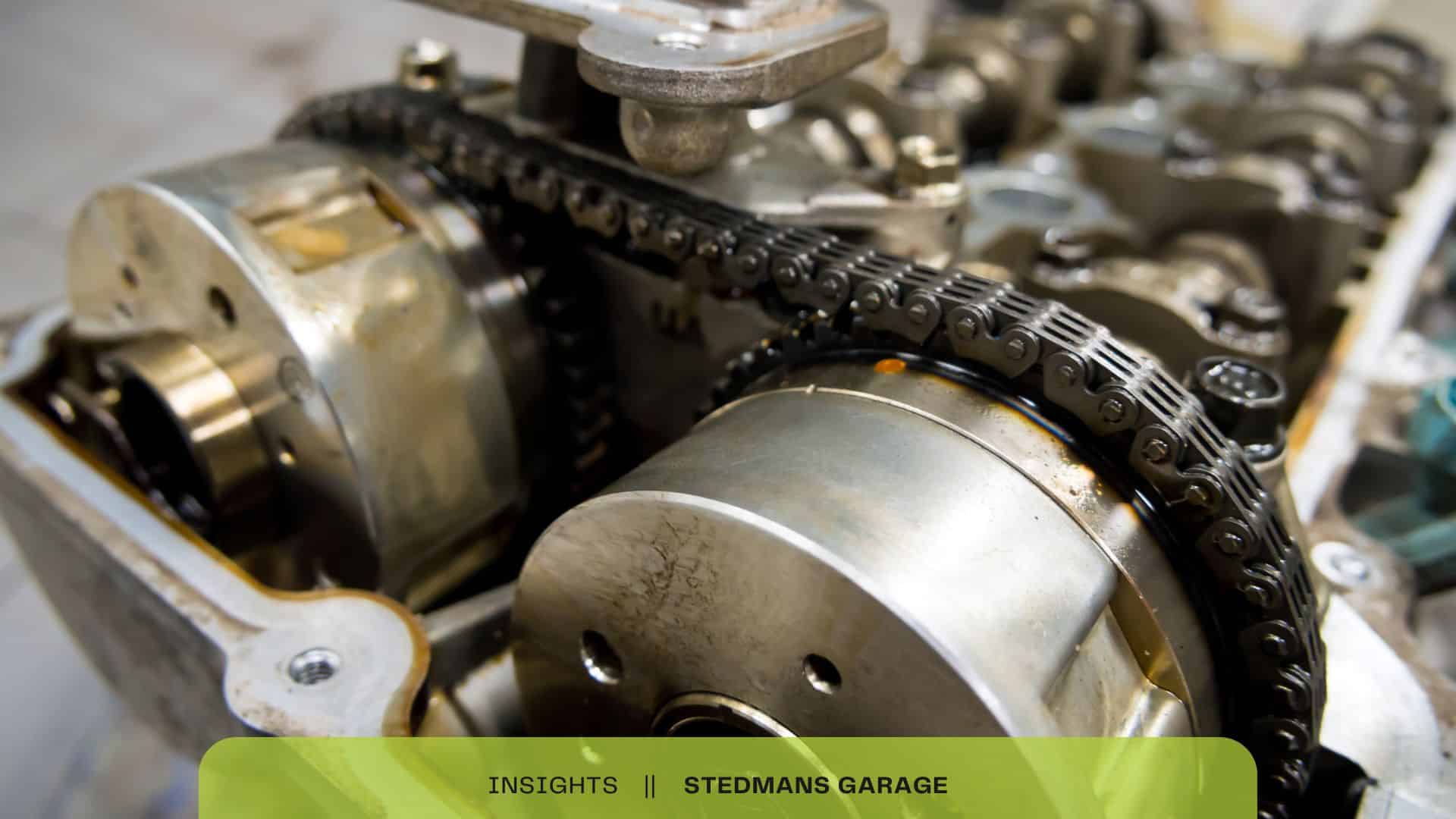
What is a Timing Chain?
A timing chain is a crucial component found in the engines of many vehicles, including MINIs. Its primary function is to synchronise the rotation of the crankshaft and camshaft(s), ensuring that the engine’s valves open and close at the correct times during each cylinder’s intake and exhaust strokes. This precise coordination is vital for both efficient engine performance and good fuel economy.
Timing Chains vs. Timing Belts
While timing chains and timing belts serve similar purposes, they have notable differences. Timing belts are typically made of rubber and can wear out over time, usually needing replacement every 60,000 to 100,000 miles. In contrast, timing chains are made of metal and are generally more durable, designed to last the life of the engine. However, MINI timing chain issues can still arise from factors such as poor maintenance or a failure in the tensioner or guides.
Advantages of Timing Chains:
- Durability: Often outlast the engine itself.
- Reliability: Less prone to failure compared to timing belts.
Disadvantages of Timing Chains:
- Complex Repair: Labour-intensive replacement can be costly if issues arise.
- Potential for Noise: Can create rattling sounds if not correctly tensioned.
Understanding these differences is essential for MINI owners. Neglecting the condition of the timing chain can lead to catastrophic engine damage.
Common Symptoms of Timing Chain Failure in MINIs

Engine Noise and Rattling Sounds
One of the first signs of potential timing chain issues is strange noises emanating from the engine. If you notice a rattling sound, especially when starting the engine or accelerating, it could indicate that the timing chain has loosened or that the tensioner has failed. This noise occurs because the chain may not be adequately tensioned, causing it to hit against engine components.
Practical Example: A UK MINI owner noticed an unsettling rattling sound during cold starts, prompting them to inspect the engine. They discovered that the timing chain had begun to wear, requiring immediate attention to prevent further damage.
Engine Misfire or Poor Performance
If your MINI experiences frequent misfires or a noticeable drop in performance, it could be linked to timing chain issues. As the timing chain stretches, the timing of the engine’s valves can be affected, leading to poor combustion and misfires. This situation can result in reduced fuel efficiency and increased emissions if left unaddressed.
Warning Lights and Diagnostics
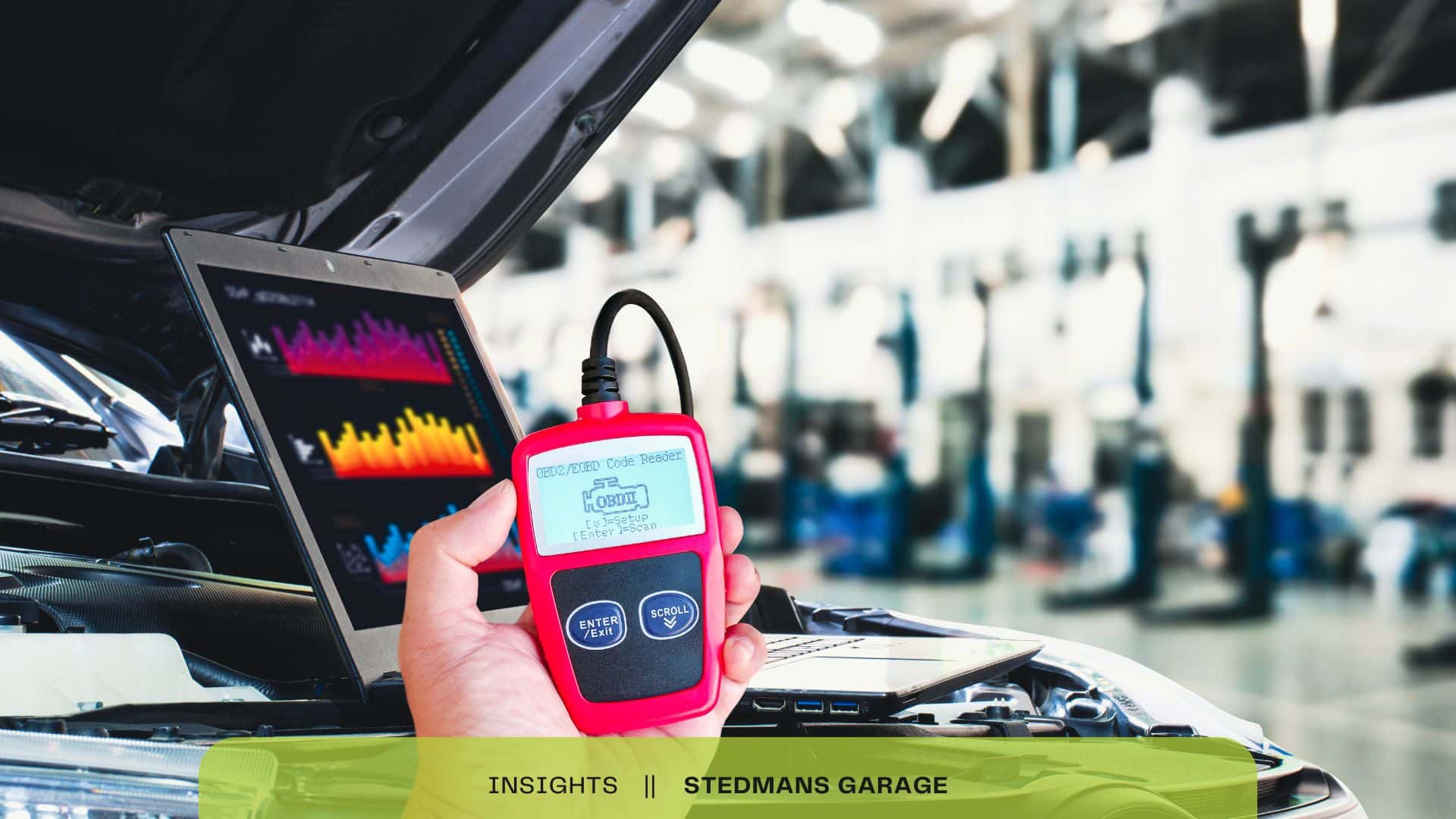
Modern MINIs are equipped with advanced onboard diagnostics (OBD) systems that can alert you to potential engine problems via warning lights. If you see the “Check Engine” light or any other warning related to engine performance, it may be associated with timing chain issues. Using a diagnostic scanner can help pinpoint the exact cause, allowing you to take appropriate action before the problem escalates.
Diagnosing Timing Chain Issues in Your MINI
Step-by-Step Diagnosis
To effectively diagnose potential timing chain problems in your MINI, follow these steps:
- Listen for Unusual Noises: Start by listening for rattling or slamming noises when the engine is running.
- Check for Engine Performance Issues: Monitor your vehicle for signs of misfiring or loss of power during acceleration.
- Inspect Dashboard Warnings: Look for any warning lights on the dashboard that alert you to engine complications.
- Perform a Visual Inspection:
- Open the bonnet and locate the cover over the timing chain.
- Look for any signs of oil leakage, which could suggest a failing gasket or chain tensioner.
- Use Diagnostic Tools:
- Employ an OBD-II scanner to retrieve any error codes related to timing or engine performance.
- Check specifically for codes such as P0008 or P0009, which indicate timing issues.
Tools You Might Need:
- OBD-II Diagnostic Scanner
- Torque Wrench
- Basic Hand Tools for Engine Cover Removal
Real-World Case Studies
Consider the case of a MINI Cooper owner in London who experienced multiple issues, including loud engine noises and poor acceleration despite regular maintenance. Upon diagnostic testing, their vehicle reported errors consistent with timing chain tension issues. Investigation revealed that the chain had stretched beyond acceptable limits, resulting in significant repair work.
Repairing Timing Chain Problems: DIY vs Professional Help
When to Attempt DIY Repairs
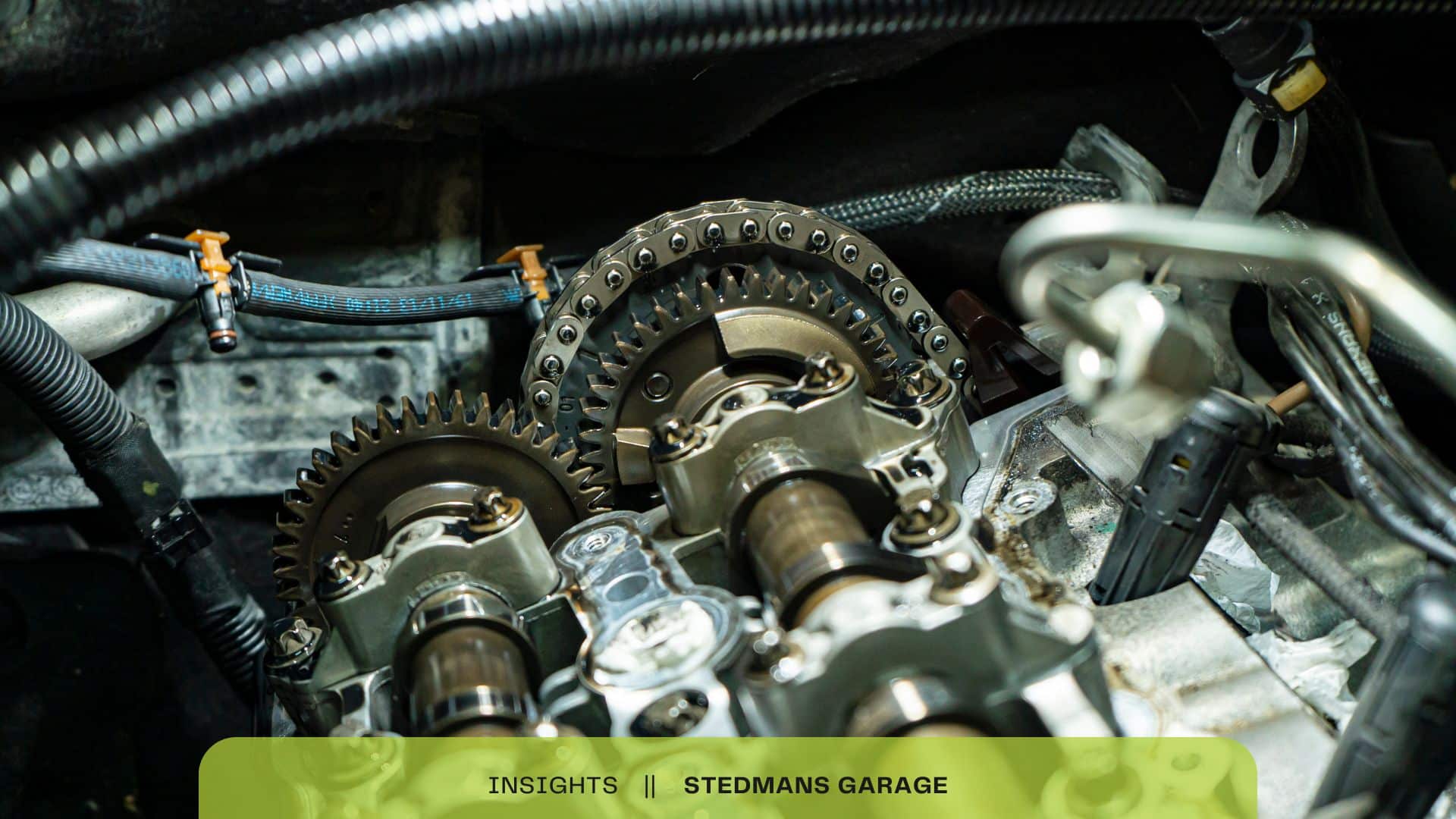
While some MINI timing chain issues may seem straightforward and manageable for experienced DIYers, others can be complex and require a professional’s expertise. Here are some guidelines to consider:
DIY Repairs:
- If you have a solid understanding of engine mechanics and possess the necessary tools, you might attempt to replace a timing chain tensioner or guide.
- For minor adjustments or troubleshooting before a full diagnosis, such as inspecting chain tension or play.
Professional Help:
- If significant symptoms are present, or your MINI exhibits signs of major timing chain failure (like skipping or excessive noise), seek professional assistance.
- Complex DIY repairs may put your vehicle at risk for further damage, leading to higher repair costs.
Cost Considerations
Timing chain repair costs can vary widely; a professional repair may range from £500 to over £1,500, depending on the specific model and extent of damage. Investing in quality repairs is essential, particularly considering the complexities of timing chain issues.
Preventative Measures and Maintenance Tips for MINI Owners
Actionable MINI Maintenance Tips
To ensure the longevity of your timing chain, consider the following maintenance tips:
- Regular Oil Changes: Change your engine oil at regular intervals (typically every 10,000 to 15,000 miles). Clean oil lubricates the chain, reducing wear and tear.
- Check Tension Regularly: Conduct periodic checks on the timing chain tension and adjust if necessary.
- Inspect for Leaks: Regularly check for oil leaks around the timing chain cover and tensioner. Oil loss can lead to inadequate lubrication and increased wear.
- Listen for Signs: Be attentive to any unusual noises and address them immediately. Early diagnosis is crucial to preventing severe issues.
- Follow Manufacturer’s Recommendations: Always adhere to the MINI service guidelines and maintenance schedules outlined in your owner’s manual.
Immediate Steps If You Suspect Timing Chain Issues
If you’re concerned about timing chain issues in your MINI, take the following steps immediately:
- Monitor Engine Sounds: Pay attention to any rattling or unusual noises from the engine.
- Check Performance Regularly: Observe how your MINI responds during drives; log any instances of misfiring.
- Retrieve Diagnostic Codes: Use an OBD-II scanner to check for diagnostic codes related to the engine.
- Perform Visual Inspections: Open the bonnet and visually inspect the timing chain area for any leaks or signs of damage.
- Schedule a Professional Consultation: If issues persist, consult a certified mechanic for a detailed inspection.
- Follow Maintenance Checks: Ensure regular checks as part of your maintenance routine.
Conclusion
In conclusion, understanding and addressing MINI timing chain issues is vital for maintaining your vehicle’s health and performance. By recognising the symptoms of timing chain failure early and weighing your options for repair, whether through DIY methods or professional service, you take proactive steps toward protecting your investment. Regular maintenance, including timely oil changes and attentive listening for engine noises, will help prolong the life of your timing chain.
Don’t wait for the problem to escalate; monitor your MINI’s performance and seek assistance if you notice any warning signs. Regular upkeep and attentive care can save you significant hassle and expense in the long run. Start today by giving your timing chain the attention it deserves!