The BMW 3 Series have long been prized possessions for automotive enthusiasts and everyday drivers alike. Among its many iterations, the E90 and E91 models stand out, particularly for their performance and engineering. However, lurking beneath their sleek exteriors is a critical component: the timing chain of the N47 engine, which can lead to significant issues if not properly maintained. This blog aims to illuminate the intricacies of timing chain failures in BMW 3 Series E90 and E91 N47 engines, targeting BMW owners, enthusiasts, and potential buyers who may be considering these models.
In this post, we will explore the history and significance of the E90 and E91 models, explain the timing chain system, identify common causes and symptoms of timing chain failure, discuss the consequences of neglecting maintenance, and finally, provide actionable insights on diagnosis and replacement. By the end, you will understand the importance of proactive maintenance to ensure the reliability of your BMW 3 Series.
Overview of the BMW 3 Series E90/E91

The BMW 3 Series has long been synonymous with luxury and performance. The E90 (sedan) and E91 (estate) models, produced from 2005 to 2013, represent a pivotal generation that balances sporty driving dynamics with practicality. In the UK, these models have garnered a strong following, thanks to their engaging handling and advanced technology.
The E90 and E91 models are equipped with various engine options, but one of the most notable is the N47 engine. This 2.0-litre inline-four diesel engine is celebrated for its fuel efficiency and performance. The N47 engine incorporates innovative technologies such as common rail fuel injection and a variable geometry turbocharger, which deliver an impressive driving experience. However, beneath its robust design lies a timing chain system that has attracted scrutiny due to its susceptibility to failure.
N47 Engine Specifications
The N47 engine is renowned for its robust construction and efficiency. It features:
- Displacement: 1995 cc
- Power Output: Ranges from 115 to 177 hp, depending on the variant
- Torque: Up to 400 Nm, providing excellent low-end power
- Fuel Economy: Approximately 50–60 mpg, making it a popular choice for those prioritising efficiency
Despite its strengths, the N47 engine has been associated with timing chain issues that can lead to severe engine damage if not addressed.
The Timing Chain System Explained

What is a Timing Chain?
A timing chain is a crucial component of an internal combustion engine, responsible for synchronising the rotation of the crankshaft and camshaft(s). This ensures that the engine’s valves open and close at the correct times during each cylinder’s intake and exhaust strokes. Unlike a timing belt, which is typically made of rubber and requires periodic replacement, a timing chain is made of metal and is designed to last longer.
Differences Between Timing Chains and Timing Belts
- Durability: Timing chains generally last longer than belts and are less prone to wear.
- Maintenance: Timing belts require regular replacement (typically every 60,000 to 100,000 miles), while timing chains are often considered maintenance-free, although they do require regular oil changes to ensure lubrication.
- Construction: Timing chains are more robust due to their metal composition, while belts are more susceptible to wear and tear.
Importance of Timing Chain Maintenance
While timing chains are built to withstand the rigours of engine operation, they are not immune to wear. Regular maintenance is crucial for ensuring the longevity and reliability of the timing chain system.
Implications of Timing Chain Wear and Failure
- Engine Performance: A worn timing chain can lead to poor engine performance, affecting acceleration and fuel efficiency.
- Engine Damage: If the timing chain fails, it can cause catastrophic engine damage, leading to costly repairs.
- Increased Emissions: A malfunctioning timing chain can result in improper combustion, leading to higher emissions and potential MOT failures.
Recommended Maintenance Intervals for N47 Engines
For the BMW N47 engine, it is recommended to adhere to the following maintenance practices:
- Regular Oil Changes: Change the engine oil every 10,000 miles or annually, using high-quality oil to ensure proper lubrication of the timing chain.
- Timing Chain Inspection: Have the timing chain inspected every 60,000 miles for signs of wear or slack.
Common Causes of Timing Chain Failure in N47 Engines
Timing chain failures in the N47 engine can occur due to various factors. Understanding these causes can help BMW owners take proactive measures to prevent issues.
- Design Flaws: Some N47 engines, particularly those manufactured before 2011, have been reported to have design flaws that can contribute to timing chain failure. These flaws may manifest as excessive wear on the chain or the tensioner, leading to slack in the system.
- Lack of Maintenance: Neglecting regular maintenance can significantly increase the risk of timing chain failure. Over time, contaminants can build up in the engine oil, leading to inadequate lubrication of the timing chain. This can accelerate wear and potentially lead to failure.
- Oil Quality: Using low-quality or incorrect oil can adversely affect the lubrication of the timing chain. High-quality synthetic oils are recommended for optimal engine performance and longevity.
Real-World Examples in the UK
Numerous BMW owners in the UK have reported issues with timing chain failures in their N47 engines. For instance, a 2010 BMW 320d owner experienced a complete engine failure due to a timing chain-related issue, resulting in a costly repair bill exceeding £3,000. Such cases highlight the importance of staying vigilant about maintenance.
Symptoms of Timing Chain Failure

Being aware of the symptoms of timing chain failure can help BMW owners catch issues early and prevent catastrophic damage.
- Rattling Noises: One of the most common symptoms of timing chain failure is a rattling noise coming from the engine, particularly during start-up or acceleration. This noise is often caused by slack in the timing chain.
- Engine Misfires: If the timing chain has stretched or the timing is off, it can lead to engine misfires. This may manifest as rough idling, a decrease in power, or an illuminated check engine light.
Anecdotal Evidence from UK Drivers
Many UK BMW owners have reported hearing unusual noises from their engines or experiencing a lack of power before discovering that their timing chains were failing. One driver recounted how they ignored the initial rattling noise, only to face engine failure within weeks.
Consequences of Ignoring Timing Chain Issues
Failing to address timing chain issues can lead to severe consequences, both financially and mechanically.
- Engine Damage: A timing chain failure can result in the pistons colliding with the valves, leading to bent valves, damaged pistons, and in some cases, complete engine destruction. This can result in repair costs that far exceed the value of the vehicle.
- Costly Repairs: Repairing or replacing an engine due to timing chain failure can cost upwards of £3,000, depending on the extent of the damage. This financial burden can deter potential buyers from considering E90/E91 models.
Expert Opinions on Timing Chain Failures
Several automotive experts have noted that timing chain failures in N47 engines are not uncommon, emphasising the importance of regular maintenance to mitigate these risks. They recommend that potential buyers thoroughly inspect the maintenance history of any used E90/E91 models before purchase.
How to Address Timing Chain Failure
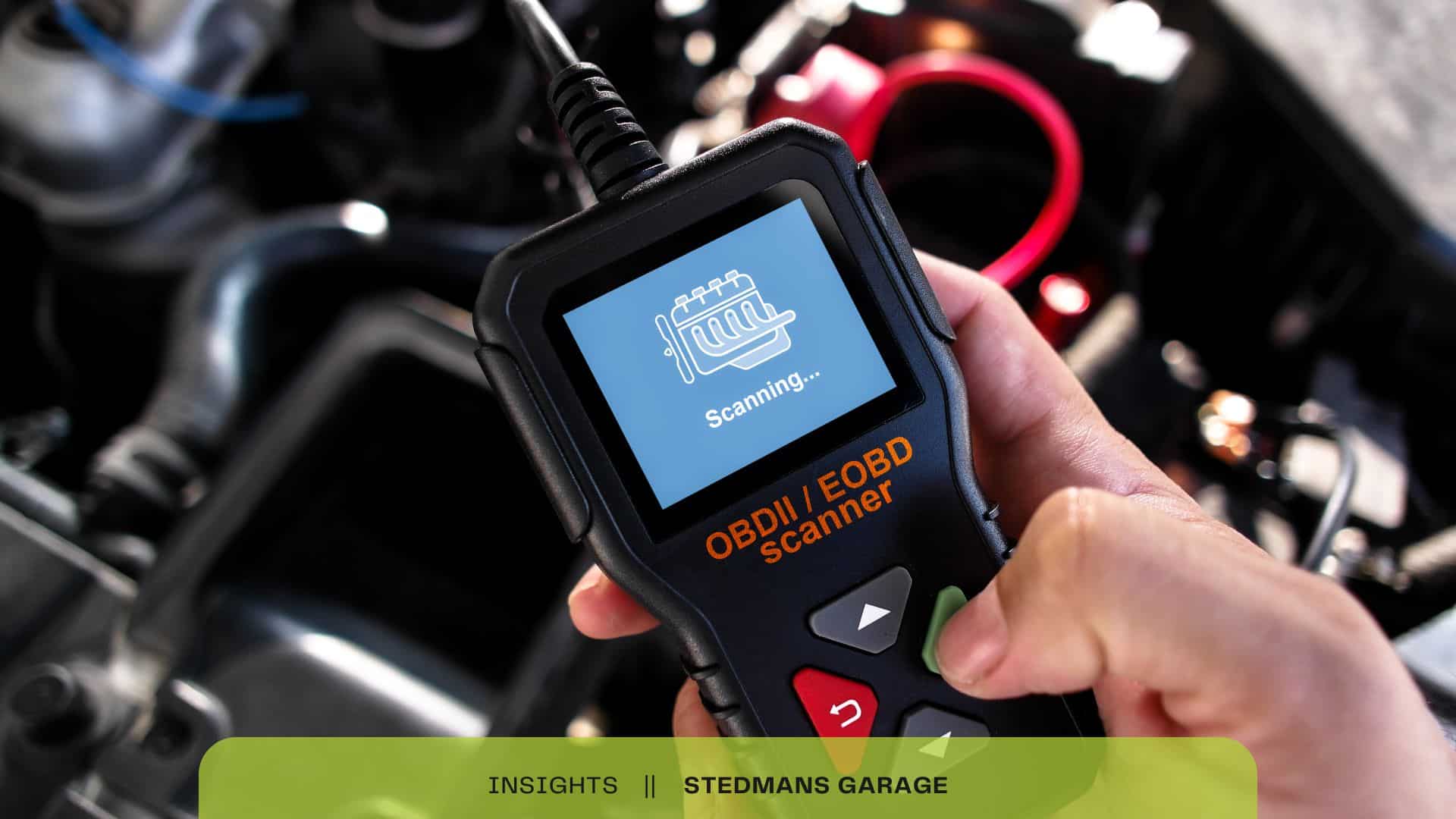
If you suspect your BMW’s timing chain is failing, it is crucial to take immediate action to avoid further damage.
Diagnosis and Inspection
Recommended Tools and Methods:
- OBD-II Scanner: Use an OBD-II scanner to check for diagnostic trouble codes (DTCs) that may indicate timing issues.
- Visual Inspection: Check for oil leaks around the timing cover, which may indicate a failing timing chain tensioner.
- Listen for Sounds: Pay attention to any rattling or unusual noises during engine operation.
Timing Chain Replacement Process
If a timing chain failure is diagnosed, replacement is often necessary. Here’s an overview of the process:
- Preparation: Disconnect the battery and remove any components obstructing access to the timing chain cover.
- Remove the Timing Chain Cover: Carefully remove the timing chain cover, ensuring not to damage any seals.
- Replace the Timing Chain: Install a new timing chain, ensuring proper alignment with the camshaft and crankshaft.
- Reassemble: Reinstall the timing chain cover and any other components that were removed.
Estimated Costs and Timeframes
- Replacement Cost: The cost for timing chain replacement can range from £500 to £1,500, depending on the labour rates and parts used.
- Timeframe: The process typically takes between 5 to 10 hours, depending on the mechanic’s experience and the specific vehicle configuration.
Finding a Reputable Mechanic
When looking for a mechanic in the UK to perform timing chain replacement:
- Check Reviews: Look for customer feedback on platforms like Trustpilot or Google Reviews.
- Ask for Recommendations: Seek recommendations from fellow BMW enthusiasts or local clubs.
- Verify Experience: Ensure the mechanic has experience working on BMW N47 engines.
Actionable Tips Section
To avoid timing chain failures in your BMW 3 Series E90/E91, consider these actionable tips:
- Regular Oil Changes
- Frequency: Change your engine oil every 10,000 miles or annually.
- Oil Choice: Use high-quality synthetic oil that meets BMW specifications.
- Maintain Service Records
- Documentation: Keep a record of all maintenance performed on your vehicle, including oil changes and inspections.
- Know Your Vehicle: Understanding your BMW’s maintenance history can help you identify potential issues early.
- Inspect Timing Chain Regularly
- Visual Checks: Inspect for oil leaks and listen for unusual noises during regular maintenance.
- Professional Inspections: Have a professional mechanic inspect the timing chain system every 60,000 miles.
- Use High-Quality Parts
- When replacing components related to the timing chain, always opt for OEM (Original Equipment Manufacturer) parts to ensure quality and reliability.
- Stay Informed
- Join BMW forums and local clubs to stay updated on common issues and maintenance tips for the E90/E91 models. Engaging with fellow enthusiasts can provide valuable insights and support.
Conclusion
Understanding the intricacies of timing chain failures in BMW 3 Series E90 and E91 N47 engines is crucial for owners and potential buyers. By being aware of the symptoms, causes, and maintenance requirements, you can protect your investment and ensure the longevity of your vehicle.
Regular maintenance, including timely oil changes and inspections, can significantly reduce the risk of timing chain failure, ultimately saving you money and preserving your engine’s reliability.
If you own an E90 or E91 model, take a moment to review your maintenance history and consult with a professional if you have concerns about your timing chain. Don’t wait for a failure to happen, stay ahead of potential issues and enjoy the exceptional driving experience that BMW is known for.