Introduction
When it comes to the efficient functioning of your VW Passat (2.0 TDI), knowing about the timing system ( specifically the timing belt and timing chain ) is crucial for long-term reliability and performance. These components play a vital role in maintaining the engine’s timing, synchronising the crankshaft and camshaft to ensure smooth operation. A failure in either component could lead to serious engine damage, resulting in costly repairs.
Understanding Timing Belts and Timing Chains
The Basics: What They Are and Their Functions
Both timing belts and timing chains serve the same essential purpose: they keep the crankshaft and camshaft in sync. This timing is vital, as it directly influences the combustion process.
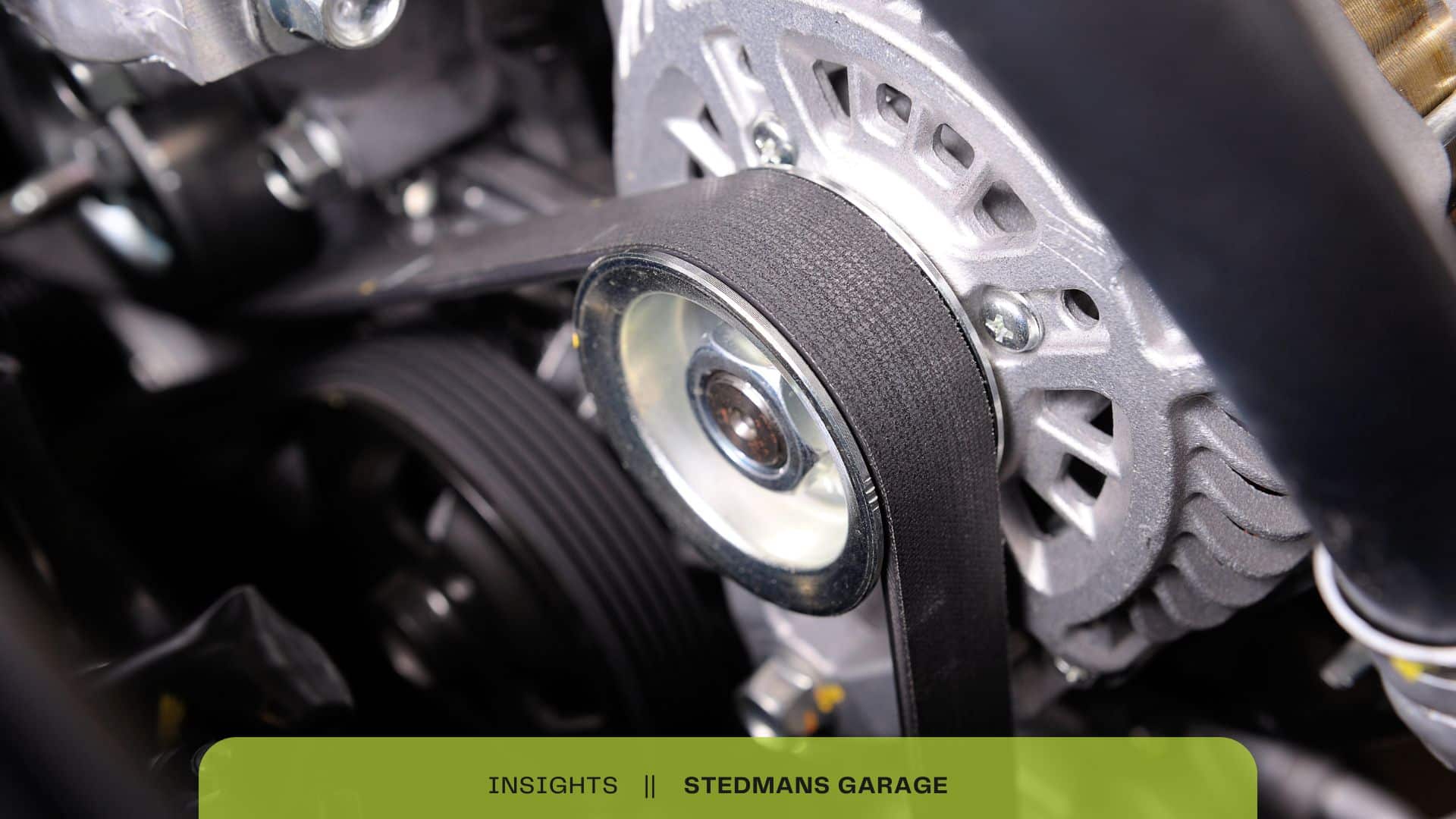
- Timing Belt: A rubber belt reinforced with nylon or other synthetic materials, its main role is to transfer rotational motion from the crankshaft to the camshaft, regulating the timing of the engine’s valves. Timing belts tend to be quieter and lighter than chains.
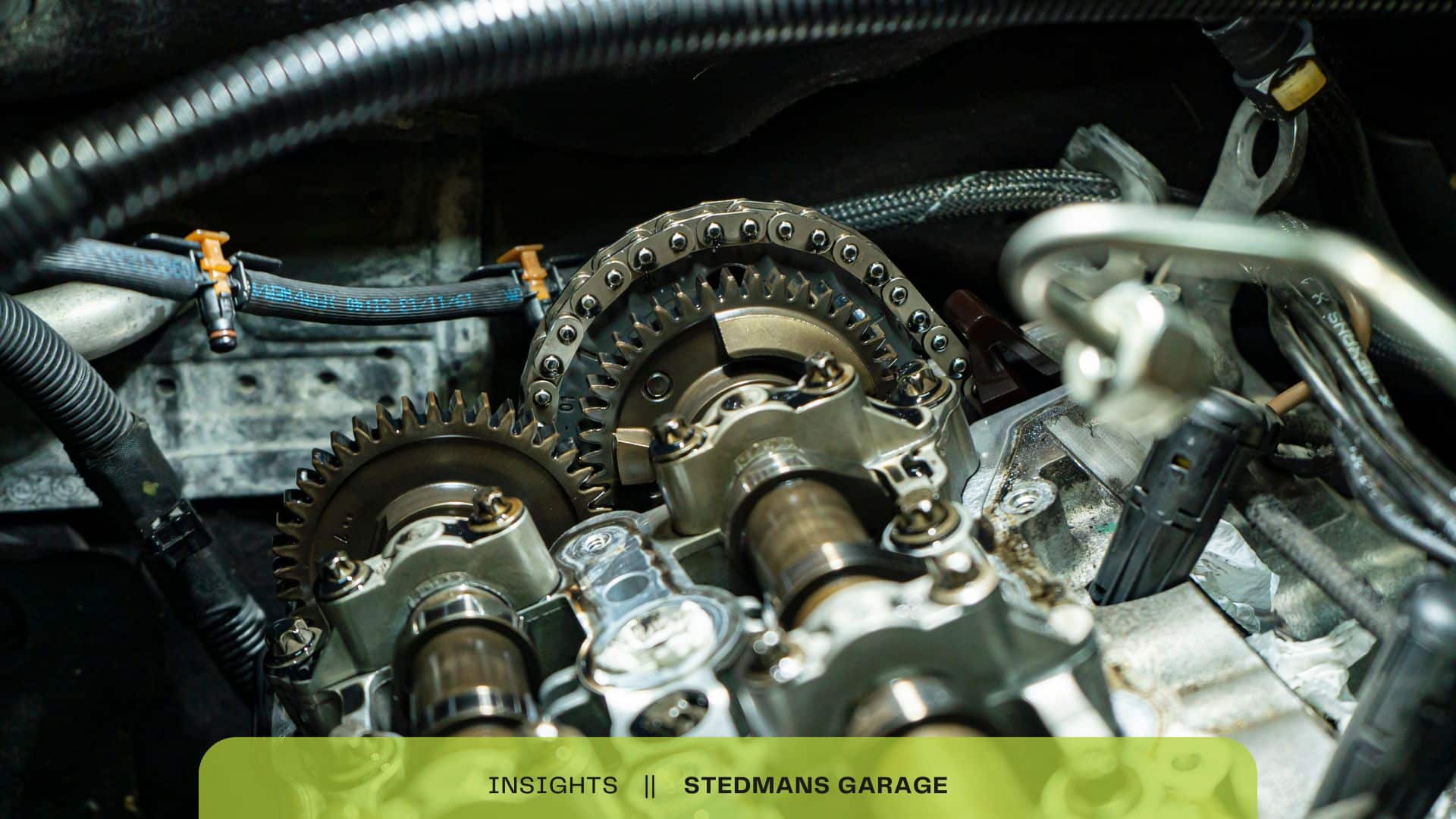
- Timing Chain: In contrast, a timing chain is made from metal and operates similarly to a bicycle chain. It connects the crankshaft and camshaft, allowing for precise timing of valve openings and closings. While timing chains are usually more durable, they can be heavier and noisier.
The VW Passat (2.0 TDI) employs one of these systems, depending on the engine variant, making it essential for owners to know which one their vehicle has for effective maintenance.
Material Composition and Impact on Performance
The materials used in timing systems inherently affect their performance and longevity.
- Timing Belts: Typically crafted from rubber composites, these belts are prone to wear over time due to exposure to engine oil, heat, and operational stress. They usually have a service life of around 60,000 to 100,000 miles, influenced by driving conditions and environmental factors.
- Timing Chains: In contrast, chains are made of metal and are designed to last for the vehicle’s lifespan. They do not need routine replacements like belts, though they may require tensioning maintenance for optimal performance. Manufacturers often choose timing chains for their durability and lower failure rates.
Understanding these material differences helps owners grasp service requirements and anticipated longevity for each system, ensuring that the VW Passat (2.0 TDI) performs at its best.
Key Differences Between Timing Belts and Timing Chains
Durability and Lifespan
When discussing durability and lifespan, the material differences make a significant impact:
- Timing Belts are generally replaced every 60,000 to 100,000 miles, as advised by the manufacturer. Regular replacement is vital to prevent potential engine failures.
- Timing Chains typically last over 100,000 miles, given their robust design. However, regular monitoring for tension and wear is necessary to maintain their efficiency.
Replacement Intervals
Replacement intervals are crucial when it comes to ownership decisions.
For VW Passat 2.0 TDI owners with a timing belt, staying proactive with maintenance schedules is essential. Missing a timing belt replacement can lead to catastrophic engine failure, costing thousands.
Conversely, owners of models with timing chains may experience a more relaxed maintenance routine. While these do not need frequent replacements, being aware of wear signs or unusual noise can indicate the need for servicing.
Maintenance Requirements
Understanding the differing maintenance needs for each system can significantly affect overall vehicle health.
- Timing Belts should undergo checks around their replacement mileage, ensuring no frays, cracks, or signs of wear are present. Regular oil changes also help maintain their integrity.
- Timing Chains, though sturdier, require periodic attention. Owners must monitor tension; if it gets too loose or too tight, it can jeopardise the engine’s operational efficiency. Additionally, using high-quality oils is crucial, as poor oil can lead to rapid wear on the chain and associated parts.
Noise Levels
The operational sounds of these systems also differ:
- Timing Belts typically operate quietly, contributing to a serene engine performance.
- Timing Chains may produce noticeable sounds, particularly as they age or if their tension is mismanaged. Regular maintenance can help keep operational sounds within acceptable levels.
Implications on Engine Performance
The selected timing system affects the engine performance of the VW Passat in various situations:
The quiet operation of timing belts can enhance the driving experience, especially in diverse driving conditions.
Timing chains, though noisier, provide added assurance of durability; ideal for drivers engaging in long-distance commutes or heavy vehicle usage.
Overall, comprehending these distinctions allows VW Passat (2.0 TDI) owners to evaluate which system aligns better with their driving habits and maintenance plans.
Maintenance Considerations
Timing Belt Maintenance: Requirements and Tips
For VW Passat owners with a timing belt, regular checks are essential. Here are key maintenance tips:
- Service Intervals: Follow the manufacturer’s recommendations for timely changes, usually between 60,000 to 100,000 miles.
- Visual Inspections: Regularly check for signs of fraying, cracks, or damage.
- Maintain Clean Oil: Routine oil changes support engine function and prolong the timing belt’s life.
- Monitor Performance: Be vigilant for performance changes like engine misfires or power drops, as they may indicate belt issues.
Timing Chain Maintenance: Requirements and Insights
Although timing chains require less frequent maintenance, they are not maintenance-free:
- Regular Tension Checks: Always review a timing chain’s tension, as slack can lead to severe operational problems.
- Oil Maintenance: Using the right engine oil helps prolong the chain’s life.
- Listen for Noise: If rattling or knocking noises are present, seeking advice from a mechanic is advisable to ensure proper chain function.
VW Passat (2.0 TDI) is designed to encourage proactive management, preventing minor concerns from escalating into significant issues.
Conclusion
In summary, understanding the differences between timing belts and timing chains is vital for VW Passat (2.0 TDI) owners. Each system has its distinct advantages, disadvantages, and maintenance needs, influencing overall vehicle performance and longevity.
By staying proactive with checks and maintenance, along with keeping informed about your vehicle’s requirements, you can ensure that your VW Passat continues to operate smoothly and save yourself from costly repairs in the future. Remember, informed ownership leads to a more reliable driving experience, allowing your 2.0 TDI to perform at its best.
By taking a proactive approach to timing systems, you can enhance your vehicle’s performance and prolong its lifespan, ensuring your VW Passat remains a trusted automotive companion for years to come.