Introduction
For vehicle owners, understanding automotive maintenance is vital to ensuring longevity and reliability. One of the most critical components of your engine is the timing belt, a key part in the function of various engine systems. A failing timing belt can lead to catastrophic engine failure, making it essential to be well-informed about its function and the signs that indicate a need for replacement.
The Function of a Timing Belt
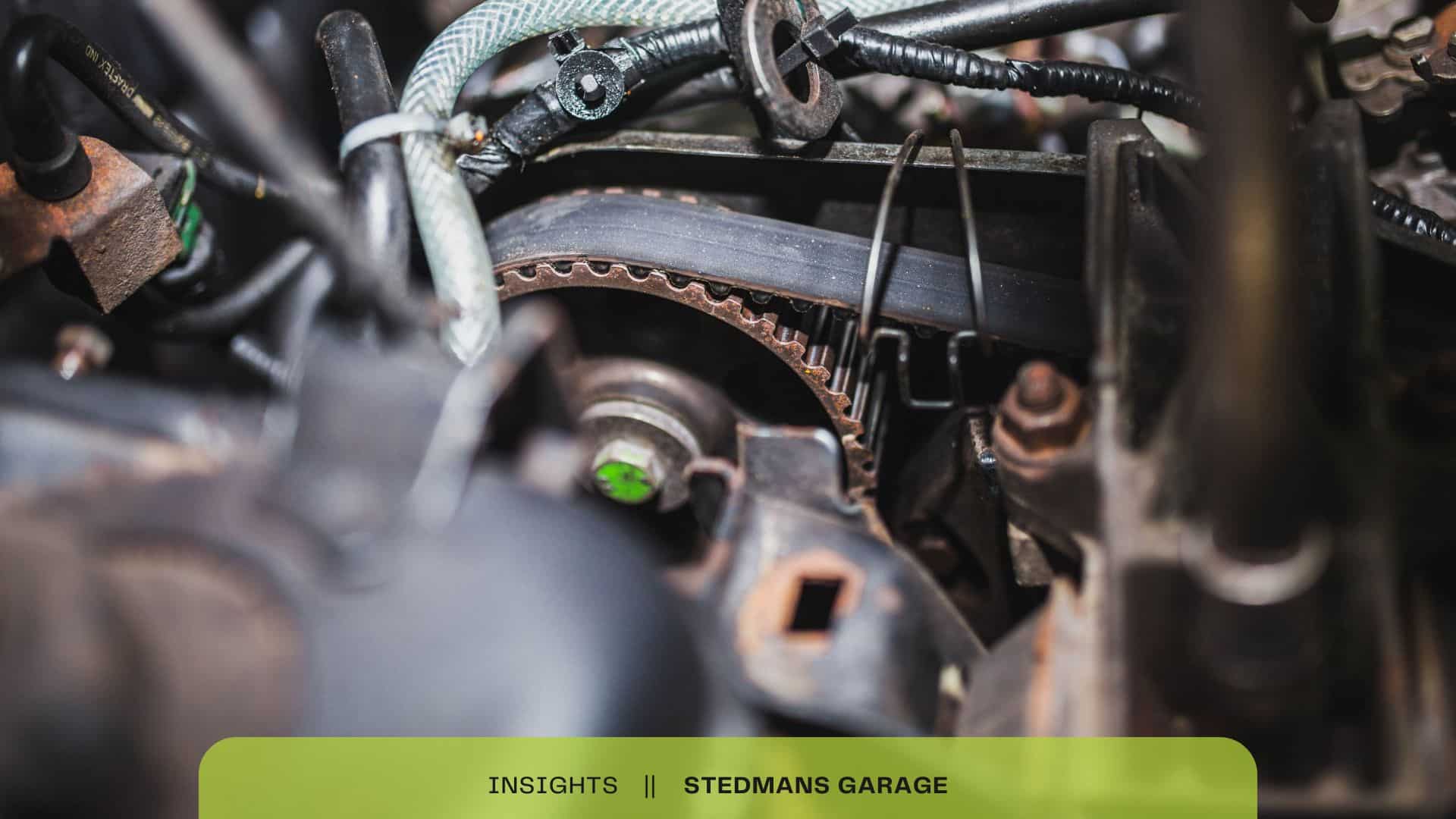
The timing belt plays a crucial role in synchronising your vehicle’s engine components, specifically the crankshaft and camshaft. This long rubber belt connects these two moving parts to ensure that the valves open and close precisely in relation to the pistons’ positions. In simple terms, the timing belt ensures that the engine’s intake and exhaust valves operate at the correct time during the engine cycle.
The mechanics behind this function are critical. As the crankshaft turns, it moves the pistons up and down within the cylinders, allowing air and fuel to enter while exhaust gases exit. The timing belt ensures that the camshaft turns in harmony with the crankshaft, maintaining optimal valve timing. If the timing is off, due to a worn or broken belt, engine performance can deteriorate significantly, leading to power loss, fuel inefficiency, and possible engine damage.
Timing belts are usually constructed from high-strength materials like rubber, often reinforced with nylon or fiberglass for added durability. Variations in design may include teeth on the belt for improved grip on pulleys, contributing to reliability and efficiency. The materials’ specification can affect both the timing belt’s lifespan and its performance under different driving conditions. A well-maintained timing belt directly correlates with consistent engine performance, making it essential for engine maintenance.
Signs Indicating Timing Belt Replacement
Vehicle owners should be vigilant for signs that it may be time for a timing belt replacement. While each vehicle may have specific indicators, several universal symptoms can suggest a failing timing belt. One common sign is unusual noises emanating from the engine, often manifesting as ticking or grinding sounds. Such noises may occur when the timing belt is worn down or has misaligned due to pulley wear or failure.
Another indication of a problematic timing belt is engine misfires. If the timing is off, valves might not open and close at the right moments, leading to combustion issues. This can cause the engine to run roughly or interrupt its normal operation. A failure to start the engine can also point to a defective timing belt. If the belt breaks entirely, the engine will not turn over, resulting in a no-start condition.
Regular inspections are vital for spotting wear and tear before problems escalate. Mechanics often look for cracks, fraying, or glazing, a shiny, slick surface on the belt indicating it has overheated or worn down. Owners should practice having their timing belts inspected consistently, especially as they approach significant mileage thresholds or after prolonged periods of inactivity.
Visual cues play a significant part in proactive vehicle care. Small marks of wear or any visible deformation in the belt should prompt immediate attention. Given the timing belt’s integral role in the engine’s functionality, timely detection and replacement are essential for optimal vehicle performance and avoiding costly repairs stemming from engine damage.
Recommended Replacement Intervals
Timing belt replacement intervals can vary significantly among manufacturers, depending on the vehicle’s make, model, and engine design. The general rule suggests that most timing belts should be replaced between 60,000 to 100,000 miles. However, vehicle owners should consult their manufacturer’s recommendations outlined in the owner’s manual for specific intervals tailored to their model.
Certain automotive brands may have unique guidelines, with some manufacturers suggesting earlier replacements while others may allow longer intervals. It’s crucial to note that driving conditions and habits significantly impact a timing belt’s lifespan. For instance, frequent short trips, heavy traffic, or extreme temperatures can place additional strain on the belt, potentially necessitating earlier replacement.
Environmental factors such as heat and humidity can also contribute to timing belt degradation. In regions with harsh weather, owners may need to replace their belts sooner than those in milder climates. Additionally, maintenance history plays a crucial role; vehicles that have not undergone regular maintenance may experience reduced timing belt lifespan due to other neglected aspects of engine care.
It is also wise to consider the age of the belt; even low-mileage vehicles may require timing belt replacement after a certain period (usually around 7-10 years) due to material aging. A comprehensive understanding of these intervals and factors can help vehicle owners stick to a proactive maintenance schedule, enhancing their engines’ longevity and preserving performance.
Interference vs. Non-Interference Engines
An important consideration for vehicle owners is the distinction between interference and non-interference engines. In an interference engine, if the timing belt breaks, the valves and pistons can collide, leading to severe and costly engine damage. In contrast, a non-interference engine has enough clearance that this collision will not occur, typically resulting in fewer catastrophic consequences. Understanding this distinction is crucial for recognising the potential severity of a timing belt failure and making informed maintenance decisions.
Comparative Analysis: Timing Belts vs. Other Types of Engine Drive Systems
When assessing the timing belt, it is equally important to understand how it compares with other types of engine drive systems, most notably timing chains. Timing chains serve a similar purpose but operate with different mechanics and construction.
Durability and Lifespan:
Timing belts are typically made of rubber and designed for replacement at regular intervals, an advantage and a disadvantage. Their lifespan is often finite, necessitating proactive replacement to avoid catastrophic engine failure. Conversely, timing chains are constructed from metal and are designed to last much longer. Many chains can endure the entire life of the engine without requiring replacement, provided oil changes and regular maintenance are adhered to. This quality makes them preferred for long-term durability in specific engine designs.
Maintenance Needs:
While timing belts require regular replacement, timing chains generally need less frequent intervention. However, they are not without their requirements; regular oil changes are necessary to ensure the chain’s longevity, as oil keeps the system lubricated and functioning smoothly. A neglected timing chain can lead to significant wear and tear, as well as potential engine damage.
Contextual Preferences:
Timing belts may be favoured in smaller, high-revving engines where weight and cost are more crucial than absolute durability. For performance vehicles, where responsiveness is critical, a timing belt can provide improved performance characteristics, being lightweight and effective at higher RPMs. In contrast, timing chains are often found in larger and more robust engines where durability and longevity are paramount.
Ultimately, the choice between a timing belt and a timing chain can often hinge on vehicle design and owner preferences. Understanding these distinctions allows for more informed decisions when considering maintenance or purchasing a vehicle, as each system has its pros and cons.
Additional Recommendations During Timing Belt Replacement
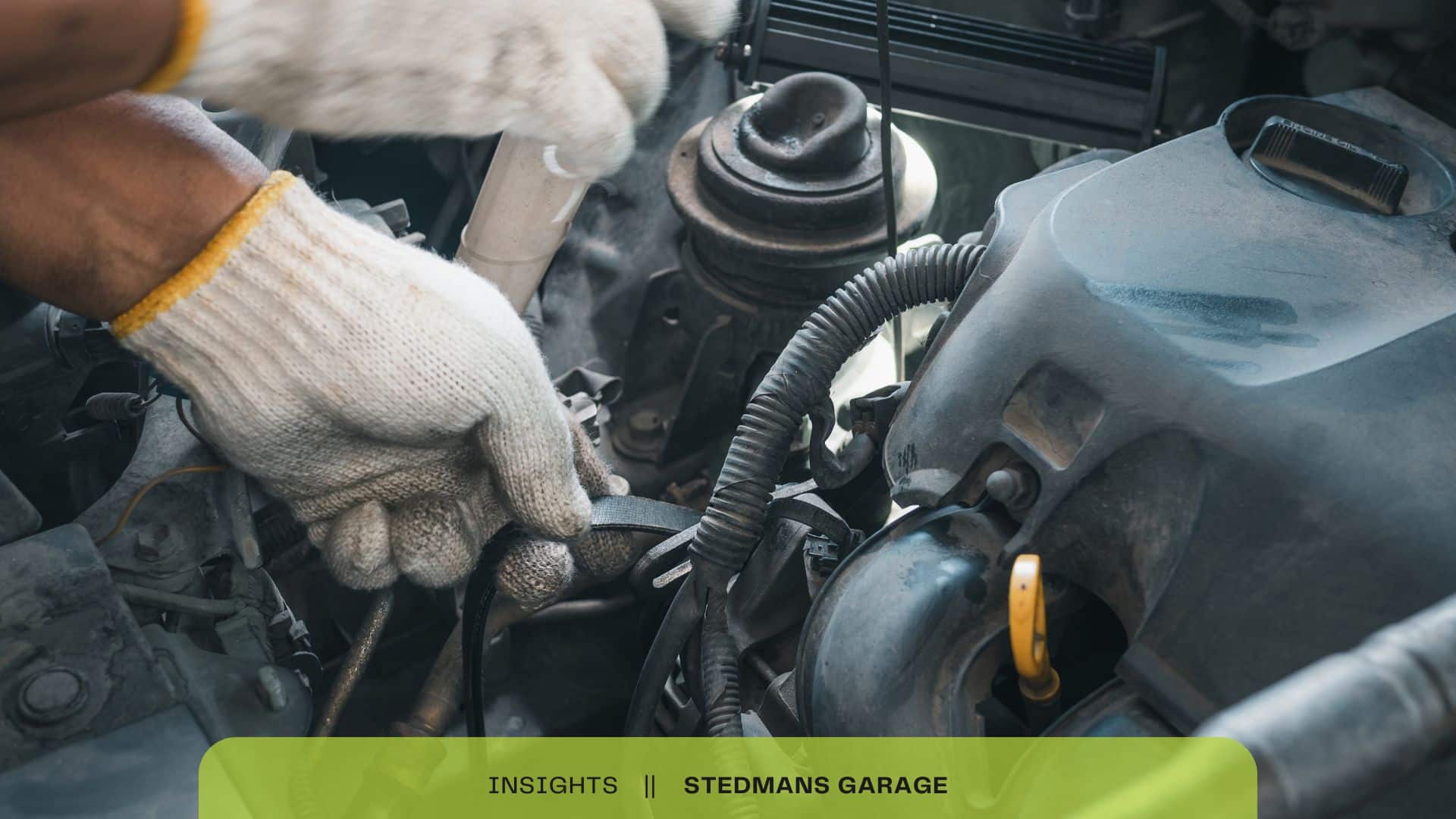
When replacing a timing belt, it is often recommended to also replace the water pump, especially if it is driven by the timing belt. The labour cost to access the water pump is similar to that for replacing the timing belt, so replacing both at the same time can save money in the long run.
Similarly, it’s advisable to replace the tensioner and idler pulleys along with the timing belt, as these components can also wear out and contribute to timing belt failure. Ensuring that all these components are in good condition can help extend the life of your timing belt and enhance overall engine performance.
Conclusion
The timing belt is an integral component of your vehicle’s engine operation, and understanding when to replace it is crucial for maintenance and performance. By recognising wear signs, adhering to recommended replacement intervals, and comparing the timing belt to other drive systems, vehicle owners can empower themselves to make informed decisions regarding engine maintenance.
Staying informed not only prolongs the engine’s life but also enhances the driving experience. We encourage all vehicle owners to prioritise timely and proactive maintenance, especially concerning critical components like the timing belt. A proactive approach can prevent unforeseen failures and save you from costly repairs in the future, ensuring a smooth and reliable driving experience for years to come.
If you think your timing belt may need replacement or if you’re due for a maintenance check, don’t wait, contact your mechanic today to schedule an inspection. Taking this initiative today can safeguard your vehicle’s performance tomorrow!