Introduction
For vehicle owners in the UK, preparing for the MOT test can feel overwhelming. An MOT (Ministry of Transport) test is crucial in ensuring your vehicle meets safety and environmental standards. Unfortunately, many drivers fail due to common mistakes that can easily lead to an MOT failure. This blog aims to highlight these pitfalls, providing practical insights on how to prevent failures, ensuring your vehicle passes its MOT test successfully.
In this comprehensive guide, we will cover the significance of the MOT test, discuss the five most frequent reasons for failure, and provide actionable tips to maintain your vehicle effectively. By the end of this post, you’ll be equipped with a thorough MOT checklist and strategies to avoid these common errors, reinforcing the importance of vehicle maintenance and compliance with road safety regulations.
Understanding the Importance of the MOT Test
What is the MOT Test?
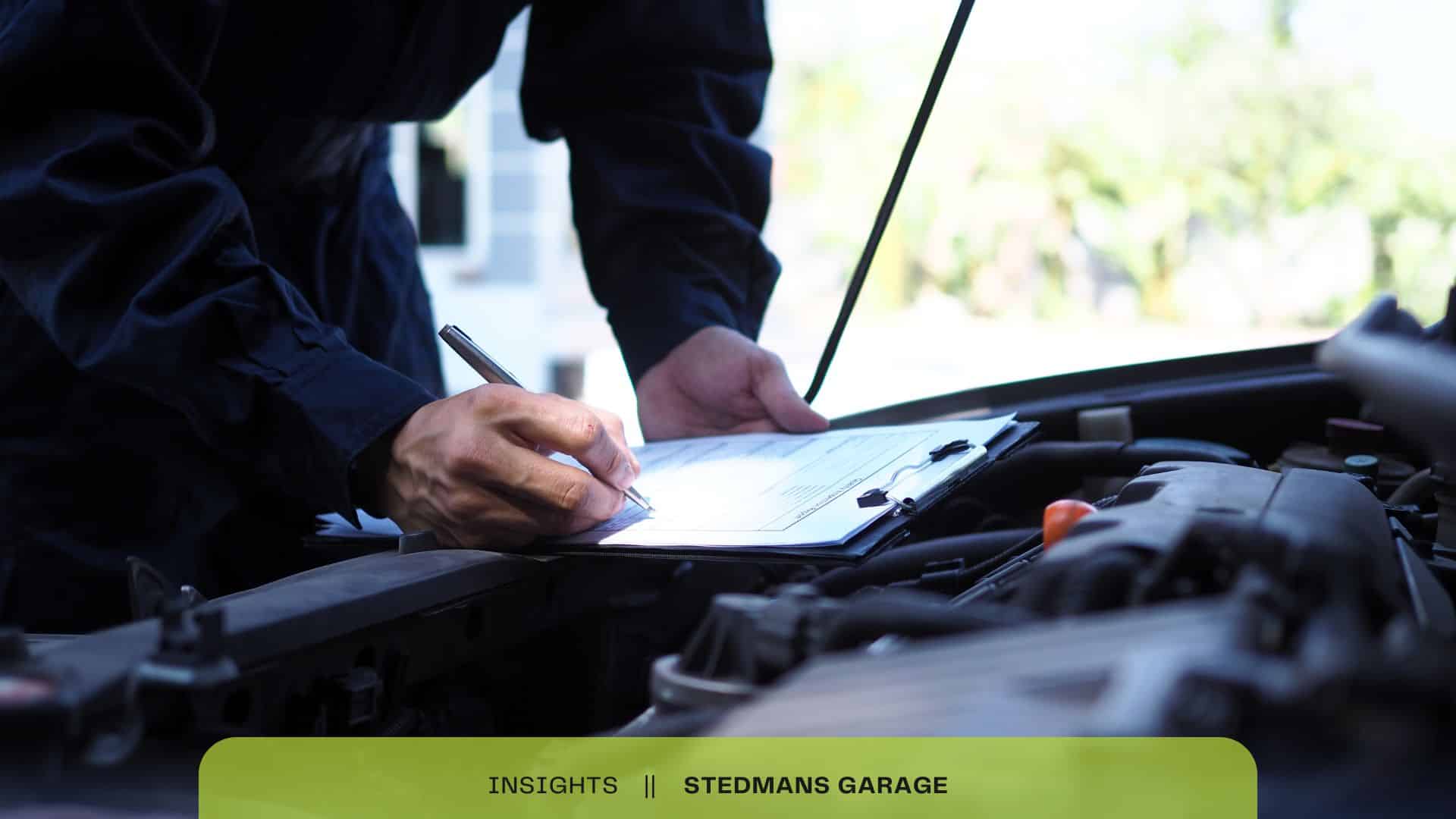
The MOT test is an annual examination required by UK law for most vehicles over three years old. It evaluates various aspects of a vehicle, including safety, roadworthiness, and emissions. Certified MOT testers at approved garages conduct the test, ensuring that vehicles operate within legal standards.
Legal Requirements
In the UK, all vehicles must pass the MOT test to be legally driven on the roads. Failing to hold a valid MOT certificate can lead to fines, penalty points on your licence, and increased insurance premiums. Intentionally driving a vehicle without a valid MOT certificate is unlawful, further highlighting the importance of ensuring your vehicle meets specified criteria.
Safety and Compliance
More than just a legal requirement, the MOT test is essential for the safety of drivers and pedestrians. Vehicles that fail to meet safety standards pose significant risks of accidents and injuries. By keeping your vehicle well-maintained, you’re not only complying with the law but also contributing to overall road safety.
The 5 Most Common MOT Failures
1. Lights and Indicators
Checks on Lights
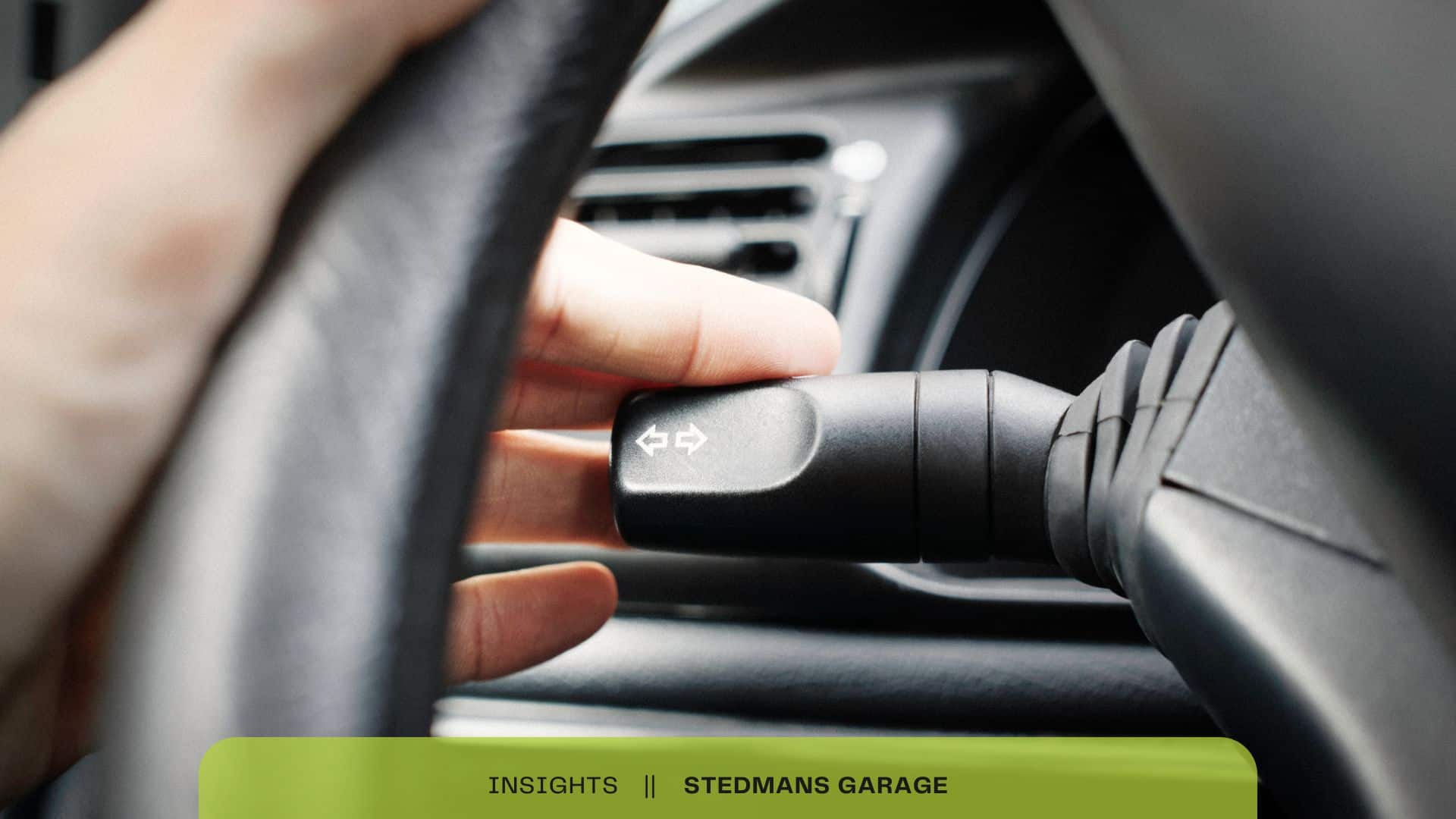
One of the primary areas tested during an MOT is your vehicle’s lighting system. This includes headlights, taillights, brake lights, and indicators. Each light must be fully operational to pass the test. A failed inspection of your lighting system could be due to faulty bulbs, wiring issues, or misaligned headlights that don’t illuminate the road effectively.
How to Inspect and Replace Bulbs
Inspecting Bulbs: Start by turning on your vehicle and checking every light, including your indicators and brake lights, to ensure they are illuminating correctly. You can ask a friend to assist you by checking these lights from outside the vehicle.
Replacement Tip: If any bulbs are found faulty, refer to your vehicle’s manual for specific bulb types. Removing the old bulb is generally straightforward; twist or pull the housing and replace it with a new one. Always ensure the new bulbs are securely fitted.
Pro Tip: Regularly clean your headlights to maintain clarity and brightness. Oxidised or foggy headlights can significantly reduce visibility and may lead to an MOT failure.
2. Brake Issues
Importance of Brake Performance
Brakes are one of the most critical safety components of any vehicle. During the MOT test, the examiner will assess the condition of brake pads, fluid levels, and the overall efficacy of the braking system.
How to Check Brake Pads and Fluid
Visual Inspection: Inspect your brake pads for wear. If the pads are thinner than 3 mm, it’s time for a replacement.
Fluid Levels: Regularly check the brake fluid level in the reservoir. If the fluid is low, inspect for leaks in the brake lines or on the wheels.
Test Drive: If you notice any unusual sounds such as squeaking or grinding when applying the brakes, it may indicate that servicing is required before the MOT test.
3. Tyre Condition and Pressure
Regulations on Tyres
UK regulations state that tyres must have a minimum tread depth of 1.6mm across the central three-quarters of the tyre’s width. Insufficient tread depth can lead to reduced grip on wet surfaces, which may result in an MOT failure.
How to Measure Tread Depth
Use a tread depth gauge or perform the 20p test: Insert a 20p coin into the tread. If the outer band of the coin is visible, your tread depth is likely insufficient.
Maintaining Appropriate Pressure: Check the manufacturer’s manual for the appropriate pressure for your tyres. Consistently maintaining tyre pressure is essential, as incorrect pressure can affect vehicle handling and efficiency.
Pro Tip: Regularly rotate your tyres to ensure even wear and prolong their lifespan.
4. Emissions and Exhaust System
Emissions Standards
Vehicles must meet specific emissions standards to help reduce pollution. During the MOT, your exhaust system will be checked for leaks, corrosion, or damage that could lead to excessive emissions.
Maintenance Steps
Regular Checks: Visit a mechanic if you notice brown smoke emitting from the exhaust or if the exhaust system sounds excessively loud. These could indicate a malfunction, leading to potential failures.
Emissions Testing: Periodically perform your own emissions tests at a garage if you suspect issues, ensuring your vehicle remains compliant before the MOT.
Pro Tip: Regular servicing and checking your fuel system can help keep emissions low and ensure optimal performance.
5. Windscreen and Mirrors

Requirements for Windscreen and Mirrors
Your vehicle should offer a clear view. Windscreen cracks larger than 40mm in the driver’s line of sight will lead to an MOT failure.
Maintenance Suggestions
Regular Inspection: Check for chips or cracks on your windscreen. If damaged, consider having your windscreen repaired to avoid costly replacements.
Mirror Integrity: Ensure all mirrors are intact and do not have shattered glass. Clean mirrors regularly for optimal visibility.
Pro Tip: Always test your wipers and replace them if they are not clearing the windshield effectively. Poor visibility can pose risks on the roads and lead to an MOT failure.
Additional Factors to Consider
While the above categories account for the majority of MOT failures, other areas should not be overlooked:
Bodywork Condition
A rusted or damaged body can result in an MOT failure if it affects structural integrity. Regularly inspect your vehicle’s body for signs of rust and corrosion. Address any damage promptly to avoid complications during the test.
Fluid Leaks
Fluid leaks from your engine or braking systems can pose significant safety concerns. Monitor the ground where you park for signs of leaking fluids, and consult a mechanic if you observe any issues.
Preventative Maintenance Steps
Regular Servicing: Schedule annual services with a quality garage to keep all systems in check.
Fluid Checks: Keep fluid levels (oil, coolant, and brake fluid) topped off and maintain regular checks to ensure optimal operation.
Actionable Tips Section
As you prepare for your MOT, consider employing some actionable tips to ensure your vehicle is in top condition:
- Create an MOT Checklist: Use the points covered in this blog to create a detailed checklist for your vehicle’s condition.
- Schedule Regular Inspections: Don’t wait until the last minute; check components related to the MOT regularly.
- Keep Records: Maintain records of any repairs and maintenance performed on your vehicle. This versatile data demonstrates responsible ownership.
- Prepare for Weather Conditions: If you anticipate rain or snow close to your MOT test, ensure your brakes and tyres are particularly up to standard.
- Consult a Professional: For any repairs or issues outside your knowledge, consult a professional mechanic. It’s often worth the expense to avoid the risks of failing an MOT.
Conclusion
In conclusion, understanding the common MOT failures and how to prevent them is essential for any vehicle owner in the UK. Regular maintenance not only helps you pass the MOT test but also contributes to overall road safety, reducing the risk of accidents.
By paying attention to the five common areas of failure identified in this blog (lights, brakes, tyres, emissions, and windows) you can significantly improve your chances of a successful MOT. Don’t forget to maintain a checklist to consistently monitor your vehicle’s condition.
Start your journey towards a successful MOT today. Inspect your vehicle, address any issues, and don’t hesitate to book those maintenance appointments. Your vehicle’s safety (and your peace of mind) depend on it!