Introduction
Understanding the MOT tyre rules is crucial for every UK motorist. The MOT, or Ministry of Transport, test ensures that vehicles meet safety and environmental standards. Among the various components assessed during this annual inspection, tyres play a vital role in vehicle safety. Complying with vehicle safety regulations regarding tyres not only protects the driver but also enhances overall road safety.
In this comprehensive guide, we will explore the intricacies of MOT tyre regulations, focusing on tyre tread depth and compliance requirements. You will learn about the importance of adhering to these rules, how to check your tyres, and what happens if you fail to meet MOT standards. Additionally, we will provide actionable tips to ensure your tyres are in excellent condition, thus safeguarding both your vehicle and driving experience.
Understanding MOT Tyre Rules
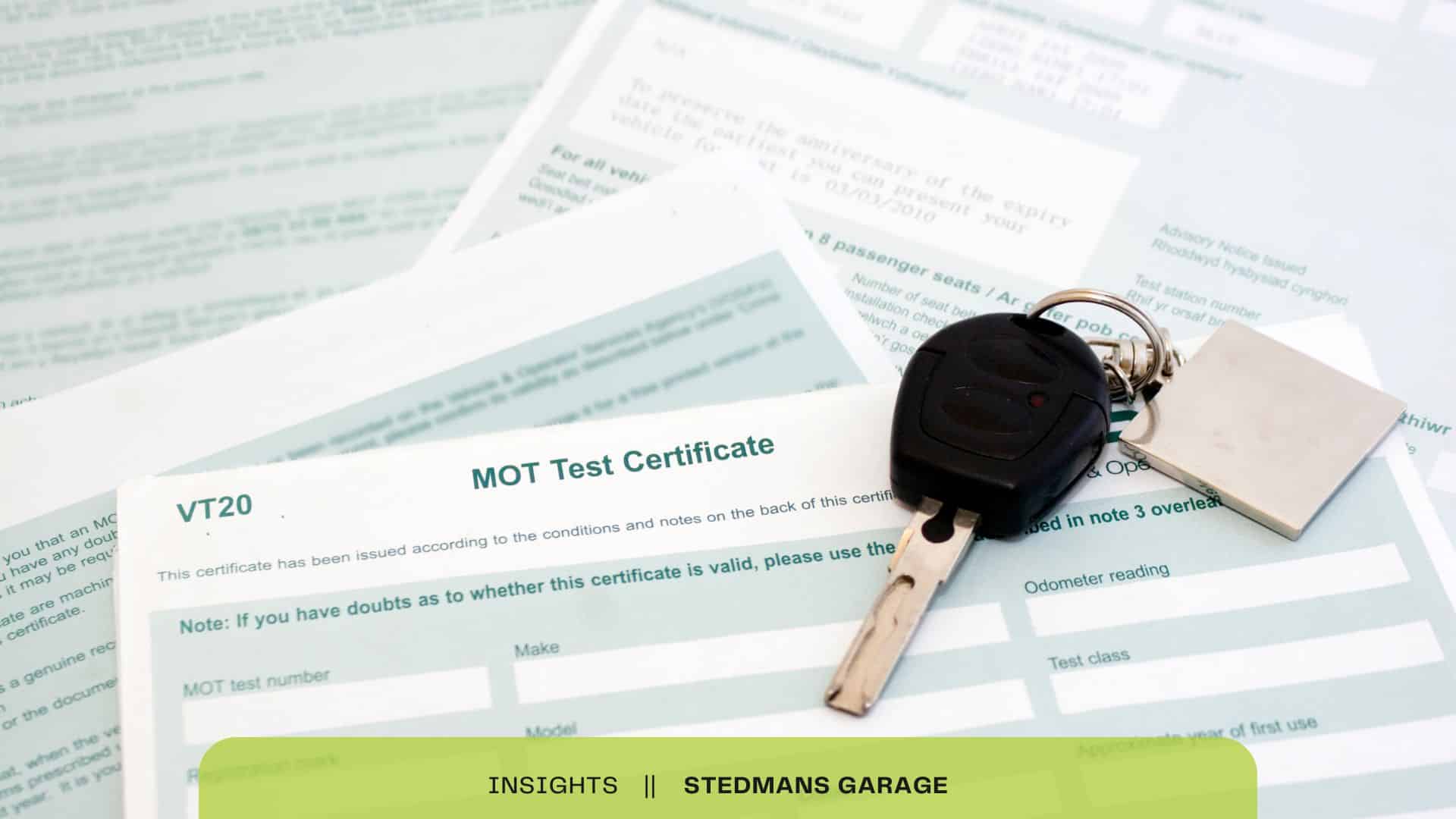
The MOT test is a legal requirement for most vehicles over three years old in the UK. It evaluates the vehicle’s roadworthiness, ensuring that all essential components (including lights, brakes, and tyres) are functioning correctly. Tyres, being the only contact between your vehicle and the road, are crucial for ensuring safety.
Importance of Adhering to Tyre Regulations
Failing to comply with MOT guidelines related to tyres can have serious consequences, including endangering lives, incurring fines, and potentially invalidating your vehicle insurance. For example, a vehicle with insufficient tread depth can lead to poor traction, especially in wet conditions, significantly increasing the risk of skidding or losing control.
Understanding these regulations is not just about passing the MOT; it’s about ensuring vehicle safety for yourself, your passengers, and other road users. This guide aims to equip you with the knowledge needed to check, maintain, and replace your tyres as required, thus enhancing your safety on the road.
Regulations Governing Tyre Tread Depth
Minimum Tread Depth Requirements
In the UK, the legal minimum tread depth for car tyres is 1.6 mm, measured across the central three-quarters of the tyre’s tread. This rule is essential for maintaining adequate grip on the road, especially under poor conditions. When tread depth falls below this minimum, it can dramatically reduce the tyre’s effectiveness, leading to longer stopping distances and increased risk of aquaplaning on wet surfaces.
Practical Examples
Imagine driving on a rainy day with tyres that are too worn. The reduced tread depth would mean water isn’t effectively channeled away, increasing the chances of hydroplaning and losing control of your vehicle. According to statistics from the Driver and Vehicle Standards Agency (DVSA), many accidents occur due to poor tyre conditions, underscoring the need to meet the minimum tread depth requirement.
Tread Patterns and Types of Tyres
Understanding the different types of tyres available is vital for compliance and performance.
- Summer Tyres: Designed for optimal performance in warmer conditions, these tyres have specific tread patterns that facilitate handling on wet surfaces but may not perform well in low temperatures.
- Winter Tyres: These tyres feature deeper grooves and special tread patterns to enhance grip on snow and icy surfaces.
- All-Season Tyres: A hybrid of summer and winter tyres, offering versatility but may not perform as effectively under extreme weather conditions.
Using the right type of tyre not only helps you comply with regulations but also extends the lifespan of your tyres and ensures safety.
Common Tyre Tread Issues
Several common issues can affect both the tread depth and overall condition of tyres.
- Uneven Wear: Caused by improper alignment, unbalanced tyres, or incorrect inflation. This may lead to reduced tyre life and potential safety hazards.
- Bulges: Indicate internal damage, often from hitting a pothole or kerb. Bulges weaken the tyre’s structure, which can lead to blowouts.
- Foreign Object Punctures: Sharp objects can puncture tyres. Some punctures can be repaired, but deeper cuts or damage near the sidewalls usually mean the tyre must be replaced.
Understanding these common issues helps in maintaining compliance with MOT regulations and ensures vehicle safety and performance.
Checking Your Tyres Before an MOT
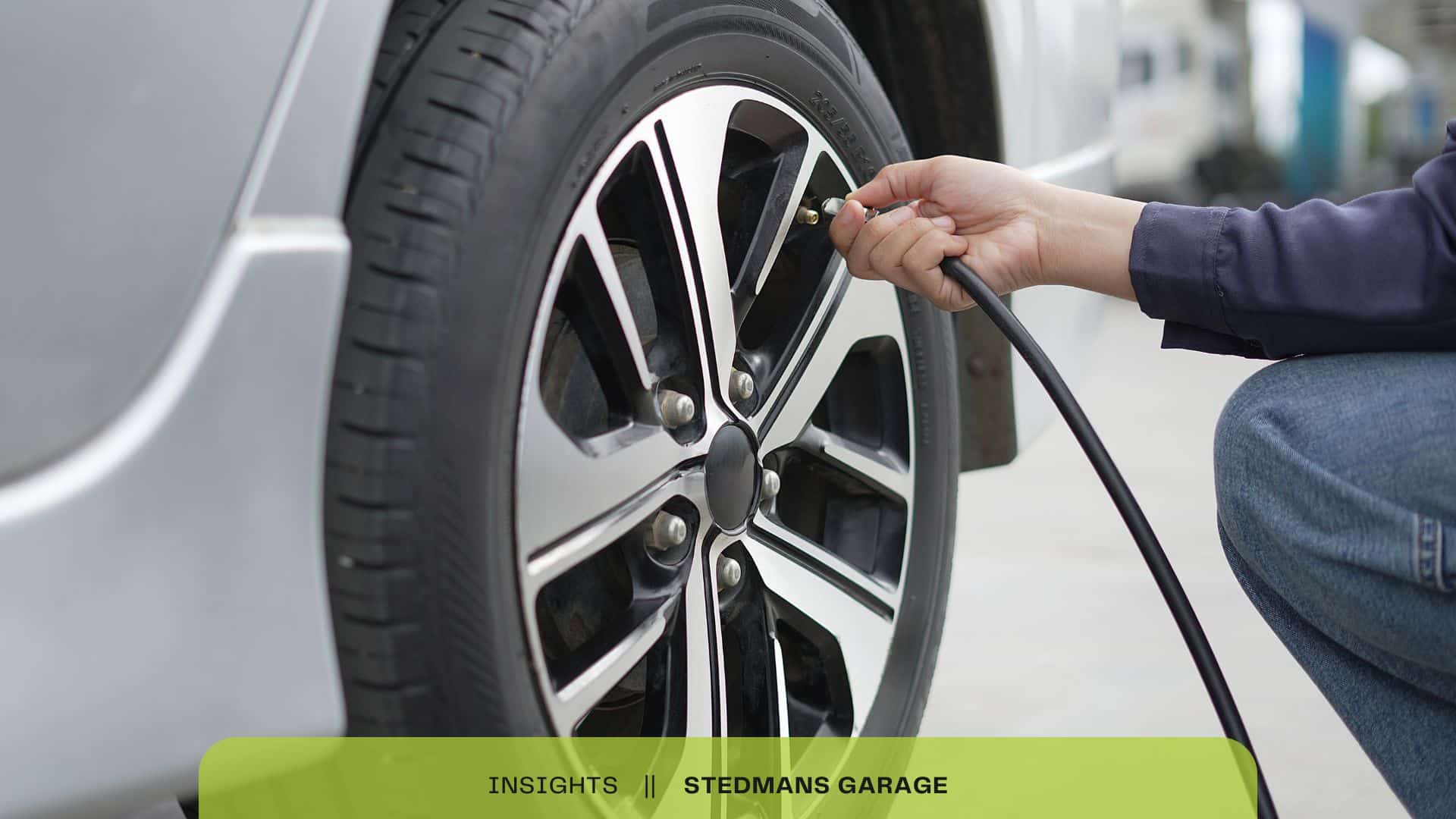
Regular checks can save you time and money while ensuring compliance with MOT tyre rules. Here’s a step-by-step guide for assessing both tread depth and the general condition of your tyres.
Step-by-Step Guide
- Visual Inspection:
- Look for signs of uneven wear, cracks, or bulges.
- Check for any embedded objects like nails.
- Tread Depth Check:
- Use a tread depth gauge or the ‘20p test’:
Insert a 20p coin into the tread grooves. If the outer band of the coin is visible, your tread depth may be insufficient.
- Use a tread depth gauge or the ‘20p test’:
- Tyre Pressure Check:
- Use a pressure gauge to ensure your tyres are inflated to the manufacturer’s recommendations. Under-inflation can lead to excessive wear and decreased handling.
- Sidewall Inspection:
- Look for scrapes, cracks, or bulges indicating potential replacement needs.
- Final Check:
- Ensure all four tyres are in similar condition, as discrepancies can affect handling and performance.
Useful Tools
Having tools like a tread depth gauge and tyre pressure gauge can make these checks easier and more accurate. Many garages also offer free checks, so utilise this service if unsure.
Consequences of Non-compliance

Failing to meet the MOT tyre rules can lead to various consequences that may affect your finances and driving status.
Penalties
- Fines: Driving with non-compliant tyres can result in fixed penalties. You could face fines of up to £2,500 per tyre for driving on defective tyres, along with points added to your driving licence.
- Insurance Implications: Non-compliance can invalidate your insurance. If involved in an accident while driving on unsafe tyres, your insurer may refuse to pay out, resulting in significant financial loss.
Statistics and Reporting
According to the DVSA, approximately one-third of MOT failures are related to tyre issues. This highlights the importance of maintaining compliant tyres, as neglecting this can lead to complications during the test and potentially on the roads.
Common Reasons for MOT Failures Relating to Tyres
- Insufficient tread depth.
- Bulges or blisters on tyres.
- Visible cracks or cuts that extend beyond the tread surface.
- Uneven wear patterns indicating alignment or suspension issues.
Being proactive about your tyres can help you avoid these common pitfalls and ensure you pass your MOT inspection without issues.
Actionable Tips for Maintaining Tyres and Preparing for the MOT
Maintaining your tyres is crucial for ensuring compliance with the MOT tyre rules and promoting road safety. Here are some actionable tips to help you prepare.
- Regular Checks:
Perform monthly checks on tread depth, air pressure, and visual conditions. Early detection can prevent minor issues from evolving into costly repairs. - Rotate Your Tyres:
Depending on driving conditions, regularly rotating your tyres (every 5,000 to 8,000 miles) can promote even wear and extend their lifespan. - Inflation:
Ensure tyres are inflated to the manufacturer’s recommended pressure at all times. Use a reliable digital gauge for accuracy. - Replace Worn-Out Tyres:
Don’t delay replacing tyres once they show signs of wear beyond the legal limit. Opt for high-quality replacements that meet your driving needs. - Invest in Quality:
While it may be tempting to buy cheaper tyres, investing in quality tyres often pays off in the long run with better performance and safety. - Professional Inspections:
Arrange for professional tyre checks at least twice a year, especially before the winter months, to ensure they are fit for seasonal driving conditions.
Additional Considerations
- Tyre Age: Check the manufacturing date on the sidewall. Tyres older than ten years, regardless of tread depth, should be replaced for safety reasons.
- Driving Habits: Safe driving habits, such as avoiding sharp turns and sudden stops, can also prolong tyre life and maintain compliance.
Conclusion
Adhering to MOT tyre rules is essential for every motorist in the UK. Understanding tread depth requirements, identifying common issues, and regularly checking your tyres can significantly enhance your vehicle’s safety and ensure you pass your MOT test.
Regular maintenance and being proactive about your vehicle’s condition can save you from potential fines and accidents, as well as costly replacements in the future. As you prepare for your next MOT, take a moment to check your tyre conditions and consider scheduling regular maintenance.
Start ensuring your vehicle is safe and compliant today, check your tyre conditions, stay informed, and help maintain vehicle safety for yourself and others on the road.