Introduction
The Bentley Mulsanne is a symbol of luxury and performance in the automotive world, renowned for its exceptional engineering and craftsmanship. However, like all vehicles, it is not immune to mechanical issues, particularly concerning rear axle bearings. Rear axle bearings play a crucial role in the overall functionality and safety of the Bentley Mulsanne, and their failure can lead to severe consequences for both the vehicle and its occupants. This comprehensive guide will delve into the intricacies of rear axle bearing failure in the Bentley Mulsanne, covering everything from the causes and symptoms to maintenance strategies and real-world case studies. By understanding these elements, Bentley Mulsanne owners can better protect their prized vehicles and ensure they remain in peak condition.
Understanding Rear Axle Bearings
Definition and Role in Vehicle Performance
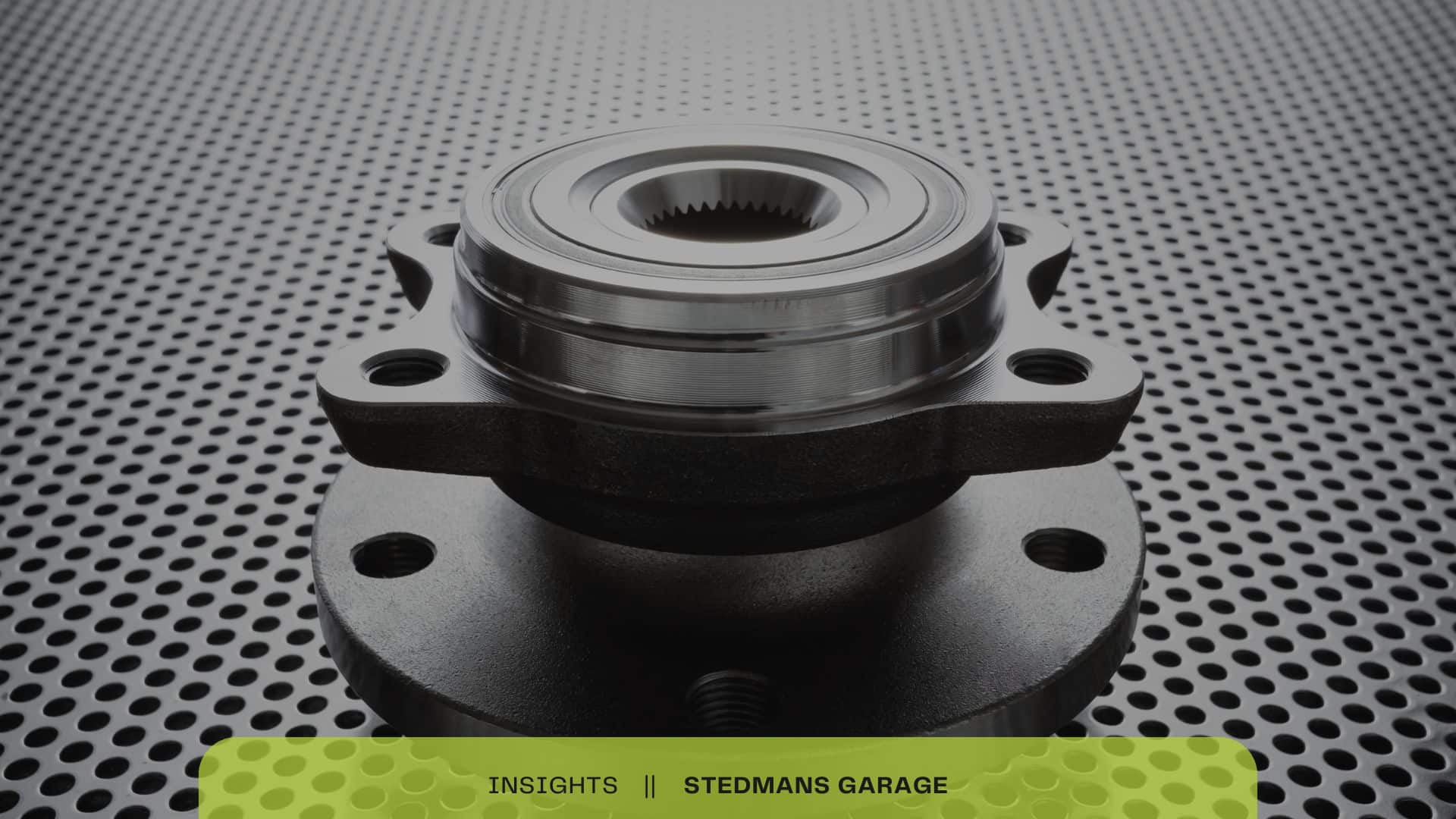
Rear axle bearings are critical components in a vehicle’s drivetrain, designed to support the weight of the vehicle and allow the rear wheels to rotate smoothly. These bearings provide a low-friction surface for the axle to turn, ensuring that power is effectively transferred from the engine to the wheels. In luxury vehicles like the Bentley Mulsanne, the quality of these bearings is paramount, as they contribute to the vehicle’s overall ride comfort, handling, and performance.
Importance in Luxury Vehicles Like the Bentley Mulsanne
In the context of the Bentley Mulsanne (2010–2020), the engineering of rear axle bearings is particularly sophisticated. Designed to handle the immense power of the Mulsanne’s V8 engine, these bearings must withstand high levels of stress and heat. The performance of these bearings directly affects the vehicle’s handling characteristics; any failure can lead to a noticeable degradation in performance, resulting in a less enjoyable driving experience.
Common Causes of Axle Bearing Failure in the Bentley Mulsanne
Wear and Tear
One of the primary causes of axle bearing failure is general wear and tear. Over time, the constant rotation of the axle can lead to the degradation of bearing surfaces. In the Bentley Mulsanne, this can be exacerbated by factors such as driving style, road conditions, and the frequency of maintenance.
Manufacturing Defects
While Bentley is known for its meticulous manufacturing standards, no production process is entirely free of defects. Occasionally, axle bearings may suffer from faults during production, leading to premature failure. Such defects can manifest in vibrations or noise that signal a potential issue.
Maintenance Neglect
Like any luxury vehicle, the Bentley Mulsanne requires regular maintenance to prevent axle bearing issues. Owners who neglect scheduled service intervals may find that dirt, debris, and moisture can infiltrate the bearings, leading to corrosion and eventual failure. Regular inspections and maintenance checks are essential to ensure the longevity of these components.
Real-World Scenarios
Real-world scenarios can illustrate these causes. For instance, a Bentley Mulsanne owner may notice increased noise from the rear end of the vehicle after driving on poorly maintained roads. This can indicate wear and tear on the axle bearings, necessitating an inspection. Similarly, a sudden decrease in handling performance could be traced back to a manufacturing defect in the bearings.
Signs and Symptoms of Axle Bearing Failure
Warning Signs to Look Out For
For Bentley Mulsanne owners, being proactive about identifying potential axle bearing issues can prevent severe damage. Some common signs of axle bearing failure include:
- Unusual Noises: A grinding or humming noise from the rear of the vehicle, particularly when turning or accelerating, can signal that the bearings are failing.
- Vibrations: Noticeable vibrations through the steering wheel or the chassis can indicate that the axle bearings are not functioning correctly.
- Handling Issues: If the vehicle feels unstable or pulls to one side, it may be due to worn axle bearings affecting the alignment.
Actionable Insights
If any of these symptoms are observed, it’s crucial for Bentley Mulsanne owners to take immediate action. The first step should be to consult a qualified technician for a thorough inspection. Ignoring these signs can lead to more extensive repairs and compromise safety.
Impact of Rear Axle Bearing Failure on Vehicle Performance
Consequences on Performance and Safety
The implications of rear axle bearing failure are significant and can affect both performance and safety. A failing bearing can lead to:
- Reduced Handling: As the bearings degrade, the vehicle’s handling characteristics can suffer, leading to a less responsive driving experience.
- Increased Repair Costs: Ignoring early signs of bearing failure can lead to catastrophic failure, resulting in costly repairs not only to the bearings themselves but potentially to other drivetrain components.
- Safety Risks: A complete failure of the rear axle bearings can lead to a loss of control, posing serious safety risks to the driver and others on the road.
Importance of Timely Maintenance
Regular maintenance is paramount in preventing rear axle bearing failure. Bentley Mulsanne owners should adhere to recommended service intervals as outlined in Bentley service reports and consider conducting additional inspections if they frequently drive in challenging conditions. This approach will not only enhance the lifespan of the bearings but also safeguard the overall performance and safety of the vehicle.
Maintenance Strategies and Recommendations

Effective Maintenance Tips for Bentley Mulsanne Owners
To prevent rear axle bearing failure and ensure optimal performance, Bentley Mulsanne owners should consider the following maintenance strategies:
- Regular Inspections: Schedule regular inspections with a qualified Bentley technician. These inspections should include checks of the axle bearings and related components.
- Change Differential Fluid: Ensure that the differential fluid is changed according to the manufacturer’s recommendations. Clean fluid helps reduce friction and wear on the bearings.
- Avoid Overloading: Excessive weight can place undue stress on the axle bearings. Always adhere to the manufacturer’s load recommendations to prevent premature failure.
- Drive Responsibly: Avoid aggressive driving styles that can increase wear on the drivetrain components, including the axle bearings.
- Monitor for Symptoms: Stay vigilant for any signs of axle bearing failure, such as unusual noises or vibrations, and act promptly if they occur.
Recommended Service Intervals and Trusted Service Centres
Bentley recommends specific service intervals for the Mulsanne, and adhering to these schedules is crucial. Regularly consulting Bentley service reports can guide owners on optimal maintenance practices. For those in the UK, trusted service centres include:
- Bentley Manchester: Known for their expertise in luxury vehicle maintenance.
- HR Owen Bentley: Offers specialised services and has a solid reputation among Bentley owners.
Case Studies and Reports of Axle Bearing Failures
Documented Cases of Failures
Several documented cases have surfaced regarding rear axle bearing failures in Bentley Mulsanne vehicles from 2010 to 2020. These reports often highlight common themes, including:
- High Mileage Vehicles: Many cases involve vehicles with high mileage, where the bearings have simply reached the end of their lifespan.
- Environmental Factors: Vehicles driven in harsh climates or on poorly maintained roads tend to exhibit higher rates of bearing failure, indicating the importance of the environment in maintenance considerations.
Analysis of Patterns
An analysis of these reports reveals a notable pattern: cars that received consistent maintenance and regular inspections demonstrated significantly fewer issues with axle bearing failures. This correlation reinforces the importance of proactive vehicle maintenance and the value of adhering to manufacturer recommendations.
Actionable Tips Section
Step-by-Step Advice for Bentley Mulsanne Owners
To ensure the longevity of rear axle bearings, Bentley Mulsanne owners should follow these actionable steps:
- Conduct Regular Inspections:
- Schedule a professional inspection every 6 months or 5,000 miles, whichever comes first.
- Pay attention to the technician’s insights regarding axle bearings.
- Perform Differential Fluid Changes:
- Follow a schedule of changing differential fluid every 30,000 miles or as recommended by the manufacturer.
- Use high-quality fluids specified for luxury vehicles.
- Check for Signs of Wear:
- Regularly listen for unusual noises while driving.
- Monitor for any vibrations or handling issues and address them immediately.
- Educate Yourself:
- Stay informed about common axle bearing problems by reading Bentley service reports and automotive literature.
- Keep Records:
- Maintain a detailed service history for your Bentley Mulsanne, noting any inspections, repairs, and fluid changes.
Conclusion
In conclusion, understanding rear axle bearing failure in the Bentley Mulsanne is essential for any owner, enthusiast, or professional involved in luxury vehicle maintenance. By being aware of the causes, symptoms, and effective maintenance strategies, Bentley Mulsanne owners can take proactive steps to protect their vehicles from potential issues. Regular inspections, timely maintenance, and attention to the signs of axle bearing failure are vital to ensuring the performance and safety of this prestigious vehicle.
Schedule your next inspection today and ensure your Bentley Mulsanne remains in peak condition for years to come. Don’t wait for issues to arise, be proactive and protect your luxury investment!