Introduction
In the realm of modern automotive engineering, air suspension systems have become a popular choice for enhancing ride comfort and vehicle handling. For owners of the Land Rover Discovery 3, understanding the intricacies of air suspension, particularly the air suspension compressor, is crucial. Failures in the air suspension compressor can lead to many issues, from uncomfortable rides to complete suspension failure. Thus, it is imperative for Discovery 3 owners to stay informed.
This comprehensive guide will explore the concept of air suspension, common causes of compressor failures, symptoms to watch for, diagnostic methods, repair options, and preventative maintenance strategies. By the end of this post, UK Discovery 3 owners will be equipped with the knowledge necessary to address air suspension compressor failures effectively, ensuring their vehicles remain in top condition.
What is Air Suspension and How Does It Work in the Discovery 3?

Air suspension is a type of vehicle suspension system that uses air-filled bags instead of traditional coil or leaf springs to support the vehicle’s weight. In the Land Rover Discovery 3, the air suspension system plays a crucial role in providing a comfortable ride, stability, and adaptability to varying loads.
Components of the Air Suspension System
The key components of the air suspension system in the Discovery 3 include:
- Air Bags: Flexible rubber components that inflate and deflate to adjust the ride height and absorb shocks.
- Air Compressor: The heart of the air suspension system, responsible for generating and maintaining the required air pressure within the air bags. It works in tandem with various sensors and control modules.
- Air Lines and Valves: These components facilitate the flow of air between the compressor and the air bags, allowing for real-time adjustments.
Advantages of Air Suspension Systems
- Improved Ride Quality: Air suspension provides a smoother ride by absorbing road imperfections, making it ideal for both daily driving and off-road adventures.
- Adjustable Ride Height: Owners can adjust the ride height for better ground clearance when off-roading or lower the vehicle for easier access when entering or exiting.
- Enhanced Load Carrying: The system can automatically adjust the suspension to maintain level ride height, even when carrying heavy loads.
While air suspension offers numerous benefits, it is not without its challenges. Understanding the potential causes of air suspension compressor failures is essential for maintaining the performance and comfort of the Discovery 3.
Common Causes of Air Suspension Compressor Failures

Air suspension compressor failures in the Discovery 3 can arise from various factors, each contributing to decreased performance or complete failure. Below are some of the most common causes:
- Wear and Tear
Just like any mechanical component, air compressors experience wear and tear over time. Seals can degrade, leading to air leaks, while internal components can wear down, reducing efficiency.
Example: A high-mileage Discovery 3 may exhibit signs of compressor wear, such as prolonged operation or failure to maintain ride height. - Electrical Issues
The air suspension system relies heavily on electrical components. Faulty wiring, corroded connectors, or blown fuses can impede the compressor’s operation, leading to failure.
Example: If a Discovery 3 experiences intermittent power loss to the compressor, it may lead to erratic ride height adjustments or failure to inflate the air bags. - Environmental Factors
The UK’s diverse weather conditions can impact air suspension systems. Moisture can seep into electrical components, causing corrosion, while extreme temperatures can affect rubber seals and bags.
Example: A Discovery 3 frequently exposed to wet conditions may face higher rates of compressor failure due to moisture-related corrosion. - Contaminants
Dirt and debris can enter the air system, clogging air filters and affecting compressor performance. Regular maintenance is essential to prevent this.
Example: A poorly maintained Discovery 3 may struggle to maintain air pressure due to a clogged air filter, leading to compressor overload and eventual failure. - Improper Installation or Maintenance
If the air suspension system or compressor is improperly installed, it can lead to premature failure. Similarly, neglecting routine maintenance can exacerbate existing issues.
Example: A Discovery 3 owner who skips regular inspections may find their compressor failing suddenly due to undetected leaks or blockages.
Symptoms of Air Suspension Compressor Failures
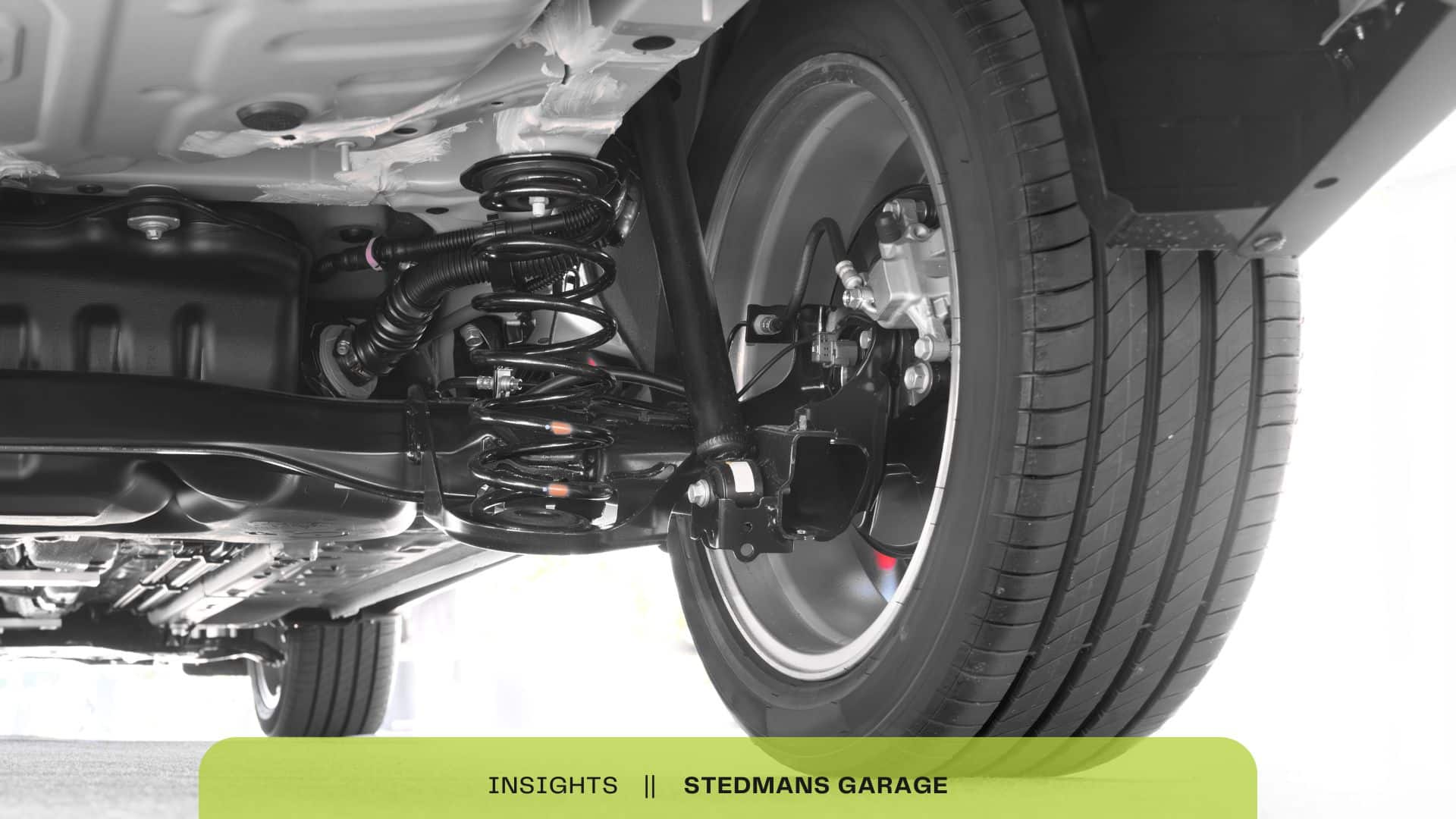
Recognising the symptoms of air suspension compressor failures early can save Discovery 3 owners both time and money. Here are the key signs to watch for:
- Warning Lights
One of the first indicators of air suspension issues is the illumination of warning lights on the dashboard. The air suspension warning light may activate, alerting you to potential problems. - Ride Height Issues
If the vehicle appears to sit lower than normal or one corner is noticeably lower than the others, it may indicate a failing compressor or air leak.
Example: A Discovery 3 that leans to one side could be a sign of a failed air bag or compressor malfunction. - Noisy Operation
An air suspension compressor that operates loudly or continuously can indicate that it is struggling to maintain pressure, suggesting potential failure. - Poor Ride Quality
If the vehicle feels bouncy or unstable, it may be due to insufficient air pressure in the suspension system, which can stem from compressor issues. - Frequent Compressor Operation
If the compressor engages more frequently than usual, it may be working overtime to compensate for air leaks or other issues within the system.
Diagnosing Air Suspension Compressor Issues
Diagnosing air suspension compressor issues in the Land Rover Discovery 3 can be done through a series of systematic steps. Here’s a comprehensive guide:
Step 1: Visual Inspection
Start with a thorough visual inspection of the air suspension components. Look for signs of wear, leaks, or damage to the air bags, compressor, and air lines.
Step 2: Check for Fault Codes
Utilise an OBD-II scanner to check for any fault codes related to the air suspension system. These codes can provide valuable insight into the nature of the problem.
Step 3: Test the Compressor
Listen for the compressor’s operation. If it is not engaging or is unusually loud, there may be an underlying issue.
Step 4: Pressure Testing
Use a pressure gauge to check the air pressure in the suspension system. This test can help identify leaks or compressor inefficiencies.
Step 5: Examine Electrical Connections
Inspect all electrical connections related to the air suspension system for corrosion or damage. Ensure that all connections are secure and functioning.
Tools and Techniques
UK mechanics may employ specialised diagnostic tools tailored for Land Rover vehicles to ensure accurate assessments. Regularly scheduled maintenance checks can also help catch issues early on.
Repairing or Replacing the Air Suspension Compressor

When faced with air suspension compressor issues, Discovery 3 owners generally have two primary options: repair or replacement. Each approach has its advantages and disadvantages.
Repair Options
- Seal Replacement: If the compressor is leaking air, it may be possible to replace just the seals rather than the entire unit.
Advantages: Cost-effective and less time-consuming.
Disadvantages: May not address underlying wear in the compressor itself. - Component Repair: Some internal components of the compressor can be repaired or replaced.
Advantages: Extends the life of the existing compressor.
Disadvantages: Repairs may not be a long-term solution if the compressor is significantly worn.
Replacement Options
- OEM Compressor Replacement: Replacing the compressor with an Original Equipment Manufacturer (OEM) part ensures compatibility and reliability.
Advantages: Guaranteed fit and function; typically comes with a warranty.
Disadvantages: Higher cost compared to aftermarket options. - Aftermarket Compressor: Purchasing a compressor from a third-party manufacturer may offer cost savings.
Advantages: Often less expensive.
Disadvantages: Quality may vary, and warranties may not be as comprehensive.
Regulations and Considerations for UK Drivers
When considering repairs or replacements, UK drivers should ensure that components meet local regulations and standards. Using OEM parts can often provide peace of mind in terms of compliance and reliability.
Preventative Maintenance for Air Suspension Systems
To prevent air suspension compressor failures in the Discovery 3, regular maintenance is essential. Here’s a checklist of actionable maintenance tips:
Routine Inspections
- Check air bags for signs of wear or damage.
- Inspect air lines and connections for leaks or abrasions.
- Ensure the compressor operates smoothly without unusual noises.
Regular Cleaning
- Clean the compressor and surrounding areas to prevent dirt buildup.
- Replace air filters as needed to ensure proper airflow.
Monitoring Performance
- Keep an eye on ride height and adjust as necessary.
- Listen for unusual sounds during compressor operation.
Professional Inspections
- Schedule regular professional inspections, especially if you notice any symptoms of failure.
Actionable Tips for Discovery 3 Owners
Step-by-Step Maintenance Checklist
- Check Air Pressure: Regularly inspect the air pressure in the suspension system using a gauge.
- Inspect Components: Look for leaks, cracks, or signs of wear in air bags and lines.
- Listen to the Compressor: Pay attention to how the compressor sounds during operation.
- Monitor Ride Height: Check the vehicle’s ride height frequently to ensure it remains consistent.
Recommended Frequency
- Monthly: Quick visual checks and air pressure monitoring.
- Every 6 Months: In-depth inspections and cleaning.
- Annually: Comprehensive professional inspection.
Conclusion
Understanding air suspension compressor failures in the Land Rover Discovery 3 is vital for ensuring a comfortable and safe driving experience. By recognising the causes, symptoms, and solutions associated with air suspension issues, UK owners can take proactive measures to maintain their vehicles effectively.
With a commitment to regular maintenance and a keen eye for potential problems, Discovery 3 owners can prolong the life of their air suspension systems and enjoy the full benefits of their vehicles. If you suspect an issue with your air suspension compressor, don’t hesitate to consult a professional or check your system today!