Introduction to Audi S-Line Suspension Systems
What Sets S-Line Suspension Apart
Audi’s S-Line suspension is designed to create a sportier driving experience compared to standard models. Key differences include lowered ride height, usually around 15–20mm, and a firmer overall setup. This is achieved by fitting stiffer springs and dampers, refining how the car handles, especially in corners. Compared to standard suspensions, the S-Line system delivers a more engaging and responsive character while driving.
Benefits and Limitations
Owners benefit from improved cornering stability and reduced body roll. The firmer setup keeps the car flatter and more predictable during turns, making it feel more composed at speed. Aerodynamics and traction are also enhanced thanks to the car’s lower stance.
However, the stiffer ride quality can lead to a harsher feel on poor road surfaces. Some drivers may find comfort is reduced, especially during daily commuting or on rough roads. The harder components can wear faster in challenging conditions, highlighting the need for regular inspection and maintenance.
A good understanding of each suspension component helps when facing future maintenance or upgrades.
Understanding Audi S-Line Suspension Components
Key Components in S-Line Suspension
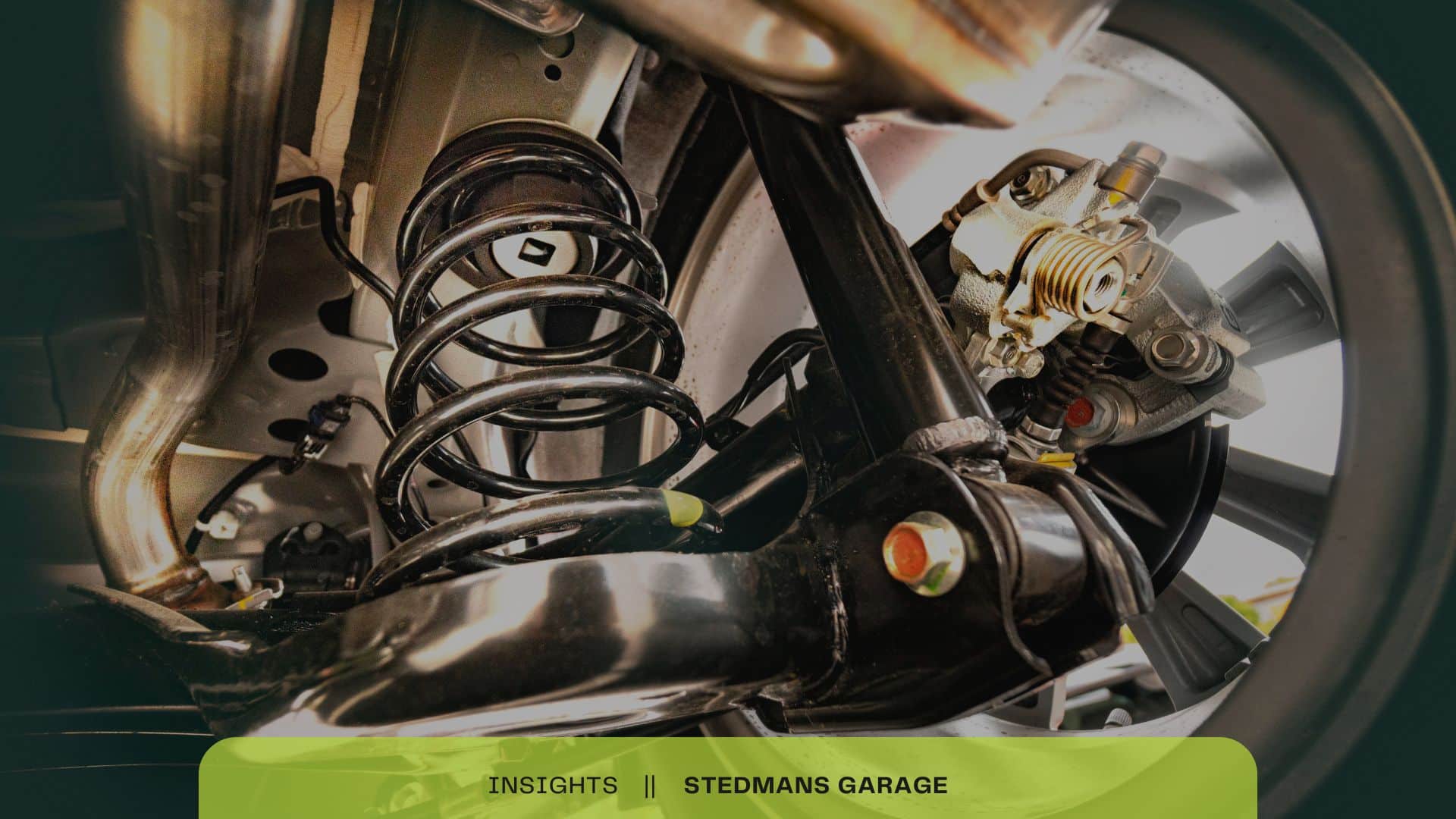
Audi S-Line suspension uses several main components to achieve its sporty performance. These include stiffer coil springs, firmer shock absorbers (dampers), upper and lower control arms, anti-roll bars, and bushings. These elements work together to provide responsive handling and a more connected feel to the road.
Differences from Standard Suspension
The biggest difference between standard and S-Line suspension is the lowered ride height, typically 15–20mm lower than non-S-Line models. The S-Line setup also uses firmer springs and dampers, which improve cornering and reduce body roll but make the ride stiffer and sometimes less comfortable on rough roads. Braking and steering components can also be upgraded in S-Line models for a more precise driving experience.
Adaptive Suspension Options
Some higher-specification S-Line models offer adaptive suspension systems. Adaptive suspension uses electronically controlled dampers or air springs, which adjust in real time based on road conditions, speed, and driving mode. These systems can switch between comfort and sportier settings, allowing drivers to tailor ride quality and handling to their preference.
Understanding each component is crucial for identifying common issues and planning any maintenance or repairs effectively.
Common Faults in S-Line Suspension Systems
Typical Issues Owners Experience
Owners of Audi S-Line models often report several suspension-related faults. The sportier, firmer setup can lead to premature wear in components such as shocks, struts, and control arms. Specific concerns include worn or leaking shock absorbers, sagging springs, and damaged bushings or ball joints. These issues can be more frequent in S-Line cars compared to standard models, primarily due to the extra stress from the lowered, stiffer configuration and firmer ride.
Recognising Warning Signs
Knowing the warning signs is vital. Common indicators of suspension problems include:
- Warning lights on the dashboard, especially for adaptive or air suspension faults
- Clunking, knocking, or squeaking noises from the wheel area
- Excessive bouncing or a harsh, uncomfortable ride
- Vehicle pulling to one side, or one corner appearing lower than others
- Difficulty steering or noticeable body roll in corners
Some drivers also notice uneven tyre wear and the car dipping when braking. In S-Line models with adaptive systems, warning lights may appear if there is a loss of pressure or electronic malfunction in the air suspension.
Comparison to Standard Suspension
S-Line suspension faults often appear sooner or more frequently than in standard Audi models because of the increased firmness and reduced ride height. These factors put extra strain on joints, mounts, and dampers, especially when driven on rough UK roads.
Understanding these faults will assist in timely identification and prevent advanced wear or secondary damage.
Diagnosing Suspension Problems
Visual Checks
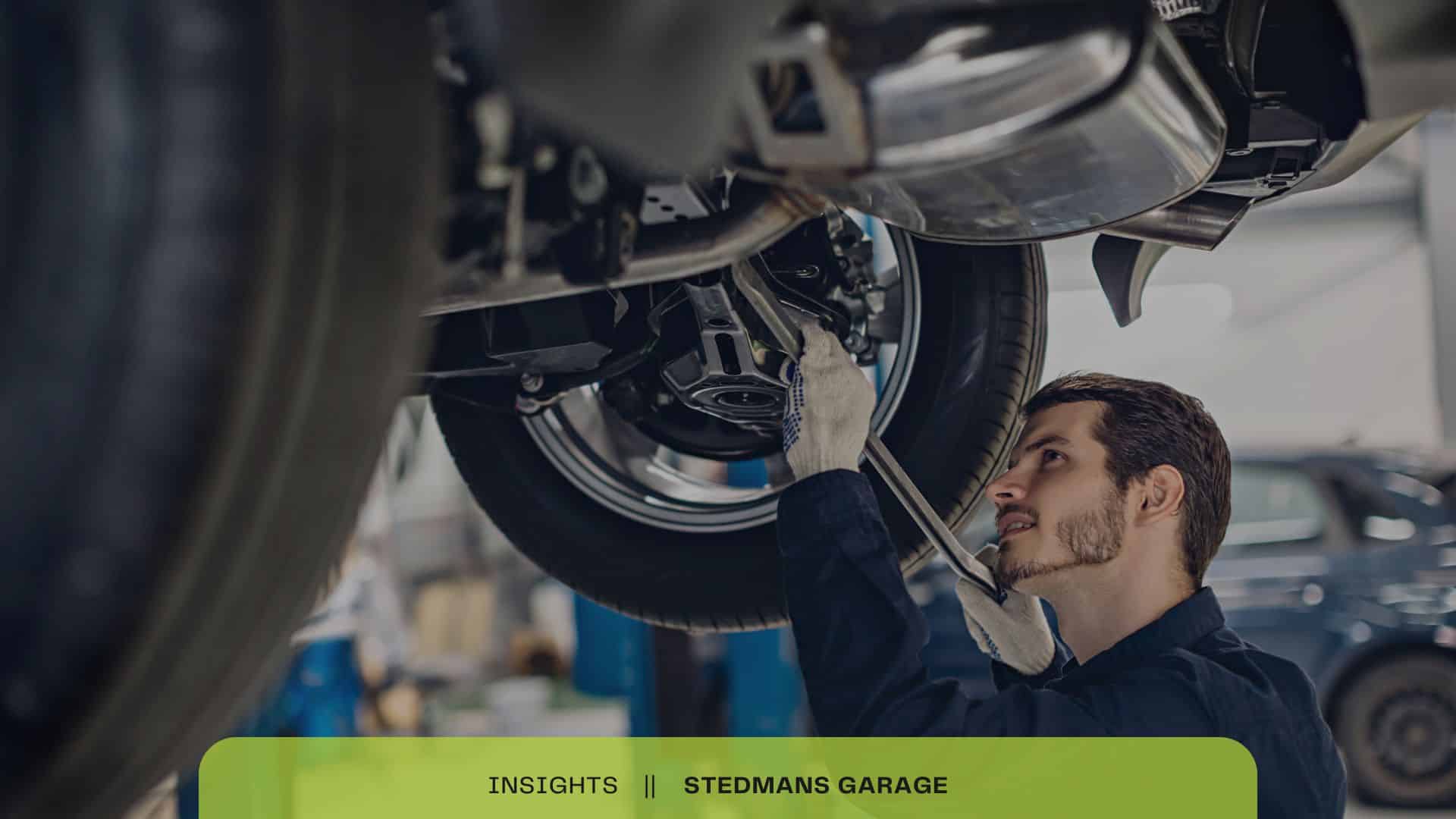
Begin with a careful inspection of your Audi S-Line suspension. Look for signs of wear, cracks, or leaks in components such as shocks, struts, and bushings. Check for uneven tyre wear, which may indicate misalignment or worn suspension parts. Examine control arm bushings closely; any visible splitting or deformation suggests failure may be imminent. Signs of leaking fluid around dampers indicate potential shock absorber issues.
Understanding Warning Lights and Error Messages
Your dashboard may display a suspension system warning light. For adaptive or air suspension setups, warning lights can signal faults in electronic or mechanical systems. These lights often appear as a car icon with arrows or a specific suspension symbol. Such warnings may indicate a problem with ride height adjustment or air system leaks, especially on models fitted with adaptive air suspension. A diagnostic scan using Audi-specific tools may be needed for further investigation.
Simple Owner Tests
You can perform a basic bounce or jounce test by firmly pressing down on each corner of your vehicle. The car should rebound once and settle; repeated bouncing indicates worn shocks or struts. Listen for unusual noises, knocking or creaking when going over bumps can signal worn bushings or joint issues. Noticing excessive body movement, unstable handling, or changes in ride height also points toward underlying suspension faults.
By using these straightforward checks and interpreting warning signs, you can quickly identify when your suspension needs attention.
Control Arm Issues and Repairs
Common Problems with Control Arms
Audi S-Line models often face control arm wear sooner than standard versions due to their firmer suspension and lowered stance. This setup increases strain on control arm bushings and ball joints. Over time, bushings can split or deform, and the ball joints may develop excessive play. Common symptoms include a knocking sound from the front suspension, uneven tyre wear, and vague or wandering steering. Regular checks help prevent these issues from becoming severe.
Diagnosing Faulty Control Arms
Begin with a visual inspection. Look for cracked or leaking bushings and rust around mounting points. With the car safely lifted, use a pry bar to gently apply force to the control arm to check for excessive movement. Examine the ball joints for looseness or split rubber boots. If there is play or damage, replacement is recommended. Address any dashboard suspension warning lights promptly, as these may indicate linked faults.
DIY Control Arm Replacement Steps
- Park the car on a flat surface and secure it with axle stands.
- Remove the wheel to access the control arm.
- Unbolt the ball joint and detach it from the steering knuckle.
- Undo the control arm mounting bolts.
- Remove the worn control arm and fit the new one, ensuring proper orientation.
- Refit bolts and torque them to manufacturer specifications.
- Reconnect the ball joint and torque to specification.
- Refit the wheel, lower the car, and check alignment.
Careful handling of bushings and correct torque values are vital to avoid premature failure.
This attention to control arm condition can help maintain optimal suspension performance and prevent related component wear.
Damper and Spring Failures
Identifying Worn Dampers and Springs
Worn dampers in Audi S-Line vehicles often cause a knocking or clunking sound, especially when driving over uneven surfaces. You may notice the car feels unsettled, bouncing excessively after hitting bumps. Springs showing signs of age or fatigue can lead to a lower-than-normal ride height on one side, uneven tyre wear, or a more pronounced nose-dive under braking. Wandering steering and vibration through the wheel are additional indications that these components may need attention.
Effects of the Firmer Suspension Setup
The S-Line’s firmer springs and dampers improve road holding, but this stiffer configuration accelerates wear compared to standard setups. Frequent travel on poor or uneven roads, common in the UK, can speed up fatigue, causing cracks or breaks in springs and leading to leaking or weaker shocks. The increased stress can produce distinct wear patterns, such as flattening of the coil ends or oil stains near struts.
Replacement Choices
If replacement is necessary, you can choose OEM (Original Equipment Manufacturer) parts to maintain original performance, or look at aftermarket alternatives, which may offer adjustability or enhanced comfort. Both options should match the model’s specific requirements and ensure safety and handling are not compromised. Selecting well-reviewed brands and fitting components, combined with careful installation, will help preserve suspension function for the long-term.
Regular inspection and prompt replacement of worn components will help prevent further suspension issues.
Adaptive Suspension Faults
Common Issues in Higher-Spec S-Line Models
Audi S-Line models equipped with adaptive or air suspension offer a blend of comfort and responsive handling. However, these systems can develop faults. Frequent issues include leaking air struts, faulty ride height sensors, and compressor failures. Owners often report a sudden drop in ride height at one or more corners or an uneven stance after parking. In many cases, malfunction warnings appear on the dashboard, alerting you to an air suspension problem.
Diagnosing Electronic and Mechanical Problems
A failing air compressor is one of the more frequent electronic faults. Signs include a stubbornly low ride height or grinding noises from under the car while the system attempts to level the suspension. Mechanical problems, such as leaky airbags or worn seals, can be identified through a visual inspection for damp patches around the struts. You may also notice the car sitting lower overnight, indicating slow leaks. Fault diagnosis may require a scan tool to read error codes specifying the faulty area.
Troubleshooting Suspension Warning Lights
Adaptive suspension warning lights should never be ignored. They often indicate pressure loss, sensor malfunctions, or control unit errors. If a light appears, inspect the vehicle for obvious leaks and listen for repeated compressor activation. Error messages help narrow down the fault; for example, “Check Level Control System” usually points to air system problems. Continuing to drive with a fault may lead to more severe and costly repairs.
When repairing or replacing these components, always confirm the fault before starting work to avoid unnecessary expenses.
DIY Suspension Repair Tools and Preparation
Essential Tools for S-Line Suspension Repairs
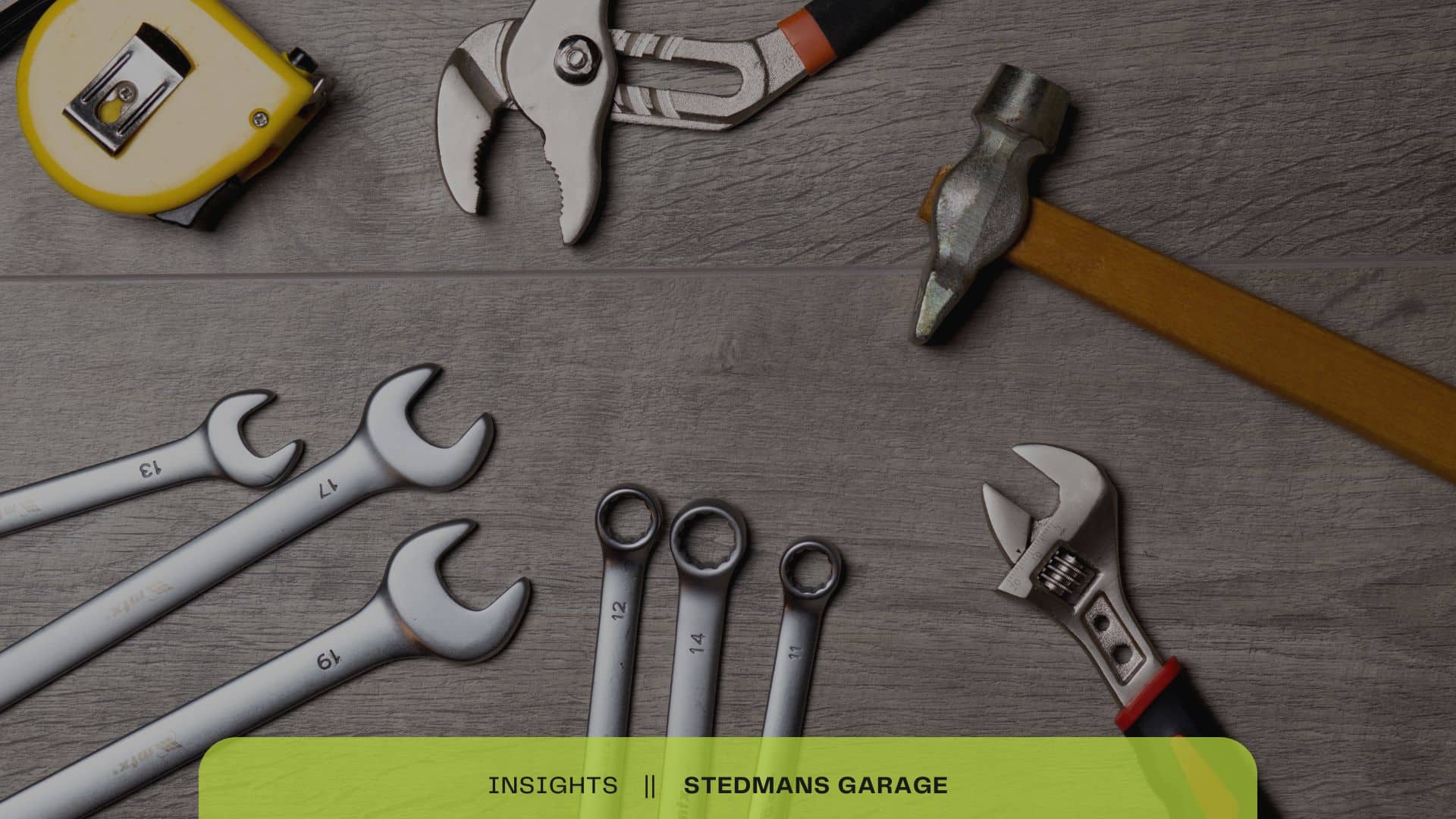
Working on Audi S-Line suspension demands the right set of tools. At a minimum, you will need a reliable jack and axle stands to support the vehicle. A socket set with metric sizes, torque wrench, breaker bar, and a selection of spanners are crucial. Additionally, a spring compressor is essential for safe removal of coil springs. Pry bars, pliers, and hammer may also be necessary for loosening stubborn components. For vehicles with adaptive or air suspension, an OBD2 scanner helps read any fault codes before and after repairs.
Safety Considerations
Suspension work can be hazardous if not approached carefully. Always ensure the car is parked on a level surface and that the wheels are chocked. Use high-quality axle stands, never rely solely on a hydraulic jack. Wear gloves and eye protection, particularly when handling springs, as they can be under high tension. Before starting, disconnect the battery if you are working near any electrical components.
Preparation Steps Before Repair
Begin by consulting your vehicle’s manual for torque specifications and component diagrams. Loosen wheel nuts before lifting the car but remove them only when the car is secure on stands. Organise all parts and tools you’ll need within reach. Clean the area around suspension mountings to make inspection and access easier. Taking photos before dismantling can help with correct reassembly.
Simple preparation and careful tool selection lay the groundwork for a safe, effective suspension repair.
Step-by-Step Suspension Component Replacement
Preparing for the Replacement
Before starting, ensure the car is on a flat, stable surface. Use wheel chocks and set the parking brake. Gather the right tools: a jack, axle stands, a socket set, torque wrench, and a spring compressor. Have the new suspension components ready and check they match the vehicle model.
Removing Worn Components
Start by lifting the car and supporting it safely on axle stands. Remove the wheel to access the suspension. Loosen and remove the bolts securing the faulty component, such as a damper, spring, or control arm. Take care when detaching springs, as they remain under tension and need a spring compressor for safe removal. Carefully withdraw the worn part from its mounting.
Installing New Parts
Position the replacement component, making sure it is aligned with mounting points. Finger-tighten bolts at first, then use a torque wrench to reach the specification found in the service manual. Proper torque is crucial to prevent uneven wear or further damage.
Ensuring Correct Alignment
Once all components are fitted and tightened, lower the car and check wheel alignment. Poor alignment causes uneven tyre wear and unpredictable handling. A professional wheel alignment is recommended after completing any suspension work.
Regular checks and methodical installation help maintain the safe and reliable performance expected from Audi S-Line suspension.
When to Seek Professional Help
Complex Suspension Issues
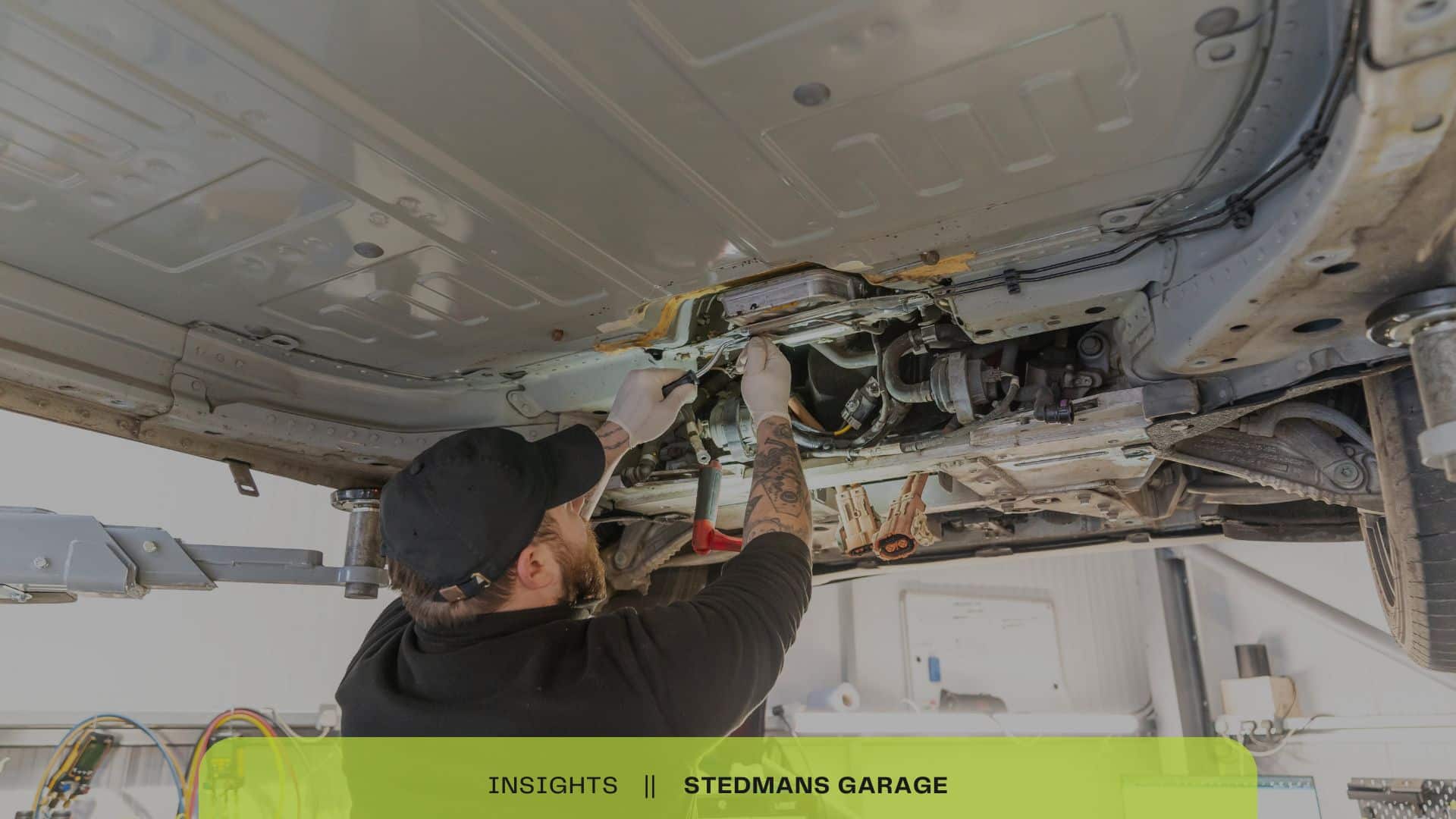
Certain Audi S-Line suspension faults require specialist attention. Air suspension leaks, damaged struts, or problems with adaptive systems involve high-pressure components and electronics. Attempting repairs without the right experience or diagnostic equipment can risk further damage or personal injury. Issues like a sagging corner, persistent warning lights, or major steering instability should not be delayed, these need advanced diagnostic tools and specialist knowledge to resolve safely and effectively.
Cost Comparison: DIY Repairs vs. Professional Service
DIY repairs may save on labour, but component costs remain significant. For example, UK suspension repairs can range from £100 to £600 per corner for common issues, while complex faults or full system replacements are higher. Professional labour adds to this cost, but specialists provide accurate diagnostics, quality workmanship, and often a warranty on repairs. For high-value vehicles, professional service helps protect resale value and safety.
Finding a Reputable Audi Suspension Specialist
Look for independent Audi specialists or authorised service centres with experience in diagnostics and repairs for your model. Check for mechanics with Audi certifications and positive customer reviews. Good specialists use the correct diagnostic equipment and high-quality OEM or like-for-like replacement parts.
With the fundamentals of when to get expert help established, it is crucial to take preventative steps to reduce costly future repairs.
Preventative Maintenance for S-Line Suspension
Recommended Maintenance Schedule
To maximise reliability from your Audi S-Line suspension, follow a strict maintenance plan. Audi recommends fixed servicing every 9,000 miles or 1 year, with some vehicles offering flexible intervals up to 19,000 miles or 2 years. However, due to the firmer setup and added strain on S-Line components, stick to more frequent checks, particularly for control arms, bushings, and dampers. Include regular oil and filter changes, and never skip scheduled services, as delays can cause premature wear or result in costly repairs later.
Inspection Routines for Early Detection
Stay proactive with monthly inspections. Perform a bounce test at each corner to check for unusual movement. Look beneath the car for leaking fluids at shocks or struts. Examine control arms and bushings for splitting or excessive play. Listen for new clunks or creaks over speed bumps, which may indicate loose or worn components. Check tyre wear for uneven patterns, as this could signal misalignment or underlying suspension issues.
Considerations for UK Road Conditions
UK roads are notorious for potholes and rough surfaces, which accelerate S-Line suspension wear due to the firmer, lower setup. Increase inspection frequency during winter months when road salt and potholes are more common. Address small issues immediately, minor faults can quickly escalate on challenging roads. Using quality replacement parts and ensuring correct wheel alignments can help prolong the lifespan of your S-Line suspension.
Routine care and immediate attention to emerging issues are key to enjoying the benefits of enhanced handling and cornering stability in your Audi S-Line.
Upgrading vs. Standard Replacement

Considering Your Suspension Options
Audi owners often face a decision: swap worn components with standard replacements or upgrade to S-Line suspension. Upgrading involves installing firmer springs, dampers, and lower ride height spacers pushed from S-Line models. This upgrade can benefit standard Audi models by improving handling and reducing body roll, giving a sportier feel on corners.
Aftermarket Upgrade Pros and Cons
Some wish to go further and select aftermarket performance kits.
Pros include:
- Better handling than OEM S-Line in some cases
- Potential for adjustable settings to fine-tune ride
- Enhanced visual appeal
Cons include:
- Increased ride harshness, especially on UK roads
- Higher risk of accelerated wear to bushings and joints
- Insurance premiums may rise
Balancing Comfort and Handling
When upgrading, consider the trade-offs. S-Line or aftermarket setups sharpen handling but often reduce ride comfort, especially over rough surfaces. Retaining everyday comfort means careful selection of spring rates and damper stiffness. Always match components for correct fitment and avoid compromising safety or reliability.
Making informed choices here ensures continued confidence in your Audi’s handling and comfort.
Conclusion: Maintaining Your Audi S-Line Suspension
Key Considerations for Optimal Condition
Keeping an Audi S-Line suspension system in top shape involves a balanced approach. Regular inspections are vital for spotting early signs of wear, such as uneven tyre wear, knocking sounds, or warning lights. Preventative checks on springs, dampers, and control arms can help avoid costly repairs, particularly given the firmer setup and increased stress these parts endure on UK roads.
Balancing Performance and Maintenance
The S-Line suspension delivers improved handling and reduced body roll, enhancing driving enjoyment. However, this comes at the expense of a slightly harsher ride and higher maintenance demands, especially over rough surfaces. Using quality replacement parts and addressing minor issues promptly can protect both comfort and performance.
Long-Term Ownership
Long-term reliability hinges on a strict maintenance routine and attention to dashboard alerts. Regular servicing ensures stability and safety, and supports resale value. Proactive care helps an S-Line model deliver rewarding performance without excessive repair costs.