Introduction to Bentley Continental GT Suspension Systems
Luxury, Innovation, and Demand
The Bentley Continental GT, produced from 2003 to 2018, established itself as a benchmark in the grand touring segment. This model range is known for its luxurious interiors, strong engine performance, and advanced features. The car’s blend of elegance and capability made it a favourite choice for those who demand high standards in ride comfort and handling.
Advanced Air Suspension: How it Shapes the Ride
One of the standout features of these models is the advanced air suspension system. This system replaces traditional steel springs with rubber and polyurethane air springs, filled by an onboard compressor. The air suspension includes essential components such as air struts, dampers, and height sensors. These work together, managed by an electronic control unit, to keep the car at an ideal height and provide a ‘cloud-like’ ride regardless of road surface. This technology allows for adjustments based on load and driving conditions, greatly improving stability and comfort.
Why Suspension Knowledge Matters for UK Owners
For UK owners, understanding the Continental GT’s suspension is essential. British driving conditions, including varying road surfaces and climate, place consistent demands on these components. Air suspension issues, such as uneven ride height or ride comfort loss, are common if maintenance is neglected or faults are missed. Since repair costs can reach several thousand pounds, staying informed reduces both risk and ownership expense.
A clear grasp of how the Continental GT’s suspension operates helps owners maintain the quality and value synonymous with the Bentley name.
How the Bentley Air Suspension System Works
Key Components
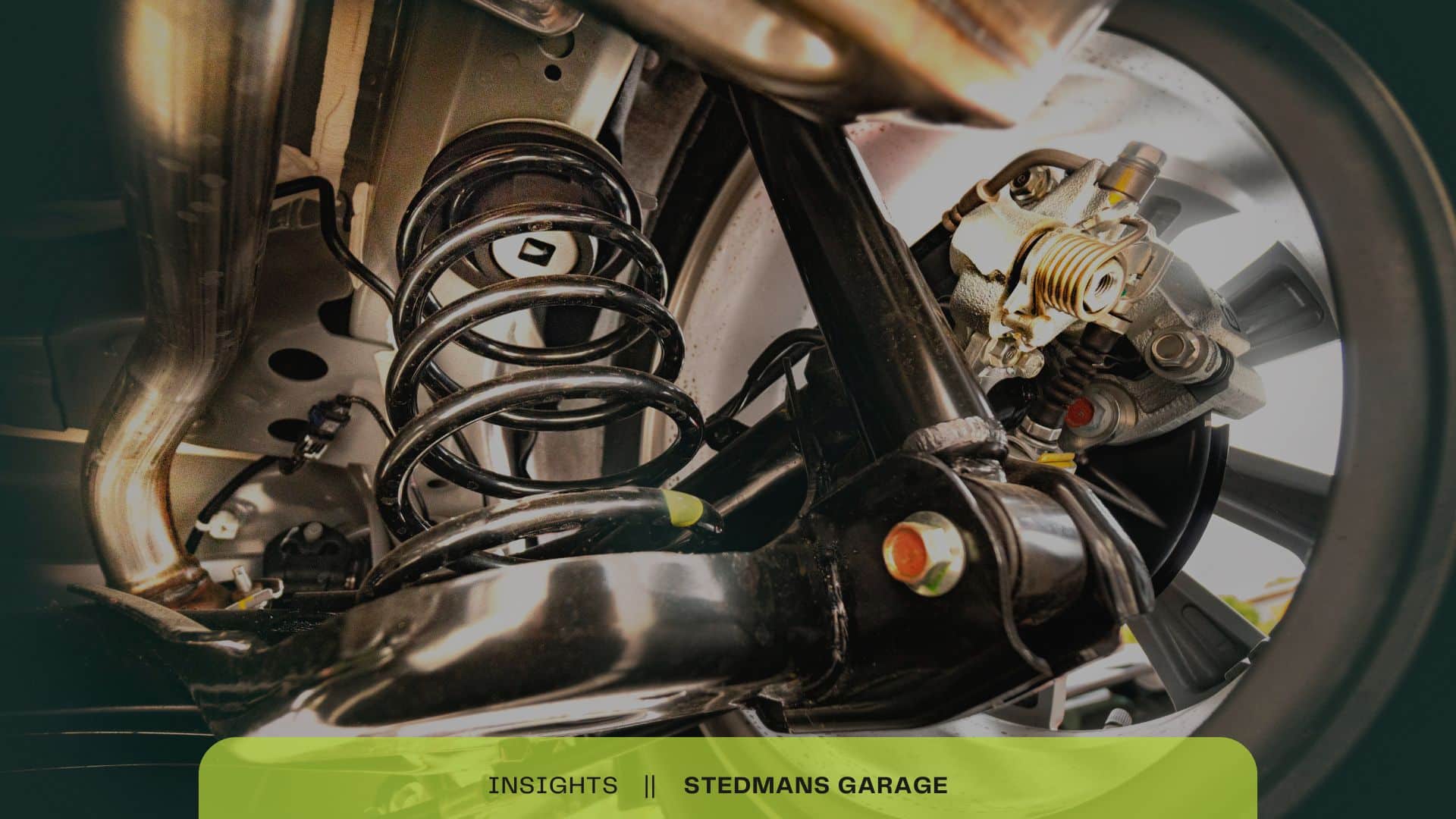
The Bentley Continental GT’s air suspension relies on several core components at each wheel: air springs (or airbags), struts, dampers (shock absorbers), a central compressor, sensors, and a control module. The air springs are made from rubber and polyurethane, designed to absorb road vibrations. The on-board compressor fills these springs with air via a valve block and air hoses, ensuring each spring maintains the correct pressure. The struts support vehicle weight and absorb impacts, while dampers manage oscillations for a stable ride. Height sensors at each corner provide real-time data on the car’s position relative to the ground.
Control and Adjustment
An electronic control unit (ECU) is at the heart of the system. It continuously receives input from ride height sensors and evaluates road conditions. If a corner sits too high or low, the ECU activates the compressor to add or release air by opening the appropriate valves. This real-time adjustment maintains optimal ride height, corrects for load changes, and helps keep the car level during sharp turns or under heavy braking. The ECU’s precise management is crucial for ride stability and performance.
Benefits for Ride and Handling
The air suspension system offers a very smooth drive, effectively absorbing bumps and vibrations, which is especially important on uneven UK roads. It allows for adaptive ride height and damping, letting the car lower itself at speed for stability or raise up for extra ground clearance. This sophisticated system also prevents premature tyre wear by keeping the wheels firmly in contact with the road. The result is superior ride comfort and reassuring handling, both hallmark traits of the Bentley Continental GT.
Understanding how these systems work prepares owners for recognising potential issues.
Common Suspension Problems in Bentley Continental GT
Air Leaks and Uneven Ride Height
One of the most frequent issues in the Bentley Continental GT’s air suspension is air leakage. The air springs, which are essential to ride comfort, can develop small punctures or splits over time. Environmental factors such as cold weather and road debris compound this risk. Leaks may also occur in the air lines connecting the compressor to the springs. These leaks cause the vehicle to sit unevenly, with one corner or side sitting lower, especially after being parked overnight. A telltale sign is a hissing noise when the system attempts to compensate for lost air.
Electronic Malfunctions
The Continental GT’s suspension system relies heavily on electronic control modules and sensors. These components track vehicle height and road conditions, adjusting the air springs as needed. Malfunctions in height sensors or the control unit can trigger dashboard warning lights. These electronic failures can also prevent the correct adjustment of the suspension, resulting in harsh ride quality or noticeable handling issues.
Compressor Failures
The air compressor is critical for maintaining system pressure. Overworked compressors, often strained by unresolved air leaks, may burn out. When the compressor fails, the car struggles to reach the correct ride height or cannot keep itself level, particularly after extended parking. Dashboard alerts and trouble maintaining height are common symptoms of compressor issues.
Understanding these suspension problems helps owners spot faults early, minimising the risk of expensive repairs as these issues progress.
Early Warning Signs of Suspension Issues
Recognising Dashboard Warning Alerts

Modern Bentley Continental GTs are equipped with a dedicated dashboard warning light for suspension faults. This indicator typically appears as a car with double-ended arrows underneath it. When illuminated, it suggests the system has detected a problem, such as air leaks or inadequate compressor output. These issues often compromise ride comfort and handling, requiring the attention of a specialist as soon as possible.
Uneven Vehicle Stance After Parking
A classic early sign of air suspension trouble is an uneven stance or noticeable sagging at one corner after the car has sat overnight. This is commonly due to slow air leaks in air springs or valves, or faulty ride height sensors. In some cases, drivers may observe the car sitting lower than usual before the system self-levels after engine start. Persistent unevenness should not be ignored, as it can lead to further component wear.
Noises and Deteriorating Ride Quality
Abnormal noises such as clunks, creaks, or rattles during driving can signal worn or damaged air struts, dampers, or even internal air leakage. These noises, along with a harsher, more unsettled ride, are signs that suspension components may be failing. Poor handling or increased stopping distances can also accompany these symptoms, underlining the need for prompt diagnosis.
Recognising these early warning signs gives Bentley owners a chance to address suspension faults before costly repairs or loss of ride comfort occur.
Diagnosing Suspension Problems
The Bounce Test
The ‘bounce test’ is a practical first step for owners to check the suspension health of each corner on a Bentley Continental GT. To perform this, press your full weight down on one corner of the car and then release. The car should bounce no more than two or three times before settling. If it continues bouncing beyond this, there may be wear in the air springs, dampers, or associated components, suggesting the suspension is no longer absorbing shocks effectively. This straightforward method is useful for quickly spotting issues before seeking professional help.
Visual Suspension Inspection
After performing the bounce test, a thorough visual inspection should follow. Look for obvious signs, such as oil leaks from air struts, cracked or perished rubber air bags, and uneven vehicle stance. Examine the shock absorber mounts, bushings, and control arms for excessive wear or damage. Check tyre tread for abnormal patterns, as uneven wear often indicates suspension misalignment or component faults. Listen for clunking or squeaking sounds when pressing down or driving over bumps, which may signal internal wear in joints or struts.
Reading Diagnostic Error Codes
Modern Bentleys are equipped with advanced suspension control systems that log error codes when faults are detected. Using an OBD-II diagnostic scanner, owners or technicians can read specific chassis (C) codes related to the suspension. These codes help pinpoint issues such as sensor faults, electronic module errors, or compressor problems. Early intervention, prompted by these diagnostics, can prevent further damage and reduce long-term repair costs.
Effective diagnosis using a combination of simple physical checks and modern electronic tools ensures that potential suspension faults are identified before they develop into more serious and expensive issues. This approach supports ongoing reliability and ride comfort.
Repair Options for UK Bentley Owners

Choosing Where to Repair
UK Bentley Continental GT owners face a key decision: use a main dealer or an independent specialist. Dealerships offer factory-trained technicians and access to original parts. This can provide peace of mind, especially with complex air suspension faults. However, dealer labour rates and parts mark-ups are noticeably higher than independent garages, especially when the vehicle is out of warranty. Conversely, reputable independent Bentley specialists often deliver more personalised service and greater value. Many source genuine or OEM-quality parts at lower cost, passing savings on to owners without sacrificing quality.
Component Replacement vs Full Overhaul
When repairs become necessary, owners can either replace individual failing components or opt for a complete system overhaul. Replacing only what is faulty, such as one air spring or a compressor, may control costs, especially in the early stages of suspension wear. However, if multiple parts are showing age, a comprehensive overhaul can restore long-term reliability, albeit at higher cost. While fixing one part may seem cheaper, the risk of repeated breakdowns or compounding issues can increase future expenses.
Alternative: Aftermarket Conversion Kits
Some owners consider converting from air suspension to standard coil springs. Specialist kits are available and can offer reliability benefits while reducing long-term running costs. Conversion does affect the ride quality and some of the original adjustability. Nevertheless, it can be a practical solution where ongoing air suspension repairs prove uneconomical.
Making the best repair choice depends on the vehicle’s history, budget, and personal preference for originality and comfort.
Maintenance Tips to Prevent Suspension Failures
Recommended Service Intervals for UK Conditions
The air suspension system on the Bentley Continental GT operates best with regular servicing, especially when subjected to the UK’s varied road conditions. Owners should adhere closely to the manufacturer’s recommended intervals for scheduled maintenance. This typically involves a thorough inspection every 10,000 to 12,000 miles, though harsher climates and frequent short journeys may necessitate more frequent checks. Annual servicing by a qualified technician helps ensure the system’s integrity and longevity.
Routine Owner Checks
Between professional services, owners can take several steps to spot early problems. Regularly inspect the car’s stance after overnight parking: the vehicle should remain level. Listen for unusual compressor noises during start-up, which may suggest increased strain or leaks. Monitor dashboard warnings related to ride height, early intervention is key to preventing expensive repairs. Visually inspect for moisture or oil on the suspension struts and check tyres for uneven wear, both of which can indicate underlying issues.
Extending Suspension Component Life
To maximise component lifespan, keep the undercarriage clean and free of road grit, especially in winter when road salts are common. Avoid mounting kerbs or driving at high speeds over potholes. Ensure tyres are kept at the recommended pressures, as improper inflation increases stress on the suspension. Using a reputable service provider for annual checks and following Bentley’s specific maintenance guidelines further protects these sophisticated systems.
Strong maintenance routines directly contribute to lower long-term costs and consistent luxury performance. This hands-on approach also provides reassurance for owners as they consider future investment and care decisions.
Costs and Considerations for UK Owners

Repair Expenses and Budgeting
Owning a Bentley Continental GT (2003-2018) brings substantial repair costs, especially when dealing with advanced air suspension issues. In the UK, typical repairs for the air suspension system range from £3,000 to £7,000 depending on whether you need a single component replaced or a full system overhaul. Larger bills can arise if multiple parts, such as air springs, compressors, or sensors, must be dealt with at once. Costs can quickly escalate if problems are left unattended, making regular maintenance essential for cost management.
Environmental Impact on Lifespan
The British climate, with its frequent rain, road salt, and temperature swings, can affect suspension lifespan. Moisture intrusion may cause electrical faults and accelerate corrosion in air lines and fittings. Road debris and potholes, common on UK roads, can also contribute to premature wear of airbags and struts. Regular inspections and prompt attention to small issues help slow down this wear.
Warranty and Aftermarket Support
New Bentleys come with a three-year, unlimited-mileage warranty, which covers major components, including suspension parts, offering peace of mind for new owners. Extended warranty packages are available for used vehicles, costing between £3,235 and £5,815 for one or two years’ coverage, depending on model age and condition. UK owners also benefit from a robust market in specialist garages and reputable aftermarket suppliers, which can offer quality repairs and alternatives to main dealer servicing.
Balancing these financial factors is an ongoing part of Bentley ownership. Careful planning and informed decisions help preserve the ride quality and value of your vehicle.
Future-Proofing Your Bentley’s Suspension
Preventative Upgrades for Reliability
Protecting the suspension of your Bentley Continental GT, particularly as it approaches higher mileages, requires proactive decisions. Upgrading to newer, more robust air springs or struts can reduce the risk of air leaks and uneven ride heights. Selecting high-quality replacement parts during regular maintenance helps sustain the system’s integrity and minimises unexpected faults. Reinforcing the air lines and fittings is a smart approach to combat premature wear, especially considering the UK’s varied road conditions.
Keeping Electronic Systems Updated
The electronic control unit (ECU) is central to air suspension function, as it monitors vehicle stance and ride comfort. Ensuring your Bentley receives the latest ECU software updates is essential. Updates address known system bugs or errors, and may improve diagnostic accuracy or extend component life. Many suspension warning issues are resolved after a recalibration or an ECU software upgrade, so request checks during scheduled servicing to keep your system current.
High-Mileage Vehicle Considerations
With a Bentley Continental GT expected to reach up to 140,000 miles before major wear, careful management becomes crucial as you approach this threshold. Components such as compressors and sensors become more prone to failure over time. Regular inspections by a specialist can identify emerging faults early, helping you plan replacements before critical failures occur and preserving the comfort and safety expected of your vehicle.
Attending to these areas ensures your Bentley suspension remains dependable and enjoyable for years to come.
Conclusion: Maintaining Luxury Performance

Key Points for Owners
Preserving the luxury and performance of a Bentley Continental GT depends on diligent suspension care. Recognising early warning signs, such as uneven ride height, warning lights, or abnormal noises, allows you to address minor faults before they become costly repairs. Consistent inspections, both visual and with diagnostic tools, help you monitor system health and catch leaks or electronic faults early.
Weighing Costs and Benefits
Investing in the right suspension maintenance is essential to sustaining the renowned Bentley ride quality. While repair costs in the UK are significant, ranging between £3,000 and £7,000, these expenses help preserve the comfort, safety, and long-term value of your vehicle. Balancing these costs against the unrivalled driving experience Bentley offers is a key consideration for owners.
Finding Specialist Help
Access to skilled professionals is crucial. UK-based owners benefit from both main dealers and independent specialists offering suspension diagnostics, repair, and upgrades. Specialist garages, such as those providing supply and fit solutions for Bentley Continental GT Supersport suspension replacement, can address complex issues with precision, ensuring high-quality results.
Taking a proactive and informed approach lets you uphold the distinctive comfort and handling expected from your Bentley.