Introduction
For Land Rover Defender 110 owners in the UK, protecting your vehicle from corrosion is crucial for maintaining its longevity and integrity, especially around the chassis and bulkhead. Corrosion threatens not only the aesthetics of your Defender but also poses serious safety risks by compromising essential structural components. As one of the most iconic vehicles designed for various terrains, the Defender 110 must perform reliably, and regular maintenance is key to ensuring it continues to do so.
This blog post delves into the causes of corrosion, the common areas affected, and preventive measures you can take to preserve your vehicle. We will also discuss effective repair methods and provide actionable tips for owners committed to safeguarding their Defenders against corrosion. Understanding how to tackle these issues is vital for both your vehicle’s well-being and your safety on the road.
Understanding Corrosion in Vehicles
What is Corrosion?
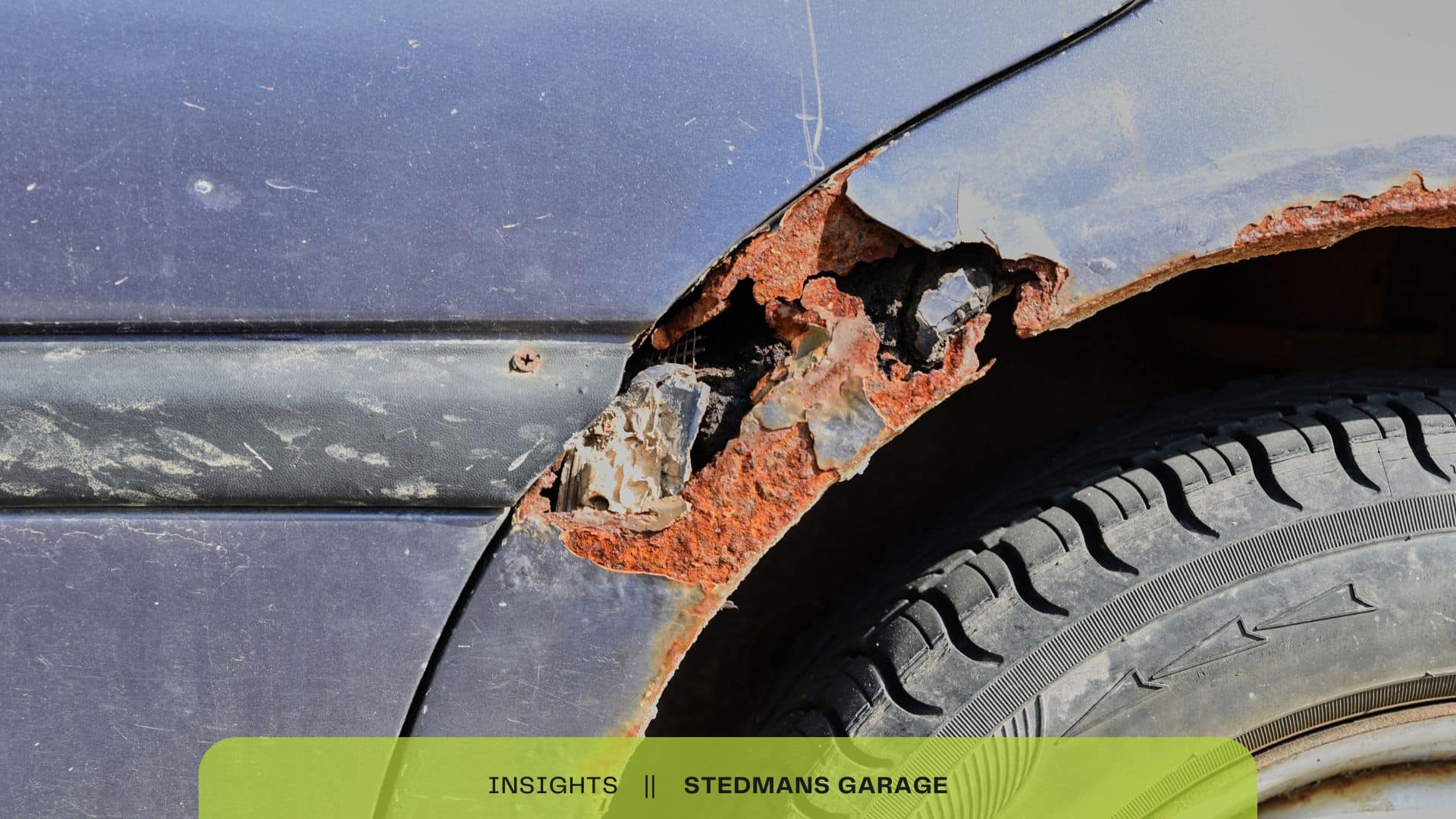
Corrosion is a natural chemical reaction that occurs when metal is exposed to moisture, oxygen, and various environmental elements. This reaction compromises the protective oxide layer of metals, leading to material deterioration. This phenomenon is particularly relevant for vehicle components like the chassis and bulkhead, which often endure exposure to road salt, rain, and debris.
Causes of Corrosion in the Defender 110
In the context of the Defender 110, corrosion is often exacerbated by several factors, including:
- Environmental Exposure: Vehicles in the UK frequently face rain and snow that can accumulate on surfaces, promoting corrosion.
- Road Treatment: The use of road salt during winter months is effective for de-icing but also accelerates the rusting process.
- Manufacturing Materials: While Land Rover uses galvanised steel in many parts of the Defender, some areas are more prone to corrosion due to the materials used.
Implications of Corrosion on Vehicle Safety and Longevity
Corrosion can significantly impact the safety and longevity of your Defender 110. For example, severe rusting in the chassis may lead to structural failure, affecting your vehicle control. Likewise, corrosion in the bulkhead can weaken structural integrity and lead to issues with steering and suspension systems. These factors underline the importance of regular checks and maintenance to detect corrosion early before it manifests into serious problems.
Common Areas Affected by Corrosion in the Defender 110

Chassis: The Backbone of Your Vehicle
The chassis serves as the framework for the Defender 110. It is essential to keep this area well-maintained, as even minor corrosion can escalate into major issues.
Typical Corrosion Spots
- Chassis Rails: The underside and edge areas of the chassis are particularly vulnerable due to constant exposure to water and debris.
- Cross Members: These structural components can accumulate moisture, especially if mud and dirt are left for extended periods.
- Bolts and Assemblies: Any junction points where components meet are prone to rust if water infiltrates and remains trapped.
Signs of Corrosion to Look Out For
- Surface Rust: Often appearing as rust spots on the outer layer; an early sign usually manageable.
- Flaking Paint: Indicates rust forming beneath the surface.
- Holes or Pitting: Severe signs that the chassis’s integrity is compromised, requiring urgent action.
Bulkhead: The Critical Support Structure
The bulkhead of the Defender 110 is another area where corrosion can cause significant problems. It separates the engine bay from the passenger compartment and serves as an attachment point for various components.
Causes of Corrosion in the Bulkhead
- Water Accumulation: Bulkhead design can trap water, especially with worn rubber seals.
- Battery Leaks: Acidic leaks from the battery accelerate surrounding metal corrosion.
- Environmental Factors: Road salt and moisture contribute significantly to corrosion in this area.
Impact on Vehicle Integrity
Corrosion in the bulkhead affects vehicle aesthetics and can lead to structural weaknesses that compromise safety. Severe corrosion could result in failures in critical steering components, posing dangers while driving.
Factors Contributing to Corrosion in the UK
UK-Specific Environmental Factors
The UK climate creates an environment conducive to corrosion. The combination of wet conditions and road salt used during winter months greatly increases the risk of rusting on your Defender 110. Additionally, urban driving exposes your vehicle to chemicals from exhaust emissions, further exacerbating corrosion.
Manufacturer Practices
While Land Rover has made strides in improving corrosion resistance, certain manufacturing practices can still leave vehicles vulnerable. Inadequately sealed joints and a lack of protective coatings in certain areas can facilitate rust build-up. Regular inspections of such areas can help maintain the overall condition of your Defender.
Preventive Measures for Defender 110 Owners
Routine Maintenance to Prevent Corrosion
Regular maintenance is essential for safeguarding your Defender 110 against corrosion. The following practices can significantly extend your vehicle’s life:
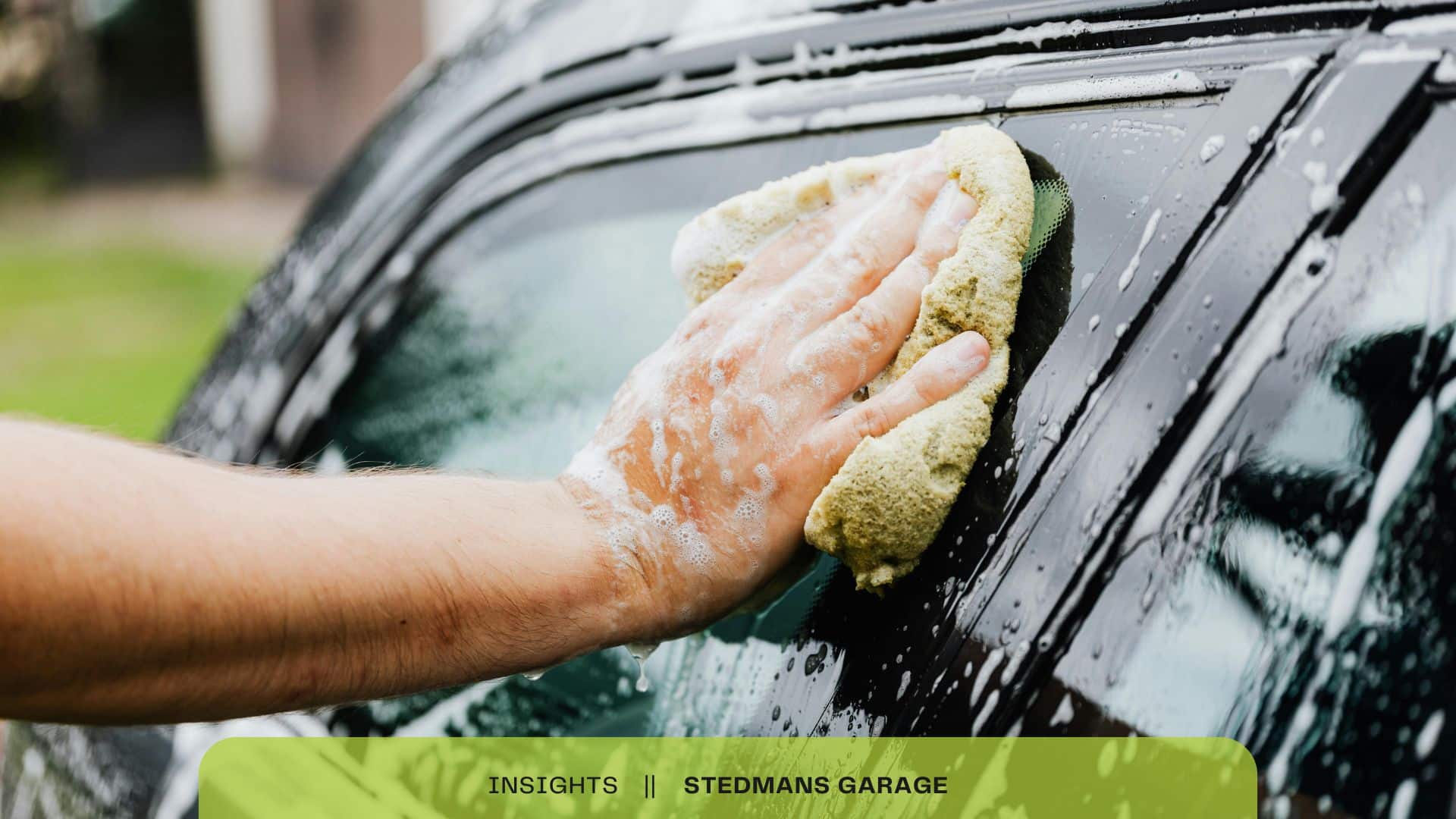
- Regular Washing: After driving in muddy or salty conditions, wash your vehicle thoroughly to remove contaminants.
- Inspect Seals and Gaskets: Regularly check rubber seals, especially around windows and doors, to prevent water ingress.
- Underbody Protection: Using underseal products provides an additional layer of rust protection.
Protective Coatings and Treatments
- Rust Inhibitors: Many products prevent corrosion when applied to the chassis and bulkhead.
- Ceramic Coatings: Although more expensive, ceramic coatings offer long-term environmental protection.
- Regular Underseal Reapplication: Reapplying underseal every couple of years, particularly for older models, ensures continued protection.
Cleaning Tips
- High-Pressure Wash: Pay special attention to the undercarriage and wheel wells.
- Brush Off Mud: Clean immediately after off-roading to prevent dirt from hardening and attracting moisture.
- Use of WD-40 or Similar Products: Apply to bolts and junction points to prevent rust.
Repairing Corroded Chassis and Bulkheads

Repair Options: DIY vs Professional Services
DIY Repairs
For automotive enthusiasts, DIY repairs can be cost-effective but require adequate knowledge and equipment. Common DIY methods include:
- Rust Treatment Kits: Typically contain a rust remover, neutraliser, and primer for future protection.
- Welding: If corrosion has resulted in significant metal loss, welding a patch can restore structural integrity.
Professional Repairs
For those uncomfortable with automotive repairs, seeking professional help may be wise, especially for extensive corrosion.
- Welding and Fabrication: Professionals possess the necessary equipment and expertise for seamless replacement of damaged sections.
- Galvanisation: Some services offer galvanising to extend the lifespan of corroded areas significantly.
Examples of Materials and Techniques Used
- Epoxy Resins: Commonly used for patching corroded areas, bonding well to metal and providing excellent protection.
- Zinc-Rich Primers: Often used to coat exposed metal after repair, providing an additional layer of corrosion resistance.
Real-world Examples and Case Studies
Anecdotes of Defender 110 Owners
Many Defender 110 owners have successfully tackled corrosion issues with various degrees of commitment and creativity:
- Sam’s Restoration Project: Sam restored a 1995 Defender 110 suffering from severe chassis rust. Using a commercial rust treatment kit, he completed repairs over weekends, revitalising the vehicle’s aesthetics and reinstating safety features compromised by rust.
- Martin’s Bulkhead Repair: After discovering significant rust in his bulkhead, Martin sought professional help. A garage replaced the affected section with modern galvanised materials, offering him peace of mind and enhanced safety.
Actionable Tips Section
To maintain your Defender 110 and effectively prevent corrosion, follow these actionable steps:
- Conduct Regular Inspections:
- Check the chassis and bulkhead every six months.
- Look for signs of rust: flaking paint, surface rust, or pitting.
- Implement Good Washing Practices:
- Wash your vehicle monthly, focusing on the undercarriage.
- Use a pressure washer for hard-to-reach spots.
- Apply Protective Coatings:
- Use rust inhibitors at least once a year, particularly before winter.
- Explore ceramic coatings for durable protection.
- Monitor Seals and Gaskets:
- Replace damaged seals immediately to prevent water ingress.
- Regularly check and maintain door and window seals.
- Keep an Eye on Environment:
- Park in covered areas when possible, especially during winter.
- Avoid driving on heavily salted roads without adequate undercarriage protection.
- Seek Professional Help When In Doubt:
- If you suspect severe corrosion, consult a professional sooner rather than later.
- Invest in proper repairs rather than delaying, which can lead to costlier issues.
Conclusion
In conclusion, addressing corrosion issues in your Defender 110’s chassis and bulkhead is essential for ensuring the vehicle’s longevity and safety. By understanding the causes and preventive methods, you can take systematic steps to manage corrosion effectively. Regular maintenance combined with timely repairs will enable you to enjoy your Defender for years to come. Don’t wait until it’s too late, assess your vehicle now and adopt these preventive measures to keep corrosion at bay!