Introduction
For car enthusiasts or potential buyers, understanding the Jaguar F-Type, particularly the convertible variant, goes beyond mere aesthetics and performance figures. The engineering behind its design reflects not just the brand’s rich history but also its commitment to excellence. Insights into the structural considerations and mechanical features of the F-Type Convertible can significantly affect purchasing decisions, ensuring future owners can appreciate what lies beneath the surface. This knowledge enhances ownership satisfaction and connects enthusiasts to the tradition of British automotive craftsmanship that Jaguar represents.
In this blog post, we will explore the unique aspects of the F-Type Convertible. We will cover its history, structural design features, and mechanical performance. Owner testimonials will provide real-world insights, helping potential buyers appreciate the intricacies of this remarkable sports car. Let’s dive into what makes the Jaguar F-Type Convertible a well-rounded marvel of sports car design.
Overview of the Jaguar F-Type Convertible
The Jaguar F-Type made its debut at the 2012 Paris Motor Show, signifying a grand return to sports car roots for the British brand. Evolving from the iconic E-Type, which has captivated enthusiasts since the 1960s, the F-Type seamlessly combines traditional Jaguar heritage with modern technology. Its design and engineering are testaments to Jaguar’s ability to evolve while maintaining a distinct identity.
The convertible version of the F-Type is especially attractive to the UK market, where unpredictable weather creates a unique challenge. The blend of open-air driving with Jaguar’s unmatched engineering makes this model appealing to those desiring an exhilarating experience on British roads.
The evolution from the previous XK model to the F-Type Convertible aimed to refine performance and comfort, leading to a vehicle that is not only beautiful but engineered for optimal driving pleasure.
Structural Design Features of the Jaguar F-Type
Chassis and Body Construction
At the heart of the Jaguar F-Type Convertible is its chassis, primarily crafted from lightweight aluminium. This material choice significantly enhances both performance and safety. By using aluminium, Jaguar reduces overall weight, translating to improved fuel efficiency and acceleration.
Advantages of Aluminium
- Weight Reduction: Aluminium is lighter than steel, leading to better performance in speed and handling.
- Corrosion Resistance: Its natural resistance to corrosion increases the vehicle’s longevity, particularly crucial for UK owners dealing with damp conditions.
- Recyclability: The sustainability aspect makes it appealing to environmentally conscious buyers, as aluminium can be recycled more efficiently than many other materials.
Disadvantages of Aluminium
- Cost: Aluminium components can be more expensive to produce compared to traditional steel, potentially affecting the overall vehicle price.
- Repair Challenges: Damage to aluminium bodywork can be more complex to repair, requiring specialised skills and equipment.
The monocoque construction of the F-Type Convertible enhances its structural rigidity, improving crash safety and the overall driving experience. By integrating body and chassis into one cohesive unit, engineers maximised strength without adding unnecessary weight, ensuring both performance and safety are upheld.
Aerodynamics and Aesthetic Considerations
The design of the Jaguar F-Type Convertible exemplifies a dual focus on aerodynamics and visual appeal. Its sleek lines and aggressive stance serve both form and function.
Aerodynamic Enhancements
- Front Air Intakes: Sculpted to direct airflow, cooling the engine while minimising drag.
- Rear Spoiler: Featured on certain models, it increases downforce, enhancing stability during high-speed drives.
Aesthetic Touches
- Sporty Silhouette: Flowing lines create a sense of motion, even when stationary.
- Signature Jaguar Elements: Features like the iconic grille and sharp LED headlamps form a striking front profile that accentuates the F-Type’s sporty character.
This harmonious blend of beauty and function contributes to convertible performance and reinforces the emotional connection enthusiasts have with the vehicle.
Mechanical Performance Insights
Engine Specifications and Performance Metrics
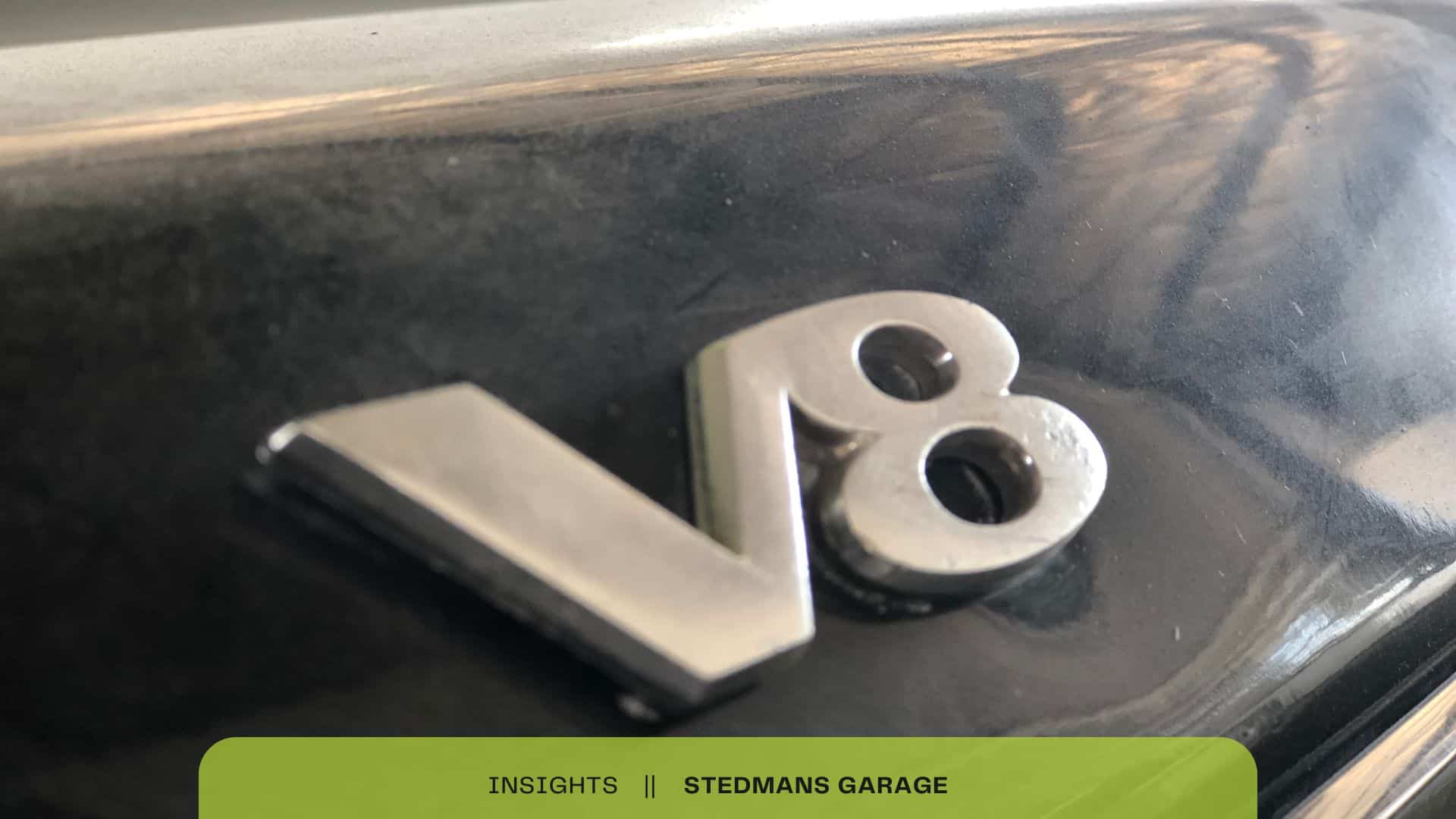
The engine lineup of the Jaguar F-Type Convertible showcases the brand’s performance commitment. Buyers have various options, including supercharged V6 and V8 variants.
Engine Options
- V6 Engine:
- Specifications: 3.0-litre supercharged; produces up to 335 hp.
- Performance: 0 to 60 mph in approximately 5.1 seconds.
- V8 Engine:
- Specifications: 5.0-litre supercharged; offers an astonishing 575 hp.
- Performance: 0 to 60 mph in about 3.5 seconds, showcasing exhilarating acceleration.
These specifications illustrate the powerful performance across the F-Type range, appealing to drivers seeking both daily usability and weekend thrills.
Performance Metrics
- Top Speeds: Depending on the engine choice, top speeds can exceed 200 mph, affirming its status in the sports car category.
- Fuel Efficiency: Although performance-oriented, Jaguar integrates advanced fuel management systems for optimisation; V6 models can achieve up to 30 mpg on the motorway, enhancing overall usability.
These insights highlight the impressive engineering quality embedded in the F-Type Convertible, allowing owners to approach driving with confidence and excitement.
Suspension and Handling
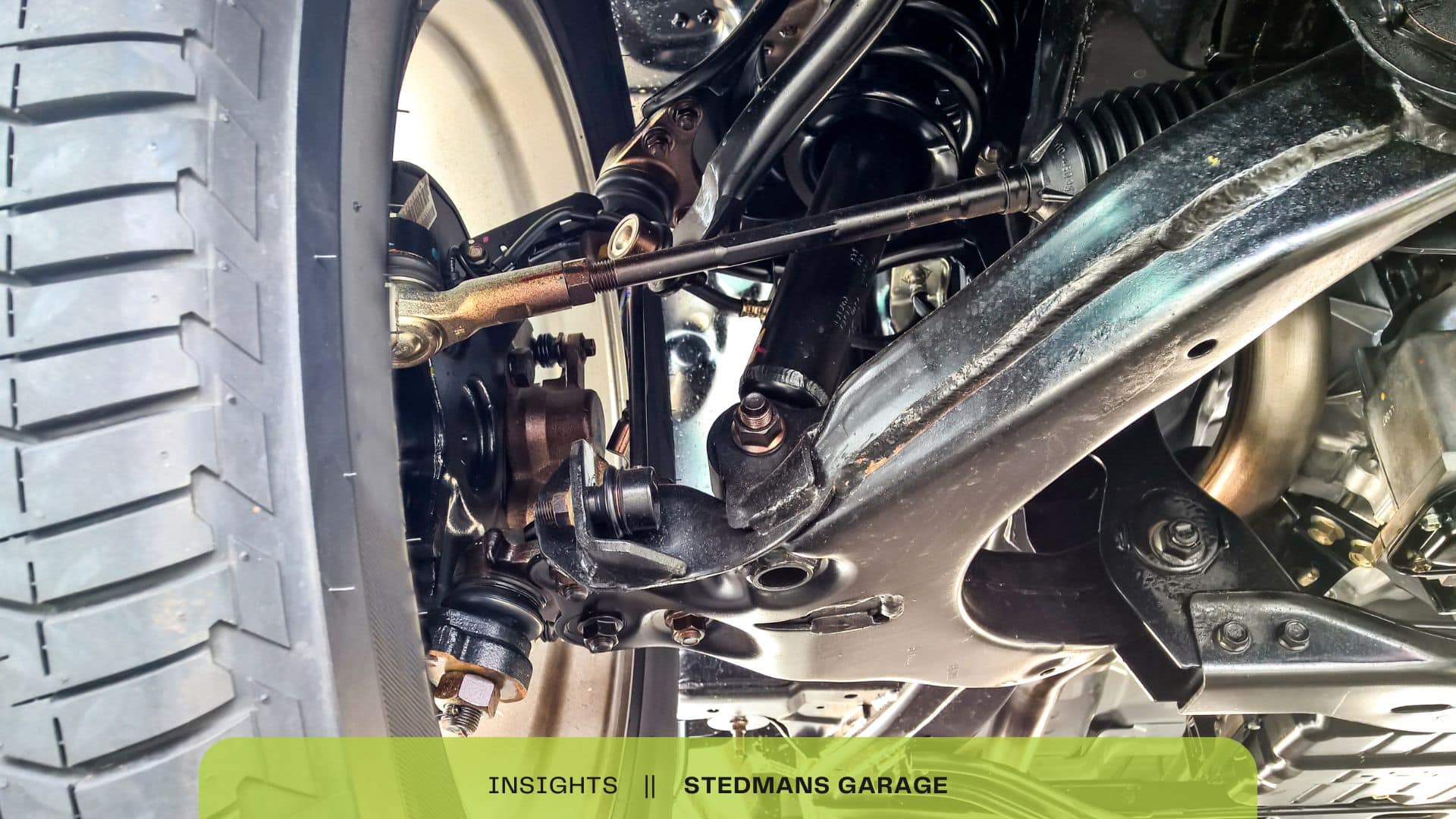
Handling is central to the F-Type’s appeal, with its suspension system engineered for precision and responsiveness.
Key Features of the Suspension System
- Double Wishbone Suspension: This setup provides superior handling characteristics, allowing for dynamic cornering without compromising comfort.
- Adaptive Dynamics: This system continuously monitors vehicle movements, adjusting the suspension settings in real-time for the best possible driving experience.
Advantages
- Velvety Ride Quality: The adaptive suspension dampens road imperfections, creating a smooth ride that is essential for daily use.
- Superior Grip: With well-calibrated suspension, the F-Type navigates sharp bends with agility, inspiring driver confidence.
Disadvantages
- Complexity: The advanced technology can lead to higher maintenance costs if issues arise.
- Preference for Sportiness: Some drivers may find the ride too firm compared to competitors, so test drives are recommended to ascertain personal comfort levels.
When comparing the F-Type’s handling with competitors, it stands strong against models like the Porsche 911 and Audi R8, known for their remarkable handling characteristics.
Owner and Expert Testimonials
Real-world experiences from owners and automotive professionals offer insights into what it’s like to drive and own a Jaguar F-Type Convertible. These insights are invaluable for prospective buyers looking for authenticity.
Many owners commend the F-Type for its responsiveness and agility, particularly noting how the vehicle performs while cornering. One owner states, “The moment you turn the steering wheel, the car feels like an extension of you; it’s a tactile joy.”
Experts often highlight the blend of engineering excellence and comfort, noting that “driving a Jaguar isn’t just about getting somewhere, it’s an experience.”
These testimonials resonate with both long-time Jaguar enthusiasts and prospective buyers, reinforcing the F-Type Convertible’s strong reputation in the luxury sports car market.
Actionable Tips for Potential Buyers
If you’re considering the Jaguar F-Type Convertible, here are essential tips:
- Evaluate Performance Needs:
Determine which engine suits your driving style. For exhilarating acceleration, the V8 offers unmatched power, while the V6 provides a good balance of performance and efficiency. - Test Drive:
Ensure you conduct a test drive to experience the handling and comfort levels. Pay attention to the suspension response on both smooth stretches and bumpy roads. - Consider Maintenance:
Regular servicing is crucial; be aware of any specialist requirements, especially concerning aluminium body repairs or advanced suspension systems. - Explore Customisation Options:
Jaguar offers extensive customisation options; think about personalising your F-Type to match your aesthetic and functional preferences. - Understand Resale Value:
Research current market trends for the F-Type Convertible to make an informed purchase, knowing that Jaguar vehicles tend to hold their value well.
Conclusion
In summarising the key takeaways regarding the Jaguar F-Type Convertible, it’s evident that this vehicle encapsulates mechanical insights and structural considerations that appeal to both driving purists and casual admirers alike. Its aerodynamic design, dynamic performance, and engineering excellence not only create an exhilarating driving experience but also enhance it within the competitive landscape of luxury sports cars.
Understanding these attributes is crucial for potential buyers, this knowledge ensures a fulfilling ownership experience. For those seeking to embody the spirit of British motoring, the Jaguar F-Type Convertible is an offering that promises not just driving satisfaction but a connection to the legacy of Jaguar itself.
Explore more about the Jaguar F-Type to determine if it’s the right sports car for your driving needs!