Introduction
The P0105 fault code is a critical error that affects various VAG (Volkswagen Audi Group) vehicles, including popular brands like Volkswagen, Audi, Seat, and Škoda. When this code appears, it signals potential issues within the vehicle’s air intake system, specifically related to the Manifold Absolute Pressure (MAP) Sensor. This sensor is vital for optimising the air-fuel mixture necessary for efficient combustion, which directly impacts vehicle performance, fuel economy, and emissions.
In this comprehensive guide, we’ll delve into the intricacies of the P0105 fault code, specifically focusing on the MAP sensor. You’ll gain insights into the significance of the sensor, the potential causes of the fault code, symptoms indicating its presence, and effective diagnostic procedures. Additionally, we’ll explore proven solutions for rectifying the issue and preventative measures to avoid future occurrences.
What is the P0105 Fault Code?
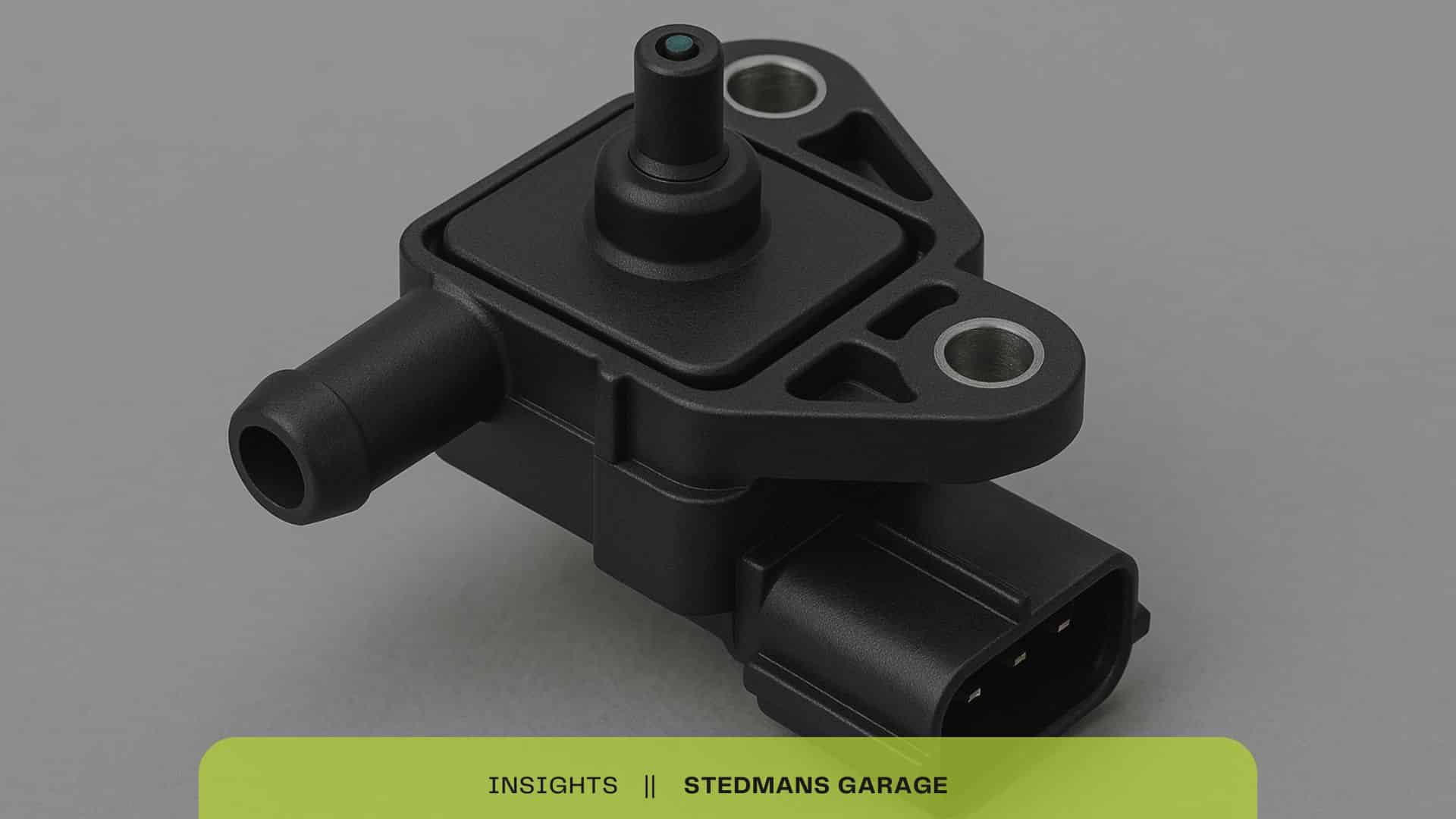
The P0105 fault code is a diagnostic trouble code (DTC) that indicates a malfunction in the Manifold Absolute Pressure (MAP) sensor. This sensor measures pressure within the intake manifold and communicates this data to the Engine Control Unit (ECU). In the context of VAG vehicles, if the MAP sensor sends erratic signals or fails entirely, it may lead to improper fuel injection, negatively affecting engine performance, emissions, and overall vehicle responsiveness.
Significance of the MAP Sensor
Understanding the P0105 code is crucial as the MAP sensor is integral to the vehicle’s engine management system. When the ECU receives an inaccurate reading from the MAP sensor, it can cause a cascade of issues, including:
- Inefficient fuel combustion
- Increased emissions
- Poor acceleration
By accurately diagnosing and addressing the P0105 code, vehicle owners can maintain their car’s efficiency and ensure compliance with emission standards.
Understanding the Manifold Absolute Pressure (MAP) Sensor
The MAP sensor is a critical component in modern vehicles responsible for measuring the manifold’s absolute pressure. It provides real-time data to the ECU, enabling optimal adjustments to the air-fuel mixture for improved combustion efficiency. Here’s how it generally operates:
Airflow Measurement
The MAP sensor measures the pressure inside the intake manifold, which allows the ECU to adjust fuel delivery. The sensor typically uses a piezoelectric crystal or a silicon-based device to gauge the pressure.
ECU Response
Based on the readings from the MAP sensor, the ECU recalibrates fuel delivery and ignition timing. This ensures that the engine performs efficiently, reducing harmful emissions and improving fuel economy.
Impact on Emissions
The MAP sensor plays a pivotal role in maintaining the vehicle’s emissions within acceptable limits. Any inaccuracies in the sensor readings can lead to increased emissions, which may hinder the vehicle’s ability to comply with regulatory standards.
Advantages of a Functional MAP Sensor
- Enhanced Engine Performance: Accurate pressure measurements lead to optimised acceleration and engine responsiveness.
- Improved Fuel Efficiency: Correct readings result in the ideal air-fuel mixture, reducing fuel consumption.
- Meeting Emissions Standards: A properly functioning MAP sensor helps in staying within the legal limits for vehicle emissions.
Causes of the P0105 Fault Code
Multiple factors can trigger the P0105 fault code. Here are the primary causes vehicle technicians and owners should be vigilant about:
1. Wiring Issues
Faulty wiring or connectors can disrupt the signal between the MAP sensor and the ECU. Damaged wires may arise due to age, heat exposure, or physical damage, resulting in erratic sensor readings that trigger the P0105 code.
2. Sensor Malfunctions
The MAP sensor itself may fail due to internal defects or natural wear over time. Environmental conditions such as moisture, dust, and extreme temperatures can also contribute to the sensor’s degradation.
3. Vacuum Leaks
Leaky vacuum hoses introduce unmetered air into the intake manifold, skewing the air-fuel ratio. This can lead to erroneous readings from the MAP sensor, negatively impacting engine performance.
4. Software Issues in the ECU
Occasionally, the problem may stem from software glitches or necessary updates within the ECU. If the ECU is improperly calibrated, it can misinterpret the data received from the MAP sensor.
5. Faulty Throttle Body
Issues within the throttle body, including sticky or malfunctioning components, can affect airflow measurement, ultimately triggering the P0105 fault code.
Symptoms Associated with the P0105 Fault Code
Recognising the symptoms linked to the P0105 fault code can help vehicle owners and technicians diagnose the issue effectively. Here are common manifestations:
1. Rough Idling
An unstable idle may indicate improper air-fuel mixtures caused by erroneous MAP sensor readings. You might notice fluctuations in engine RPM while at a standstill.
2. Reduced Fuel Efficiency
As the ECU struggles to maintain the correct air-fuel ratio, it may lead to increased fuel consumption as the engine compensates for lost power.
3. Poor Engine Performance
Acceleration can feel sluggish or unresponsive. Drivers may particularly notice a loss of power during demanding driving conditions such as hill climbs.
4. Check Engine Light
The illumination of the check engine light is a clear sign of issues with the MAP sensor or related systems. When this occurs, it’s crucial to check for DTCs using an OBD-II scanner.
5. Emissions Issues
An inability to maintain efficient engine operation can lead to increased emissions, potentially causing a vehicle to fail its emissions test.
Diagnostic Procedures for the P0105 Fault Code
Diagnosing the P0105 fault code in VAG vehicles requires a systematic approach and the right diagnostic tools. Here are the steps to follow:
Step 1: Initial Inspection
Begin with a visual inspection of the vehicle for common issues. Check for broken or frayed wiring, disconnected vacuum hoses, or signs of wear on the MAP sensor.
Step 2: Using an OBD-II Scanner
Connect an OBD-II scanner to the vehicle’s diagnostic port. Look for the P0105 fault code and any additional codes that may provide deeper insights into potential issues.
Step 3: Review Freeze Frame Data
Most OBD-II scanners offer freeze frame data, showing the conditions under which the fault occurred. Reviewing this information helps to understand the state of the engine when the P0105 code was triggered.
Step 4: Testing the MAP Sensor
Use a multimeter to check the MAP sensor’s output voltage against manufacturer specifications. Deviations from expected values could signify a faulty sensor. Reputable automotive service manuals will provide these specifications.
Step 5: Vacuum Integrity Test
Check for vacuum leaks using a smoke test or visually inspecting hoses. Any leaks identified should be sealed, as unmetered air negatively impacts sensor readings.
Step 6: ECU Inspection
If all physical checks pass, consider updating or recalibrating the ECU software to rectify any bugs or inaccuracies. This can often resolve issues related to the P0105 code.
Step 7: Test Drive
After any repairs, perform a test drive to monitor the vehicle’s performance. Use the OBD-II scanner to check for the return of the P0105 fault code during the drive.
Resolving the P0105 Fault Code
Addressing the P0105 fault code involves systematic implementation of corrective actions. Here are methods to resolve the issues effectively:
1. Sensor Replacement
If tests indicate that the MAP sensor is faulty, replacing it is often the simplest solution. Always ensure that the new sensor is an OEM (Original Equipment Manufacturer) part to maintain optimal compatibility.
2. Wiring Repairs
Repair any damaged wiring or connections. This may involve soldering frayed wires or replacing corroded connectors to ensure signal integrity.
3. Calibrating the Engine Management System
If the ECU has been updated or replaced, appropriate calibration may be necessary. Follow manufacturer-specific guidelines to ensure correct procedures are followed.
4. Replacing Vacuum Hoses
Replace any damaged or worn vacuum hoses contributing to air leaks. Proper sealing of the intake system is crucial for accurate sensor readings.
5. Throttle Body Maintenance
Clean or replace the throttle body if it appears dirty or malfunctioning. This maintenance can resolve idle issues and improve airflow management.
6. Professional Assistance
If the issue persists, seeking help from an automotive professional is advisable. Technicians have access to advanced diagnostic tools and experience that can expedite troubleshooting efforts.
Preventative Measures
Preventing the P0105 fault code from arising can save both time and money. Here are proactive maintenance practices to consider:
Regular Inspections
Conduct monthly visual checks of the MAP sensor, along with associated wiring and vacuum hoses. Early detection can mitigate severe problems.
Periodic Cleaning
Regularly clean the MAP sensor with dedicated cleaning solutions to remove contaminants that could impair its function.
Vacuum System Checks
Inspect vacuum lines and connections routinely. Replacing worn or cracked hoses will help maintain system integrity.
Emissions Testing
Participate in periodic emissions testing as this can highlight issues potentially leading to the appearance of fault codes.
Routine ECU Updates
Regularly check for available updates to your vehicle’s ECU from the manufacturer or automotive shop. Keeping firmware current can improve overall system reliability.
Conclusion
Understanding the P0105 VAG fault code is crucial for both vehicle owners and technicians. This guide has illuminated key aspects surrounding the fault code, emphasising the importance of the Manifold Absolute Pressure (MAP) sensor. Recognising symptoms early, performing thorough diagnostic checks, and conducting routine maintenance can significantly ease the challenges presented by this fault code.
As the automotive landscape continues to evolve, remaining aware of such codes becomes vital for maintaining vehicle efficiency and compliance with emission standards. Equip yourself with the knowledge shared in this guide, and take proactive measures to manage diagnoses and repairs effectively, prioritising the long-term health and performance of your VAG vehicle.