Introduction
The P0107 VAG fault code, indicates potential problems within the engine control system. This code specifically refers to a low voltage signal received from the Manifold Absolute Pressure (MAP) sensor, which is vital for monitoring engine performance and efficiency. Understanding this fault code is key to keeping your engine running smoothly and avoiding further complications. In this comprehensive guide, we will explore the specifics of the P0107 fault code, its common causes and symptoms, and provide a detailed troubleshooting framework to help you tackle any issues effectively.
Overview of the P0107 VAG Fault Code
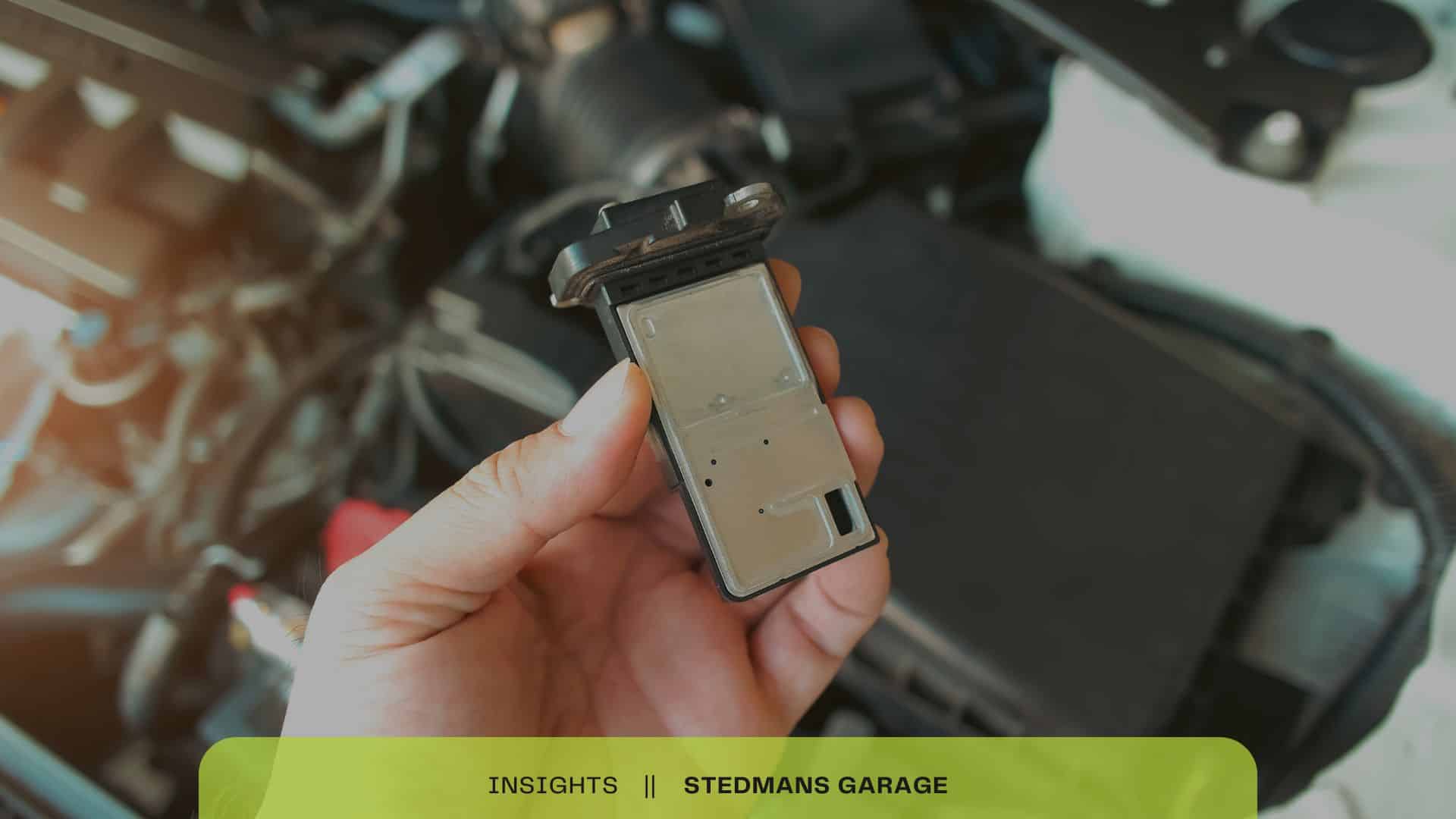
The P0107 VAG fault code is defined within the On-Board Diagnostics II (OBD-II) system. It indicates that the engine control module (ECM) has detected a low voltage signal from the MAP sensor. This sensor measures the pressure within the intake manifold, which helps the ECM determine the ideal air-to-fuel ratio, fuel injection timing, and overall engine performance.
Function of the MAP Sensor
The MAP sensor provides real-time data to the ECM, which uses this information to adjust fuel delivery and ignition timing. This process ensures optimal combustion, enhances fuel efficiency, and reduces emissions. If the MAP sensor malfunctions, it can result in a series of performance problems, such as poor acceleration, increased emissions, and overall engine inefficiency.
Impact on Engine Operation
When the P0107 fault code is triggered, it often signifies that the MAP sensor is unable to deliver accurate readings due to a low voltage signal. This situation can lead to incorrect air-fuel mixture adjustments, adversely affecting engine performance. Addressing this problem promptly is crucial, as it can prevent further damage to the engine and its components.
Common Causes of P0107
Understanding the causes of the P0107 fault code is essential for diagnosing and resolving the issue. Here are several factors that can trigger this error code:
- MAP Sensor Malfunction
The MAP sensor itself may be faulty due to internal defects or aging components. Contamination from oil, dirt, or moisture can also lead to sensor failure. If the MAP sensor fails, it will send incorrect voltage signals to the ECM, resulting in poor engine performance. - Wiring Issues
Electrical problems such as short circuits, open circuits, or loose connections can disrupt the signal flow between the MAP sensor and the ECM. Inspecting the wiring harness for frayed wires, corrosion, or disconnections is vital when troubleshooting the P0107 code. - Vacuum Leaks
Vacuum leaks in the intake manifold can significantly affect the MAP sensor readings. If unmeasured air enters the engine, the MAP sensor cannot accurately calculate the pressure, leading to incorrect voltage signals. Damage to gaskets, hoses, or connections may cause this. - Intake or Exhaust Restrictions
Clogged air filters or exhaust systems can impact engine performance and trigger the P0107 code. Restricted airflow can lead to incomplete combustion and incorrect sensor readings, prompting the ECM to register a fault. - Engine Control Module (ECM) Issues
Though less common, problems within the ECM can lead to the P0107 fault code. If the ECM struggles to process the signals from the MAP sensor accurately, it may trigger this diagnostic trouble code.
By examining these common causes, vehicle owners can better target their diagnostic efforts when faced with the P0107 fault code.
Symptoms Associated with the P0107 Fault Code
Recognising the symptoms associated with the P0107 fault code is crucial for timely diagnosis and repair. Here are some common symptoms that drivers may experience:
- Check Engine Light
The illumination of the check engine light is one of the most immediate indicators of the P0107 fault code. This warning prompts vehicle owners to seek diagnostic attention to prevent further complications. - Poor Engine Performance
Drivers may notice a decline in overall engine performance, including:- Rough Idling: The engine may feel unstable and vibrate excessively while at a standstill.
- Hesitation During Acceleration: The vehicle may struggle to gain speed or respond sluggishly when the accelerator is pressed.
- Decreased Fuel Efficiency: Poor air-fuel mixture adjustments can lead to increased fuel consumption, resulting in more frequent trips to the petrol station.
- Engine Misfiring: Irregular combustion can cause the engine to misfire, leading to a rough driving experience.
- Increased Emissions
Vehicles experiencing the P0107 fault code may produce higher emissions than normal due to improper fuel mixture adjustments. This situation can lead to potential issues during emissions testing, resulting in failed inspections and fines.
Understanding these symptoms allows vehicle owners to take proactive measures when they encounter the P0107 fault code, ensuring their vehicle remains safe and efficient.
Diagnostic and Troubleshooting Steps
When faced with the P0107 fault code, it’s essential to follow a systematic diagnostic process to identify and resolve the underlying issue. Here’s a comprehensive approach to troubleshooting:
Step 1: Inspect Wiring and Connectors
Start by visually inspecting the wiring harness and connectors associated with the MAP sensor. Look for signs of damage, corrosion, or looseness that could affect the electrical connection. Pay special attention to:
- Frayed wires
- Corroded terminals
- Loose connections
Address any issues found during this inspection, as they could be the root cause of the fault code.
Step 2: Test the MAP Sensor
Conduct a series of tests to determine whether the MAP sensor is functioning correctly:
- Voltage Signal Check
- Preparation: With the ignition on and the engine off, use a multimeter to measure the voltage signal at the MAP sensor connector.
- Expected Voltage: Ideally, the voltage should fall within the manufacturer’s specifications (usually between 0.5 to 4.5 volts, depending on the vehicle).
- Action: If the voltage is outside this range, consider replacing the MAP sensor.
- Vacuum Pump Test
- Setup: Connect a vacuum pump to the MAP sensor.
- Observation: Apply varying vacuum levels and note the voltage output on the multimeter.
- Results: The voltage should change proportionally with the applied vacuum. If it does not, the sensor may be faulty and require replacement.
Step 3: Check for Vacuum Leaks
Identifying vacuum leaks is crucial for accurate diagnosis. Here are two effective methods to detect leaks:
- Smoke Machine Test
- Equipment: Use a smoke machine to introduce smoke into the intake manifold.
- Observation: Watch for smoke escaping from any damaged hoses or gaskets, indicating a leak.
- Aerosol Testing
- Method: Spray a small amount of carburettor cleaner or similar aerosol around the intake manifold.
- Observation: If the engine RPM increases, it indicates a vacuum leak in that area.
Step 4: Replace the MAP Sensor
If testing confirms that the MAP sensor is faulty, replacing it is necessary. Here’s a step-by-step guide:
- Purchase Quality Parts: Select a high-quality replacement MAP sensor that meets OEM specifications.
- Disconnect Battery: Before beginning the replacement, disconnect the vehicle’s battery to prevent electrical issues.
- Remove the Old Sensor: Carefully detach the old MAP sensor, taking care not to damage surrounding components.
- Install New Sensor: Position the new MAP sensor in place and secure it with the appropriate fasteners.
- Reconnect Battery: Reconnect the battery and clear any existing fault codes using an OBD-II scanner.
Following these diagnostic steps will help vehicle owners effectively identify and resolve issues related to the P0107 fault code.
Preventative Measures for MAP Sensor Issues
Preventing issues related to the MAP sensor and the P0107 fault code is crucial for maintaining optimal vehicle performance. Here are some proactive measures vehicle owners can take:
- Regular Maintenance
Schedule routine maintenance checks for your vehicle, focusing on components related to the MAP sensor and engine performance. Regular inspections can identify potential issues before they escalate into fault codes. - Clean the Intake System
Ensure that the intake system, including the MAP sensor, is clean and free of contaminants. Regularly clean or replace air filters and consider using fuel additives that help keep the fuel system clean. - Monitor Engine Performance
Pay attention to any changes in engine performance, such as rough idling or decreased fuel efficiency. Addressing these symptoms early can prevent more severe issues and the activation of fault codes. - Check for Vacuum Leaks
Perform periodic checks of the vacuum system to identify any leaks or damaged components. Addressing these issues promptly can help maintain accurate MAP sensor readings and overall engine health. - Use Quality Fuel
Using high-quality fuel can improve engine performance and reduce the risk of contaminants affecting the MAP sensor and other components.
By adopting these preventative measures, vehicle owners can significantly reduce the likelihood of encountering the P0107 fault code and maintain their vehicles in peak condition.
Conclusion
In conclusion, understanding the P0107 VAG fault code is essential for vehicle owners and automotive enthusiasts alike. This code indicates a low voltage signal from the MAP sensor, which can lead to various performance issues if not addressed promptly. By recognising common causes, identifying associated symptoms, and following a systematic diagnostic process, vehicle owners can effectively troubleshoot and resolve issues related to this fault code.
Timely diagnostics and repairs are crucial in maintaining engine efficiency and performance. Stay vigilant about your vehicle’s health, and don’t hesitate to consult professional technicians if you encounter symptoms related to the P0107 fault code. By doing so, you can ensure your vehicle remains in optimal condition for years to come
If you’re experiencing symptoms related to the P0107 VAG fault code, don’t wait for the issue to escalate. Schedule an appointment with a qualified mechanic today to have your vehicle diagnosed and repaired. Regular maintenance and prompt attention to warning signs can keep your engine running smoothly and efficiently!