Introduction
At Stedmans Garage, we recently welcomed a Range Rover Evoque into our workshop with a frustrating but common issue: the gear selector wouldn’t rise from the centre console upon engine start. While the vehicle could still be driven by manually selecting gears, the selector’s failure to elevate was not only inconvenient but also a potential indicator of deeper electronic or mechanical issues.
In this post, we’ll walk you through our full diagnostic process, from confirming the fault to inspecting wiring and internal components, and explain how we resolved the issue by replacing the gear selector module. If you’re experiencing a similar problem, this guide will help you understand what to check and how to efficiently address the issue.

The Vehicle & Customer Complaint
Vehicle: Range Rover Evoque
Issue: Gear selector not rising from the centre console upon engine start.
When the customer brought the vehicle in, they reported that the gear selector dial would often stay recessed in the centre console even after starting the engine. While it was still possible to manually select gears by turning the dial into position, the issue was intermittent and growing worse over time.
Initial Observations:
- The engine started successfully.
- The gear selector dial did not elevate but could still be used to manually select gears, albeit with some stiffness.
Based on these symptoms, we suspected a fault in the gear selector module or related wiring and began a systematic diagnostic process.
Diagnostic Steps
When diagnosing an issue like this, it’s important to follow a step-by-step approach to rule out potential causes systematically. Here’s how we tackled this case:

Fault Code Scan
Using our Bosch KTS 560 diagnostic tool, we scanned the vehicle for fault codes. The following codes were retrieved:

P176A: Selector lever current outside of range
P176B: Selector lever component sticking
U0001: High-speed CAN bus signal invalid
These codes indicated a problem within the gear selector module itself, as well as potential communication issues on the high-speed CAN bus. Additional CAN-related faults were noted in other control modules, further supporting the need to investigate the module and wiring.
Wiring & Component Checks
Next, we disassembled the centre console to access the gear selector module’s wiring and connectors. This involved:


Removing Centre Console Panels:
- Loosened Torx 20 screws on both sides of the console.
- Carefully unclipped and disconnected the electrical connectors underneath the panel to avoid wiring damage.

Testing Wiring:
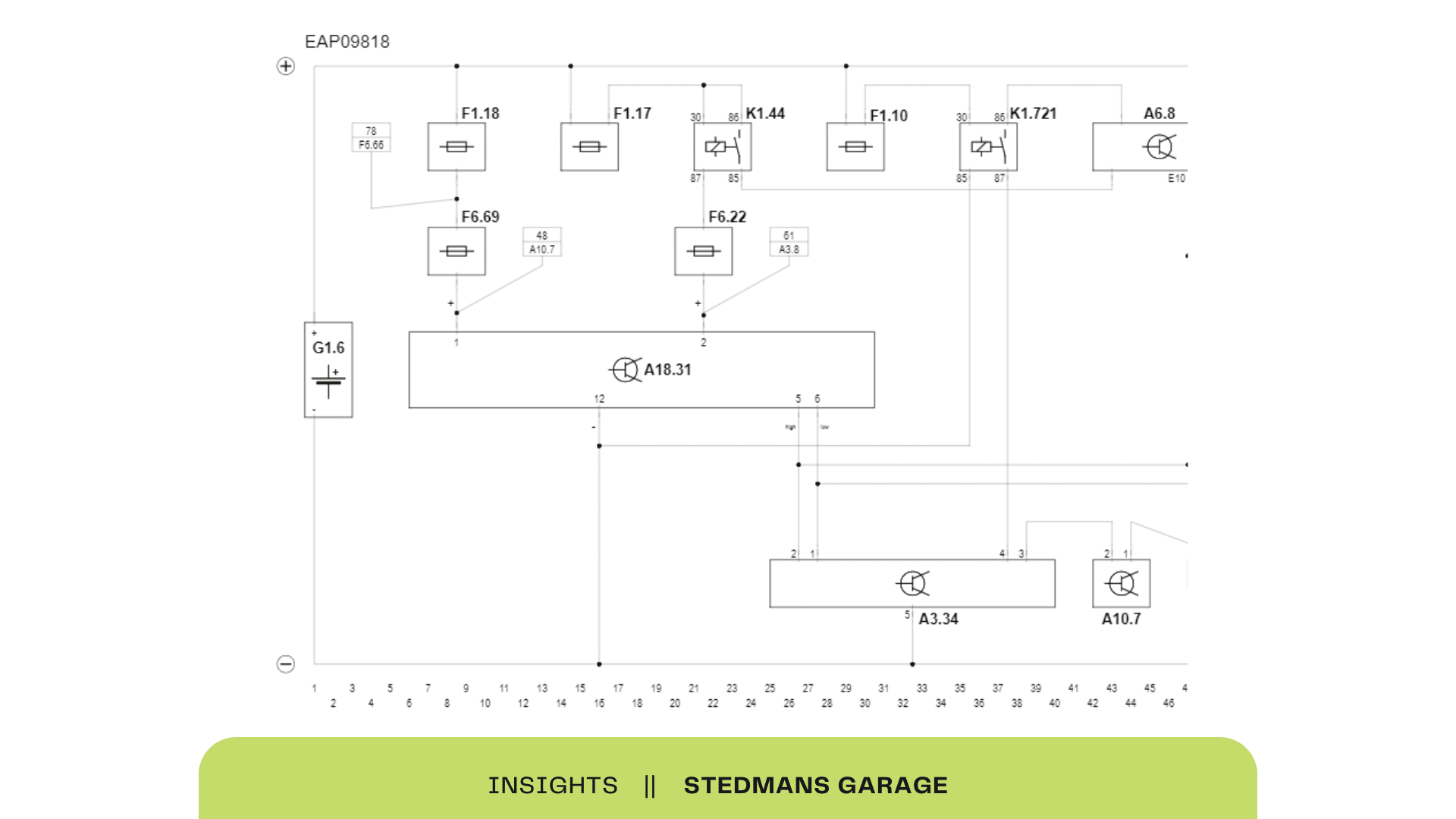
Using a wiring diagram for the gear selector module, we verified the following:
- Power: Pins 1 and 2 had sufficient power.
- Ground: Pin 12 was properly grounded.
- CAN High (Pin 5) and CAN Low (Pin 6): Both circuits were intact and responsive during testing.
CAN Signal Testing:
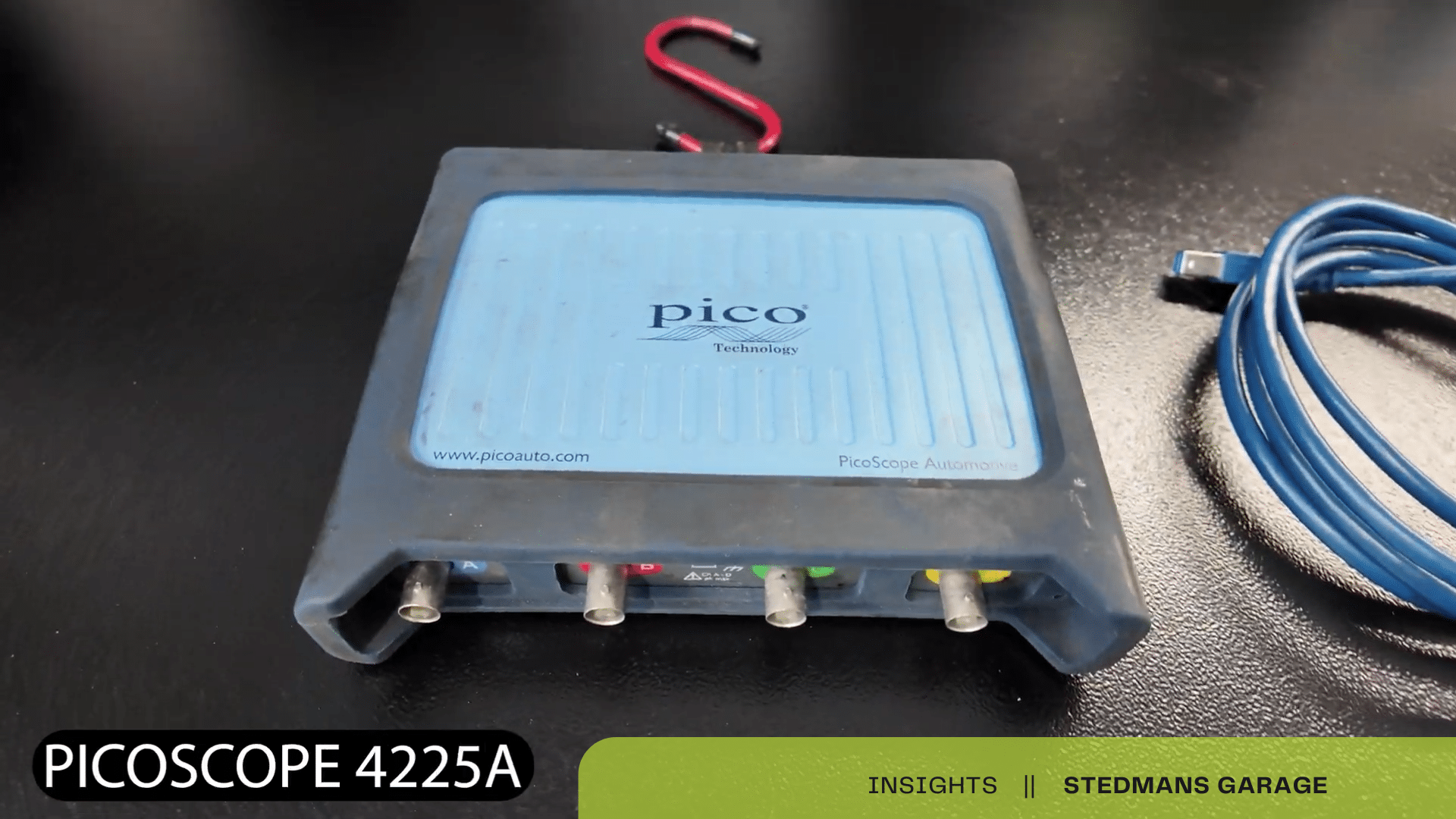
Using a PicoScope 4225A, we inspected the CAN signal directly at the gear selector module. The results showed:
- CAN High Voltage: 2.5 to 3.5 volts (healthy range)
- CAN Low Voltage: 1.5 to 2.5 volts (healthy range)
These readings confirmed both communication integrity and that the wiring to the module was functioning correctly.
With all electrical signals and communication lines testing within spec, our attention turned to the selector module itself as the likely source of the fault.

Internal Unit Inspection
With the wiring and power supply ruled out as the cause of the issue, we removed the gear selector unit for further inspection on the bench.


Disassembling the Selector Unit:
- Removed the top fascia and outer plastic covering.
- Unscrewed the circuit board to expose the internals, including the motor, drive belt, and park lock solenoid.
Findings:
- We concluded the issue was an internal electronic fault, consistent with known failures in these units.
- The selector’s circuit board showed signs of intermittent failure.
- The motor and drive belt, responsible for raising the gear selector dial, were intact and appeared functional.
- The unit contains a solenoid responsible for releasing the park lock, enabling the selector to rotate — a common failure point if the selector dial won’t turn out of park.
Given the customer’s description of intermittent failures and the absence of mechanical obstruction, the evidence pointed to a fault on the module’s internal circuit board.

Solution & Fix
Based on our diagnosis, we replaced the faulty gear selector module with a new unit.
The replacement process involved:
- Installing the new gear selector module into the centre console.
- Reconnecting all electrical connectors and ensuring proper seating of the module.
- Testing the new module to confirm functionality.
Results:
Upon starting the engine, the new gear selector dial rose smoothly from the centre console, confirming the success of the replacement. The vehicle was fully restored to working order, and the customer was delighted with the results.

Final Outcome
The diagnosis and repair were successful, and the Range Rover Evoque was returned to the customer in excellent condition. The gear selector dial rose properly upon ignition, confirming full restoration of functionality.
This case highlights the importance of systematic diagnostics, from fault code analysis to wiring checks and component inspections, in identifying and resolving complex vehicle issues.
If you’re facing a similar problem, it’s crucial to rule out wiring and signal issues before replacing parts. However, due to the known failure rate of these selector modules, a replacement is often the best solution.
Conclusion & Advice
If your vehicle’s gear selector isn’t functioning properly, start by checking the basics: power supply, ground, and CAN communication. Thorough testing can save you time and money by pinpointing the exact cause of the fault.
At Stedmans Garage, we specialise in diagnosing and repairing complex vehicle issues like this one. With our state-of-the-art diagnostic tools and expert technicians, we’re committed to getting you back on the road quickly and efficiently.
Frequently Asked Questions: Range Rover Evoque Gear Selector Issues
Why won’t my Range Rover Evoque gear selector rise from the centre console?
This is often caused by an internal failure of the gear selector module. While the vehicle may still start and allow you to manually change gears, the rotary selector dial may fail to rise due to electronic faults within the unit. In many cases, the issue is traced back to the circuit board inside the selector module, which is known to fail intermittently on these models.
Can I still drive my Evoque if the gear selector won’t rise?
In most cases, yes — if the selector dial can still be manually rotated, you can shift gears and drive the vehicle. However, the fault may worsen over time, and driving with a defective gear selector can mask underlying electrical issues. It’s best to diagnose the fault as soon as possible.
What causes a Range Rover gear selector to get stuck or not function properly?
Common causes include:
- Internal electronic failure of the selector module
- CAN bus communication issues
- Loss of power or ground supply to the module
- Faulty signals from the park lock solenoid or internal motor
In our diagnostic process, we confirmed full power and signal integrity to the module, meaning the fault was internal to the unit itself.
How can I test if my gear selector module is faulty?
Begin by scanning the vehicle for fault codes using a diagnostic tool. Codes like P176A, P176B, or U0001 can indicate selector or communication issues. From there:
- Check for power at pins 1 and 2 of the module
- Confirm ground at pin 12
- Verify CAN signal presence and voltage range at pins 5 and 6
If all wiring checks out and communication is intact, the module is likely at fault.
Do I need to replace the entire selector unit?
Yes, if the issue is internal to the unit, such as circuit board failure, the most reliable fix is to replace the complete selector module. Attempting to repair or service internal components isn’t recommended due to the sealed design and complexity of the unit.
Is the gear selector issue common on Range Rover Evoque models?
Yes, this is a known fault and well-documented across forums and technical bulletins. Failures of the electronic gear selector module, particularly intermittent faults, are common and typically require full replacement of the unit.
Will replacing the selector fix the issue permanently?
In most cases, yes. Once the faulty selector is replaced with a new unit and all electrical checks are confirmed, the issue is resolved. As demonstrated in our case, the new selector dial rose on ignition, and the vehicle’s functionality was restored.
Call to Action
Experiencing issues with your vehicle? Don’t wait for the problem to get worse. Contact Stedmans Garage today to book a service, diagnostic check, or repair appointment. With nearly 100 years of trusted expertise, we’re Worthing’s number-one choice for vehicle care!