Introduction
In the realm of automotive diagnostics, understanding fault codes is paramount for optimal vehicle maintenance and performance. For owners and enthusiasts of VAG (Volkswagen Audi Group) vehicles, one particular code warrants attention: the P0137 fault code.
This fault code is indicative of an issue with the oxygen sensor in the engine management system, specifically relating to low voltage from the bank 1 sensor 2. Recognising and addressing the P0137 fault code is crucial not only for maintaining fuel efficiency and emissions control but also for ensuring the longevity of your vehicle.
In this blog post, we will delve deep into what the P0137 fault code signifies, explore the role of oxygen sensors, investigate the causes and symptoms associated with this code, outline the diagnostic process, and provide repair strategies along with preventative measures. This guide will empower both vehicle owners and technicians to tackle this common issue effectively.
What is the P0137 Fault Code?
The P0137 fault code is an OBD-II diagnostic trouble code that signifies an issue with the oxygen sensor located on bank 1, specifically the second sensor after the catalytic converter. In simpler terms, this code indicates that the engine control unit (ECU) is receiving a low voltage signal from the upstream oxygen sensor, which can lead to inefficient fuel combustion and increased emissions.
Understanding OBD-II Codes
The On-Board Diagnostics II (OBD-II) system is a standardised system used in modern vehicles, including VAG models, to monitor various components and systems for performance and emissions. Each fault code corresponds to a specific issue, aiding technicians in diagnosing problems efficiently. The P0137 code falls within the fuel and air metering category, highlighting its relevance to the vehicle’s overall performance.
In the context of VAG vehicles, encountering the P0137 fault code necessitates a thorough investigation of the oxygen sensor circuit, as it plays a critical role in regulating the air-fuel mixture for optimal combustion. By understanding this fault code, vehicle owners can take proactive measures to rectify any issues, ensuring both performance and compliance with emissions standards.
The Role of Oxygen Sensors in Vehicles
Oxygen sensors are integral components of a vehicle’s engine management system, serving the essential purpose of monitoring the level of oxygen in the exhaust gases. Their primary function is to provide real-time feedback to the ECU, which adjusts the air-fuel mixture accordingly to optimise fuel efficiency and reduce emissions.
Types of Oxygen Sensors
There are two primary types of oxygen sensors used in VAG vehicles:
- Upstream Oxygen Sensors: These sensors are located before the catalytic converter and are critical for measuring the amount of unburned oxygen in the exhaust gases. They provide the ECU with necessary data to adjust the fuel mixture in real-time, ensuring efficient combustion.
- Downstream Oxygen Sensors: Positioned after the catalytic converter, these sensors monitor the effectiveness of the catalytic converter in reducing harmful emissions. They help ensure that the emissions systems are functioning correctly and provide feedback for maintaining emissions standards.
Importance of Oxygen Sensors
The accurate functioning of oxygen sensors is vital for several reasons:
- Fuel Efficiency: Proper readings from oxygen sensors allow the ECU to fine-tune the air-fuel mixture, leading to more efficient fuel consumption and better mileage.
- Emissions Control: By optimising the combustion process, oxygen sensors play a crucial role in reducing harmful emissions, ensuring compliance with environmental regulations.
- Engine Performance: A malfunctioning oxygen sensor can lead to poor engine performance, including rough idling, stalling, and decreased acceleration.
Understanding the role of oxygen sensors is essential for grasping the implications of the P0137 fault code. When these sensors fail or send incorrect signals, it can lead to a cascade of issues affecting both performance and compliance.
Causes of the P0137 Fault Code
The P0137 fault code can be triggered by a variety of factors, each of which can compromise the function of the oxygen sensor and the overall health of VAG vehicles. Below are some common causes:
1. Faulty Oxygen Sensor (Bank 1 Sensor 2)
The most straightforward cause of the P0137 fault code is a malfunctioning oxygen sensor itself. Over time, oxygen sensors can become contaminated or degraded due to exposure to exhaust gases, leading to inaccurate readings.
Example: In a VAG vehicle, if the second oxygen sensor has been exposed to coolant leaks or oil contamination, it may fail to provide the correct voltage signal to the ECU, triggering the P0137 code.
2. Wiring Issues or Poor Connections
Wiring problems, such as frayed wires, corrosion, or loose connections, can disrupt the signal sent from the oxygen sensor to the ECU. These issues can arise due to environmental factors, wear and tear, or improper installation.
Example: If the wiring harness leading to the oxygen sensor has been damaged by heat or vibration, it could result in a low voltage signal being transmitted, causing the P0137 fault code to appear.
3. Exhaust Leaks
Exhaust leaks can interfere with the readings taken by the oxygen sensor, leading to erroneous data being sent to the ECU. This can cause the engine management system to adjust the air-fuel mixture incorrectly.
Example: A small crack in the exhaust manifold or a damaged exhaust pipe could allow extra oxygen to enter the exhaust stream, leading the downstream oxygen sensor to read a lean condition, thereby triggering the P0137 code.
4. Engine Management System Faults
In some cases, the issue may reside within the engine management system itself. Software glitches or faults within the ECU can lead to incorrect processing of signals from the oxygen sensor.
Example: A software update or a faulty ECU may misinterpret the data from the oxygen sensor, leading to false fault codes including P0137.
Understanding these causes is crucial for automotive technicians and vehicle owners alike, as it allows for targeted troubleshooting and repairs when faced with the P0137 fault code.
Symptoms Associated with the P0137 Fault Code
When the P0137 fault code is present, vehicle owners may notice several symptoms that can indicate an underlying issue with the oxygen sensor or the engine management system. Recognising these symptoms early is essential for preventing further damage and maintaining vehicle performance.
1. Check Engine Light Illumination
The most immediate sign that a fault code has been triggered is the illumination of the Check Engine Light (CEL). This warning light serves as an alert to the driver that there is an issue that requires attention.
2. Decreased Fuel Efficiency
One of the most significant impacts of a malfunctioning oxygen sensor is decreased fuel efficiency. When the ECU receives incorrect data from the oxygen sensor, it may lead to improper fuel mixture adjustments, resulting in increased fuel consumption.
3. Rough Idling or Stalling
Drivers may experience rough idling or stalling when the P0137 fault code is present. This occurs because an incorrect air-fuel mixture can disrupt the engine’s normal operation, leading to poor performance.
4. Increased Emissions
A faulty oxygen sensor can lead to increased emissions as the vehicle may not be burning fuel efficiently. This can result in failing emissions tests and could lead to potential fines or repairs required to ensure compliance.
5. Unusual Engine Sounds
In some cases, drivers may also notice unusual sounds from the engine, such as sputtering or backfiring, which can be attributed to improper combustion caused by incorrect readings from the oxygen sensor.
Recognising these symptoms is essential for vehicle owners to maintain the health of their VAG vehicles. Prompt attention to these signs can prevent more severe issues down the line and ensure compliance with emissions standards.
Diagnostic Process for the P0137 Fault Code
When facing the P0137 fault code, automotive technicians follow a systematic diagnostic process to pinpoint the underlying issue. This process typically involves several key steps:
Step 1: Reading the Fault Code
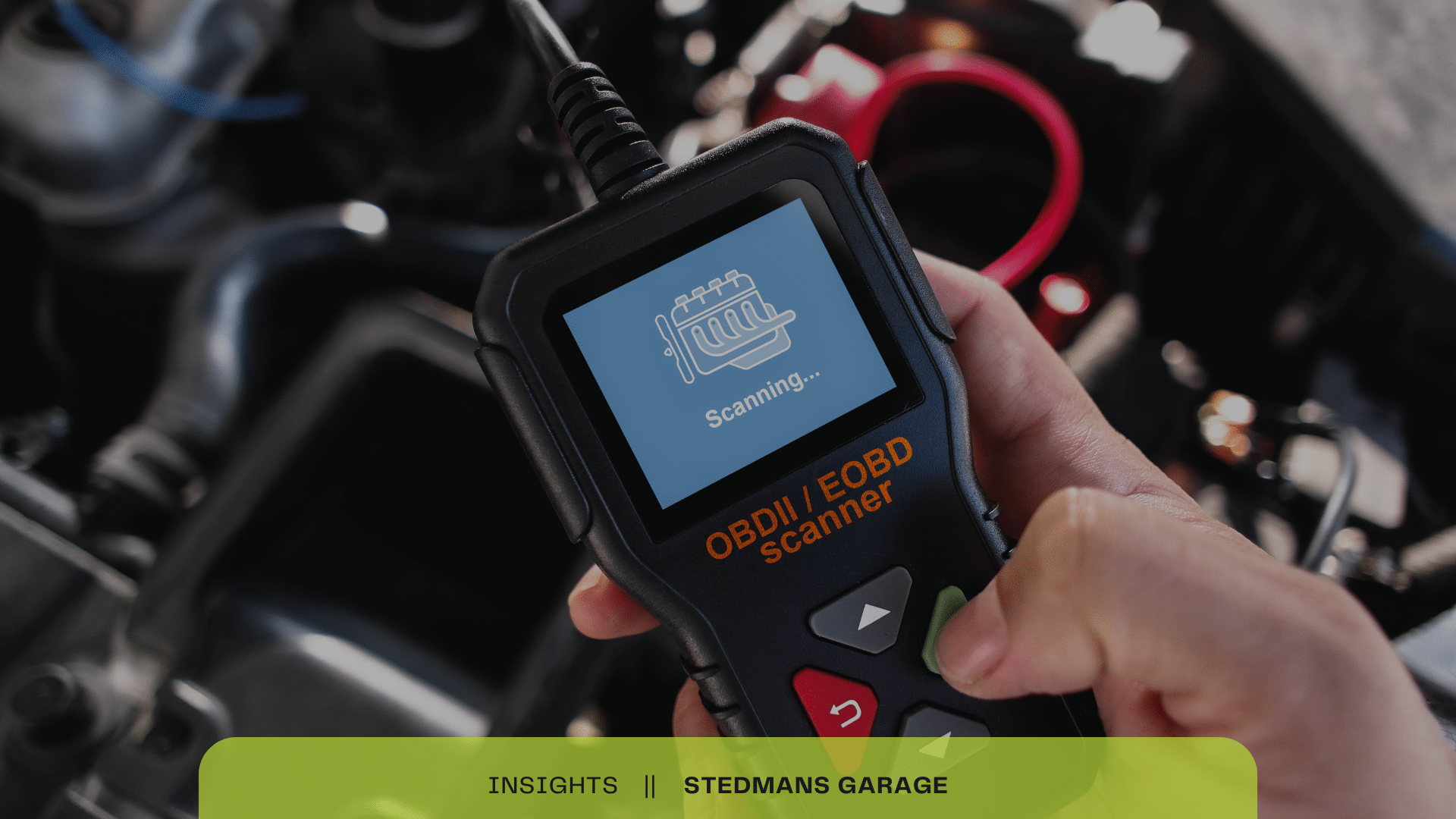
The first step in diagnosing the P0137 fault code is to connect an OBD-II scanner to the vehicle’s diagnostic port. This tool retrieves the fault code and provides valuable information about the current state of the vehicle’s engine management system.
Step 2: Visual Inspection
Following the retrieval of the fault code, technicians conduct a thorough visual inspection of the oxygen sensor and its associated wiring. This includes checking for signs of damage, corrosion, or loose connections that could be contributing to the fault.
Step 3: Testing the Oxygen Sensor
If the visual inspection does not reveal any obvious issues, technicians will typically perform tests on the oxygen sensor itself. This may involve using a multimeter to check the voltage output of the sensor to determine if it is functioning correctly.
Step 4: Inspecting Related Components
If the oxygen sensor appears to be functioning correctly, the technician will then inspect related components such as the exhaust system for leaks and the engine management system for any potential faults that could be affecting sensor performance.
Step 5: Clearing Codes and Retesting
After repairs or adjustments have been made, the technician will clear the fault codes from the ECU and conduct a test drive to ensure that the P0137 fault code does not reappear.
This systematic approach allows technicians to effectively diagnose and address the P0137 fault code, ensuring that VAG vehicles are running optimally and efficiently.
Repairing the P0137 Fault Code
Addressing the P0137 fault code requires a targeted approach to repair, focusing on the identified issues during the diagnostic process. Below are the common repair strategies for tackling this fault code:
1. Replacing the Faulty Oxygen Sensor
If diagnostics reveal that the oxygen sensor (bank 1 sensor 2) is faulty, the most effective solution is to replace it. When replacing the sensor, it is crucial to use a high-quality OEM (Original Equipment Manufacturer) part that is compatible with VAG vehicles.
Considerations:
- Ensure the vehicle is cool before attempting to replace the sensor to avoid burns.
- Disconnect the battery to prevent electrical shorts.
- Follow the manufacturer’s guidelines for sensor installation, ensuring all connections are secure.
2. Repairing Wiring Issues
If wiring problems are identified, technicians will need to repair or replace damaged wiring harnesses or connectors. This may involve soldering wires, replacing connectors, or rerouting wires to avoid heat exposure.
3. Fixing Exhaust Leaks
If an exhaust leak is detected, it must be repaired to ensure accurate readings from the oxygen sensor. This may involve replacing gaskets, welding cracks, or replacing sections of the exhaust pipe.
4. Addressing Engine Management System Faults
In cases where the ECU is found to be at fault, technicians may need to perform software updates or replace the ECU if necessary. Ensuring the engine management system is functioning correctly is vital for overall vehicle performance.
By following through with these repair strategies, technicians can effectively address the P0137 fault code and restore the vehicle’s performance.
Preventative Measures to Avoid the P0137 Fault Code
Preventative measures play a crucial role in mitigating the risk of encountering the P0137 fault code. Vehicle owners can take several proactive steps to enhance the longevity and performance of their VAG vehicles.
1. Regular Maintenance Checks
Regular maintenance checks, including inspections of the exhaust system and oxygen sensors, can help identify potential issues before they escalate. Schedule periodic inspections with a qualified technician to ensure all components are functioning correctly.
2. Keeping the Engine Clean
Maintaining a clean engine helps prevent contamination of the oxygen sensors. Regularly check and replace air filters, and keep the engine bay free from debris and oil leaks that could affect sensor performance.
3. Monitoring for Leaks
Stay vigilant for any signs of exhaust leaks, as these can directly impact the readings from the oxygen sensors. Addressing leaks promptly can prevent further complications.
4. Quality Fuel Usage
Using high-quality fuel can reduce the likelihood of sensor contamination. Avoid fuels with high levels of ethanol or other additives that may affect combustion and sensor performance.
5. Educating Yourself About Your Vehicle
Understanding the specific needs and components of your VAG vehicle can empower you as a vehicle owner. Familiarise yourself with the location and function of key components like oxygen sensors and engine management systems.
By adopting these preventative measures, vehicle owners can reduce the likelihood of encountering the P0137 fault code and enhance the overall performance of their VAG vehicles.
The Importance of Addressing Fault Codes Promptly
Ignoring fault codes such as P0137 can have serious long-term implications for vehicle performance and health. It’s vital to address these codes as soon as they are detected for several reasons:
1. Decreased Vehicle Performance
A malfunctioning oxygen sensor can lead to poor fuel combustion, resulting in decreased engine performance, sluggish acceleration, and overall inefficiency.
2. Increased Emissions
Failing to rectify the P0137 fault code can lead to increased emissions, which not only affects the vehicle’s environmental impact but can also result in failing emissions tests.
3. Potential Damage to the Engine
Continued operation with a faulty oxygen sensor may lead to more severe engine problems over time, including damage to the catalytic converter and other related components.
4. Costly Repairs
Addressing the P0137 fault code promptly can save vehicle owners from costly repairs down the line. Waiting until symptoms worsen can lead to more extensive damage and higher repair costs.
In summary, the importance of promptly addressing fault codes like P0137 cannot be overstated. Vehicle owners should remain vigilant and proactive in maintaining their VAG vehicles to ensure optimal performance and compliance with emissions standards.
Conclusion
Understanding the P0137 fault code is essential for VAG vehicle owners and automotive technicians alike. This code, indicating an issue with the oxygen sensor in the engine management system, can have significant implications for fuel efficiency, emissions control, and overall vehicle performance. By recognising the symptoms, diagnosing the causes, and implementing effective repair and preventative measures, vehicle owners can maintain their vehicles in peak condition. Stay proactive and vigilant about your vehicle’s health, and do not hesitate to seek professional assistance when necessary. Addressing fault codes like P0137 promptly will ensure a smoother driving experience and extend the life of your VAG vehicle.